National Conference

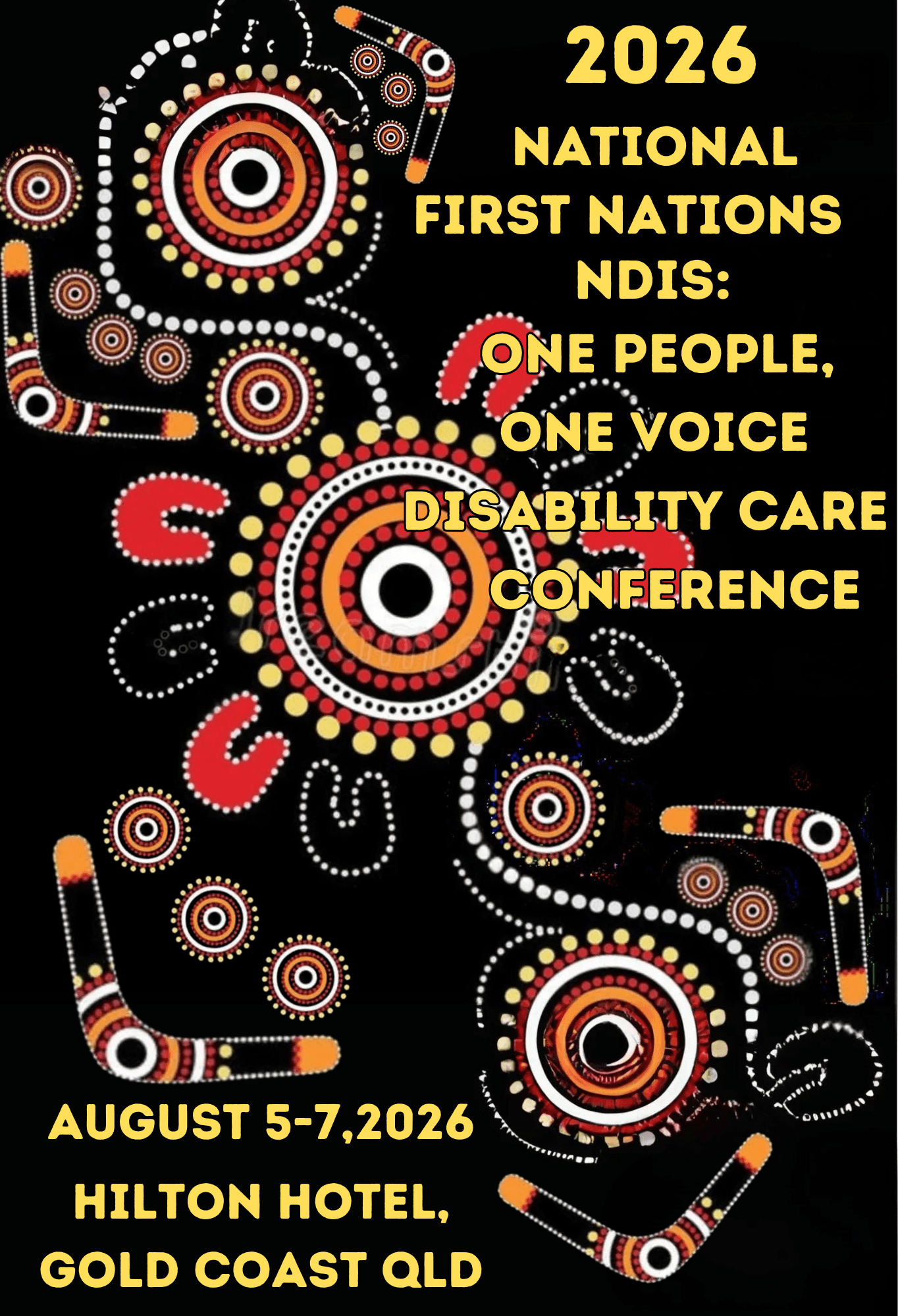
2026 National First Nations NDIS: One People, One Voice Disability Care Conference


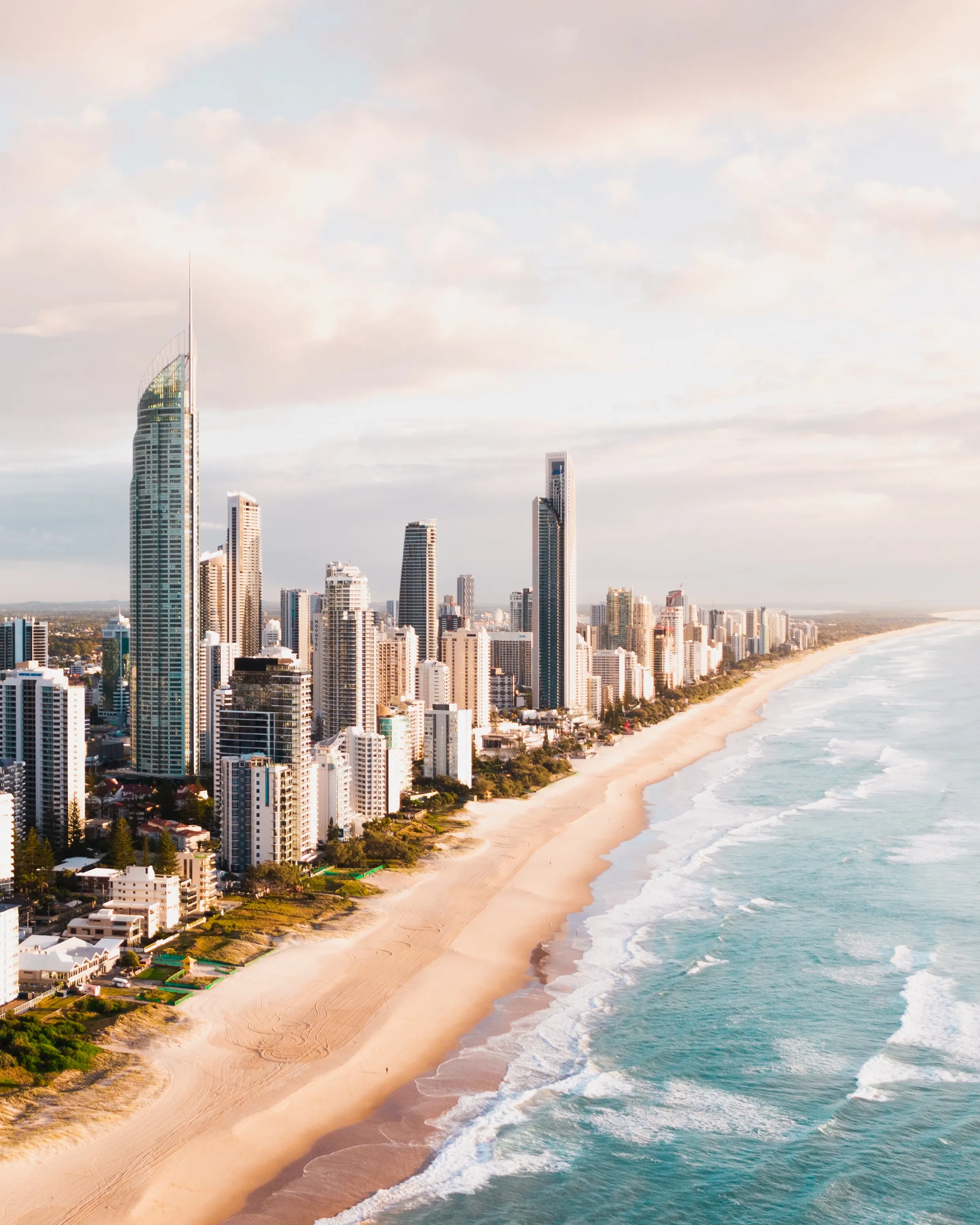
05- 07 August 2026Hilton Hotel, Gold Coast QLD
View Event Details
Skip to event content
Date
Aug 5 - Aug 7, 2026
Venue
Hilton Hotel, Gold Coast QLD
Call for Papers
Open
Accepting submissions

Acknowledgement to Country

In Australia, protocol requires us to recognise the Traditional Owners of the land on which we gather. All presentations must therefore begin with an acknowledgement to Country and to local Traditional Elders: "We wish to acknowledge and respect the traditional custodians whose ancestral lands we meet upon. We acknowledge the deep feelings of attachment and relationship of Aboriginal peoples to Country. We also pay respects to the cultural authority of Aboriginal peoples visiting or attending from other areas of Australia who are present here." Indigenous Conference Services acknowledges and pays respect to the Traditional people of the Country. "Welcome to Country" ceremonies and "acknowledging the traditional custodians" of the land demonstrates respect for Aboriginal people as Australia's First Peoples. Ceremonies and protocols form a fundamental part of Aboriginal cultures.

THE CONFERENCE

The 2026 National First Nations NDIS: One People, One Voice Disability Care Conference is scheduled to take place at the Hilton Hotel on the Gold Coast Queensland on August 5 - 7, 2026. This year's conference aims to unite First Nations communities, healthcare professionals, and NDIS service providers and is dedicated to empowering Aboriginal and Torres Strait Islander peoples living with disability and strengthening the delivery of culturally safe, inclusive care. This conference unites First Nations leaders, NDIS providers, advocates, and policymakers to share knowledge, innovation, and community-driven solutions that place culture and connection at the heart of disability support. It is a space for truth-telling, collaboration, and action where voices are heard, partnerships are built, and meaningful change is inspired. More than just an event, this conference is a movement towards equity, self-determination, and healing ensuring every First Nations person living with disability is supported to live strong in culture, confident in identity, and empowered in community. 

Throughout the conference, participants will engage in culturally respectful dialogues, share traditional knowledge, and explore contemporary practices to address the unique challenges faced by First Nations peoples in the disability care sector. The event will feature a diverse range of speakers, including Elders, healthcare experts, and community leaders, all contributing their insights to foster a holistic approach to disability care. By bringing together a wide array of stakeholders, the conference seeks to empower First Nations communities, promote self-determination, and ensure that NDIS disability care services are both culturally appropriate and effective. This gathering represents a collective commitment to upholding the rights and dignity of First Nations individuals, reinforcing the principle of "One People, One Voice" in the pursuit of equitable and inclusive health and disability care services.

THE CONFERENCE PHILOSOPHY & AIMS

This year's conference themes focus on ensuring that the NDIS is accessible, respectful, responsive and calls for a powerful reimagining of how disability care is delivered, understood, and led across Aboriginal and Torres Strait Islander communities. Guided by the themes below, the conference unites First Nations leaders, NDIS providers, advocates, carers, and policymakers to place culture, respect, and self-determination at the centre of disability support. It recognises that true inclusion begins when care reflects identity, culture, and connection to Country. This gathering is more than a conference—it’s a movement towards equity, healing, and culturally grounded care for all First Nations peoples living with disability. The 2026 conference will focus on three interconnected themes:

  • Strength in Culture – Empowering First Nations Voices

    • Culture is central to healing, identity, and empowerment. This theme highlights the importance of embedding cultural knowledge and lived experience in every aspect of disability care, ensuring support that honours Country, community, and connection.

  • Building Culturally Safe and Inclusive Systems

    • This theme focuses on creating NDIS frameworks and services that are not only accessible but culturally safe and inclusive. It calls for stronger partnerships, workforce development, and accountability that reflect respect, trust, and understanding.

  • Pathways to Empowerment – Innovation and Community-Led Change

    • Real progress happens when communities lead. This theme promotes Indigenous leadership, innovation, and self-determination as the foundation for lasting change—ensuring every First Nations person with disability can live with dignity, pride, and independence.

THE CONFERENCE OBJECTIVES

The overarching conference objective is to empower Aboriginal and Torres Strait Islander peoples living with disability by creating a culturally safe, inclusive, and action-driven platform for dialogue, collaboration, and change. This conference seeks to bridge gaps between policy and practice, amplify First Nations voices, and ensure that disability care is guided by culture, community, and self-determination—not bureaucracy.

  • Provide a culturally safe platform for open, respectful dialogue on the challenges and successes of delivering disability care for First Nations peoples.

  • Amplify the voices of lived experience, ensuring that First Nations people with disability, their families, and carers lead conversations about the design and delivery of support services.

  • Highlight community-led initiatives that strengthen inclusion, accessibility, and independence while reflecting Indigenous values, language, and connection to Country.

  • Support NDIS providers, disability workers, and community organisations to embed cultural safety and respect into everyday practice and service design.

  • Foster collaboration between governments, NDIS agencies, community-controlled organisations, and advocacy groups to drive culturally responsive reform.

  • Promote Indigenous leadership and workforce development within the disability and care sectors, empowering First Nations professionals to lead change from within.

  • Encourage knowledge sharing and innovation, showcasing success stories, research, and emerging models that prioritise holistic wellbeing and cultural identity.

  • Address systemic barriers and inequities through honest discussion, policy advocacy, and shared accountability.

  • Provide professional learning and development opportunities that enhance participants’ skills, confidence, and cultural capability.

  • Celebrate resilience, culture, and community strength, recognising that the path to equity begins with honouring identity and empowering self-determination.

This year’s conference is a collective commitment to reimagining disability care through the lens of culture, compassion, and community. Together, we walk toward a future where every First Nations person living with disability is supported to live well, live strong, and live proud.

WHO SHOULD ATTEND

The conference is open to everyone dedicated to improving disability care, inclusion, and cultural safety across Australia. It brings together First Nations people with disability, their families, carers, community leaders, Elders, and Traditional Owners who are passionate about creating meaningful change. The conference also welcomes NDIS providers, health and allied health professionals, mental health practitioners, policy makers, educators, researchers, and government representatives committed to building culturally safe and responsive systems. It is an essential gathering for community organisations, advocates, and emerging leaders seeking to strengthen partnerships, share knowledge, and drive reform within the disability sector. Whether you work in service delivery, policy, education, or advocacy, this conference offers a powerful space to connect, learn, and collaborate toward a future where every First Nations person living with disability is empowered to live strong, independent, and proud—grounded in culture, community, and belonging.
Why Attend

This conference offers delegates a unique opportunity to participate in a positive environment dedicated to sharing information and empowering all attendees. In our everyday working environment, the daily pressures of our roles often limit our capacity to expand knowledge and build networks. Whether working at community or governmental level, opportunities to network and establish contacts beyond your local region can be limited. This conference addresses that challenge, providing valuable connections and insights that extend well beyond your immediate professional circle.

Guest Speakers

This event features an impressive array of guest speakers who share stories, successes, and challenges they've overcome, offering inspiration and opportunities for delegates to engage with Culture, Empowerment, Education, and Networking. Drawn from diverse cultural backgrounds, professional careers, and grassroots community commitments, this year's speakers transform an ordinary event into an extraordinary one. Their contributions create lasting impact, ensuring the conference remains a source of tremendous benefit and memorable insights long after it concludes.

Our Speakers

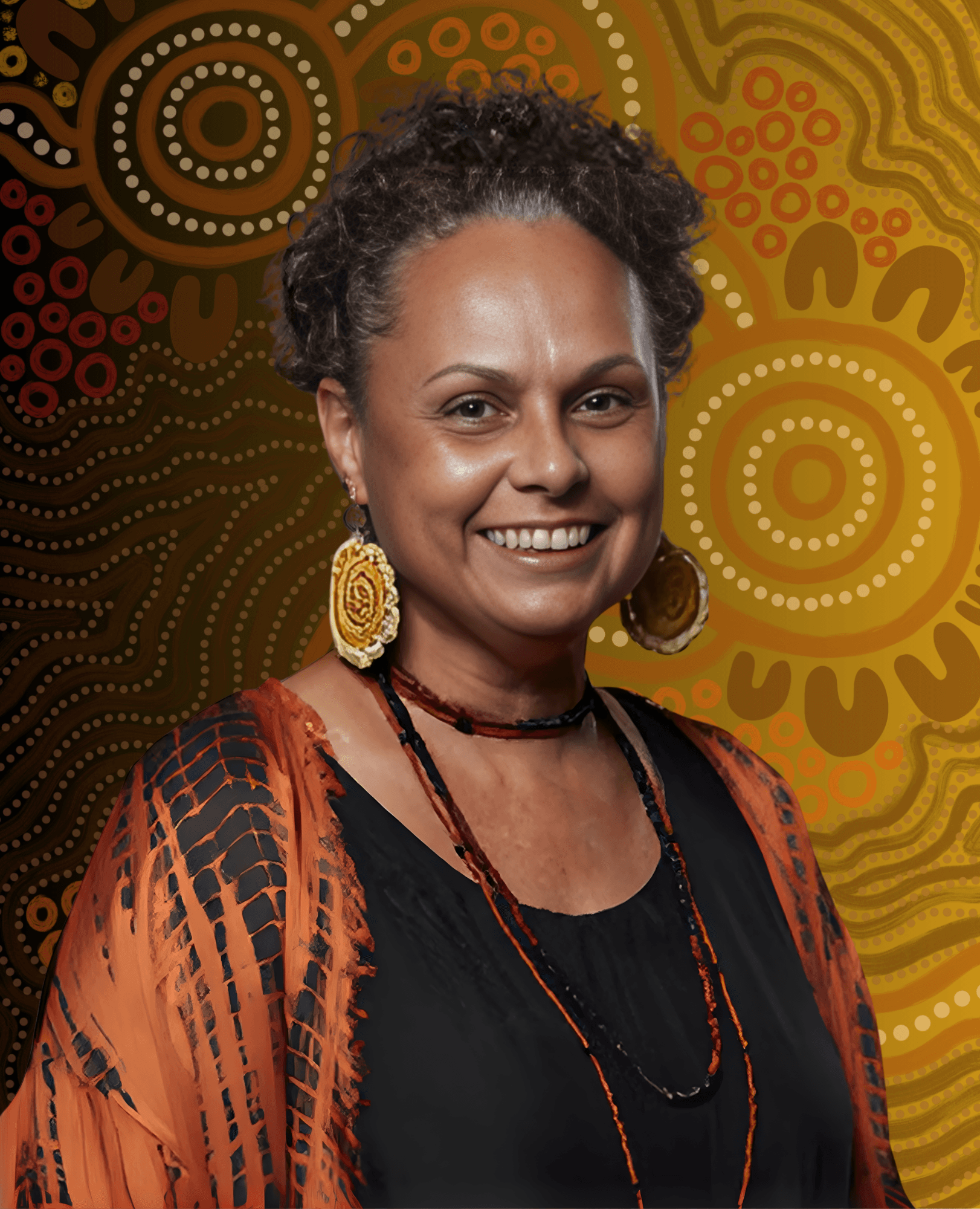
Joedie Saunders

Joedie Saunders

Artist, Advocate, Proud Biripi Woman
Indigenous Conference Services

Joedie Saunders a local Biripi woman and artist, has been creating contemporary Aboriginal art for over 30 years. Her artworks deeply reflect her culture, stories of her country, and a range of emotions and feelings. Joedie is passionate about sharing her art and loves seeing the connections others make with her creations.

As a proud Biripi woman, she draw strength from her roots – a lineage of resilient mountain women, the Wimara, known for their strength and wisdom. Joedie worked tirelessly in juvenile justice and child protection, confronting the harsh realities of sexual abuse in remote communities.Transitioning into cultural heritage conservation, she spent years advocating for our land and traditions, eventually becoming the first woman CEO of the Land Council in Taree. Currently, she works as Manager of Community Engagement & Investment at the Department of Premier & Cabinet and felt privileged to continue the work of her late brother, advocating for the revival and preservation of Aboriginal languages statewide. It's a tribute to his legacy and our shared dream of cultural preservation. Joedie stated, 'In everything I do, I pay homage to my family, my community, our culture, and our land. Together, let's walk forward, honoring the past and shaping a brighter future'. Joedie is a mother of two beautiful boys.


Aunty Bernice Hookey

Aunty Bernice Hookey

Founder and CEO
MZB Empowerment

Bernice Hookey’s family lineage traces back to the Waanyi people from the Lower Gulf of Carpentaria, Queensland. She embodies courage despite the fear that occasionally arises. As a solo mother, aunty, sister, cousin, colleague, and friend, she is deeply passionate about challenging the status quo.

An accomplished Lead Facilitator for an Indigenous National Women’s Empowerment program via Tranby, Bernice is also the Founder of MZB Empowerment. She is widely recognized as a Changemaker, Difference Maker, and Cycle Breaker, as well as a published author, mentor, and multi-award winner. Her achievements include being a finalist for national and international awards that celebrate Indigenous Excellence and Leadership.

Bernice has overcome challenges related to disempowerment, feelings of unworthiness, and well-being depreciation, navigating limited opportunities and barriers to self-expression within cultural spaces. Through experiential learning, she has lived these realities firsthand and continues to thrive.

As both a participant and now a Fellow of a globally recognized top 10 leadership program, Bernice has developed invaluable leadership skills that have strengthened her confidence. These skills, combined with her grassroots-led leadership approach, drive her mission to advance generational equity. Above all, she remains a steadfast cheerleader for families and communities, inspiring those around her with her unwavering dedication and vision.


Professor John Gilroy

Professor John Gilroy

Professor
The University of Sydney

Professor John Gilroy is an Indigenous scholar and leader in disability and health research at the University of Sydney’s Faculty of Medicine and Health. He is the first Aboriginal person with disability to lead Aboriginal disability research at a scholarly level and is recognized globally as the most published researcher in this field. His work has significantly influenced national policy, including the development of the National Disability Insurance Scheme (NDIS), and he has secured over $10 million in research funding as Chief Investigator.

In addition to his academic contributions, Professor Gilroy is deeply engaged in community service and cultural advocacy. He recently curated an art exhibition highlighting people’s experiences of the NDIS, launched alongside the first International Indigenous Disability Research Symposium. His career bridges rigorous scholarship, lived experience, and creative expression, making him a respected voice in both academic and grassroots contexts


Elsie Randall

Elsie Randall

Yaegl/Bundjalung Elde & co-founder
Justiz Community

Elsie Randall is a respected Yaegl/Bundjalung Elder and co-founder of the Justiz Community, an initiative dedicated to strengthening Indigenous voices and fostering cultural safety in community advocacy. With decades of experience in grassroots leadership, she has worked tirelessly to ensure that Indigenous perspectives are central to conversations about justice, health, and social equity. Her guidance as an Elder reflects deep cultural knowledge and a commitment to empowering younger generations through mentorship and community engagement.

As a co‑founder of the Justiz Community, Elsie has played a pivotal role in building platforms that amplify Indigenous leadership and lived experience. Her work bridges traditional wisdom with contemporary advocacy, creating spaces where cultural protocols are respected and Indigenous authority is upheld. She continues to inspire through her dedication to truth‑telling, resilience, and the strengthening of community networks across Bundjalung and Yaegl Country.


Vanessa Langenberg

Vanessa Langenberg

Research and Community Impact Team Lead
Independent Living Assessment (iLA)

Vanessa Langenberg Research and Community Impact Team Lead, from the national not-for-profit Independent Living Assessment (iLA). Vanessa leads iLA’s work with unique communities, drawing on expertise in assistive technology (AT) and reablement, inclusive research and communications. She is passionate about collaborating with these communities to rethink and improve mainstream programs, ensuring benefits are returned. Vanessa’s national research with older Aboriginal and Torres Strait Islander peoples and Aboriginal community-controlled organisations, received the Assistive Technology Service Award 2024 from Australian Rehabilitation and Assistive Technology Association (ARATA)


Shane Hearn

Shane Hearn

Associate Dean
Bond University

Professor Shane Hearn is a direct descendant of the Whadjuk, Ballardong, Noongar people, and is the Associate Dean, First Nations Health, Faculty of Health Sciences and Medicine, Bond University. Shane is a highly experienced leader in First Nations health, education, and community engagement. He brings over 25 years of expertise in designing, implementing, and evaluating culturally safe programs, research initiatives, and policy frameworks across health, education, and not-for-profit sectors, with a focus on co-designed, inclusive approaches. Shane has led national-level campaigns, developed strategies for First Nations participation, and successfully guided multi-sector collaborations to deliver measurable outcomes for diverse communities.


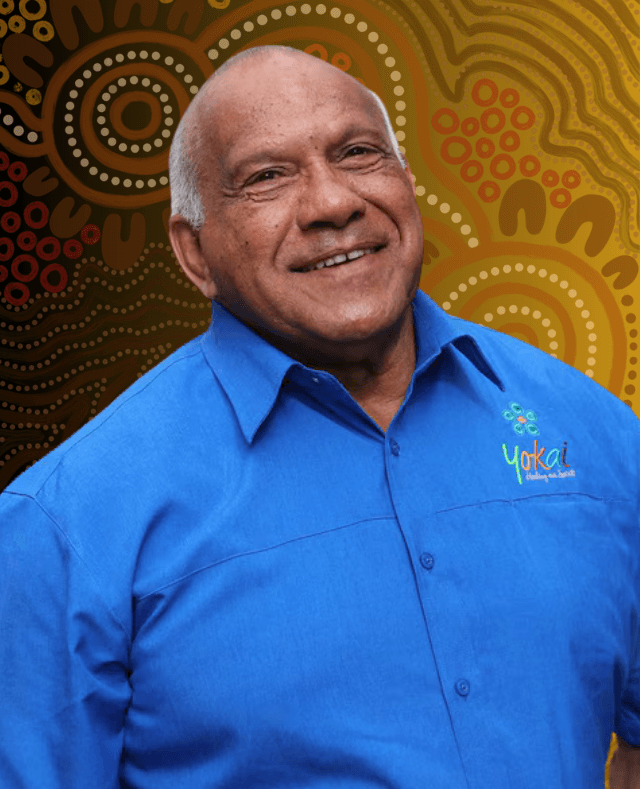
 Uncle James Morrison

Uncle James Morrison

Chairperson
Yokai – WA Stolen Generations Aboriginal Corporation

Uncle James Morrison is one of the Aboriginal men who survived the Kinchela Boys Home in Kempsey, New South Wales, an institution that operated from 1924 to 1970 and was notorious for forcibly removing Aboriginal boys from their families. Like many survivors, Uncle James endured harsh conditions, cultural disconnection, and systemic abuse, experiences that profoundly shaped his life and identity. Despite these challenges, he has remained committed to sharing his story as part of the broader truth-telling movement in Australia, ensuring that the realities of the Stolen Generations are acknowledged and remembered.

Today, Uncle James Morrison is actively involved with the Kinchela Boys Home Aboriginal Corporation (KBHAC), which is dedicated to supporting survivors and their descendants. Through KBHAC, he contributes to healing initiatives, community education, and advocacy for culturally safe practices in health and aged care. His testimony helps transform the former site of trauma into a place of remembrance and healing, reinforcing the importance of truth-telling in reconciliation. Uncle James’s life stands as a testament to resilience, cultural strength, and the ongoing fight for justice and recognition for Aboriginal peoples.


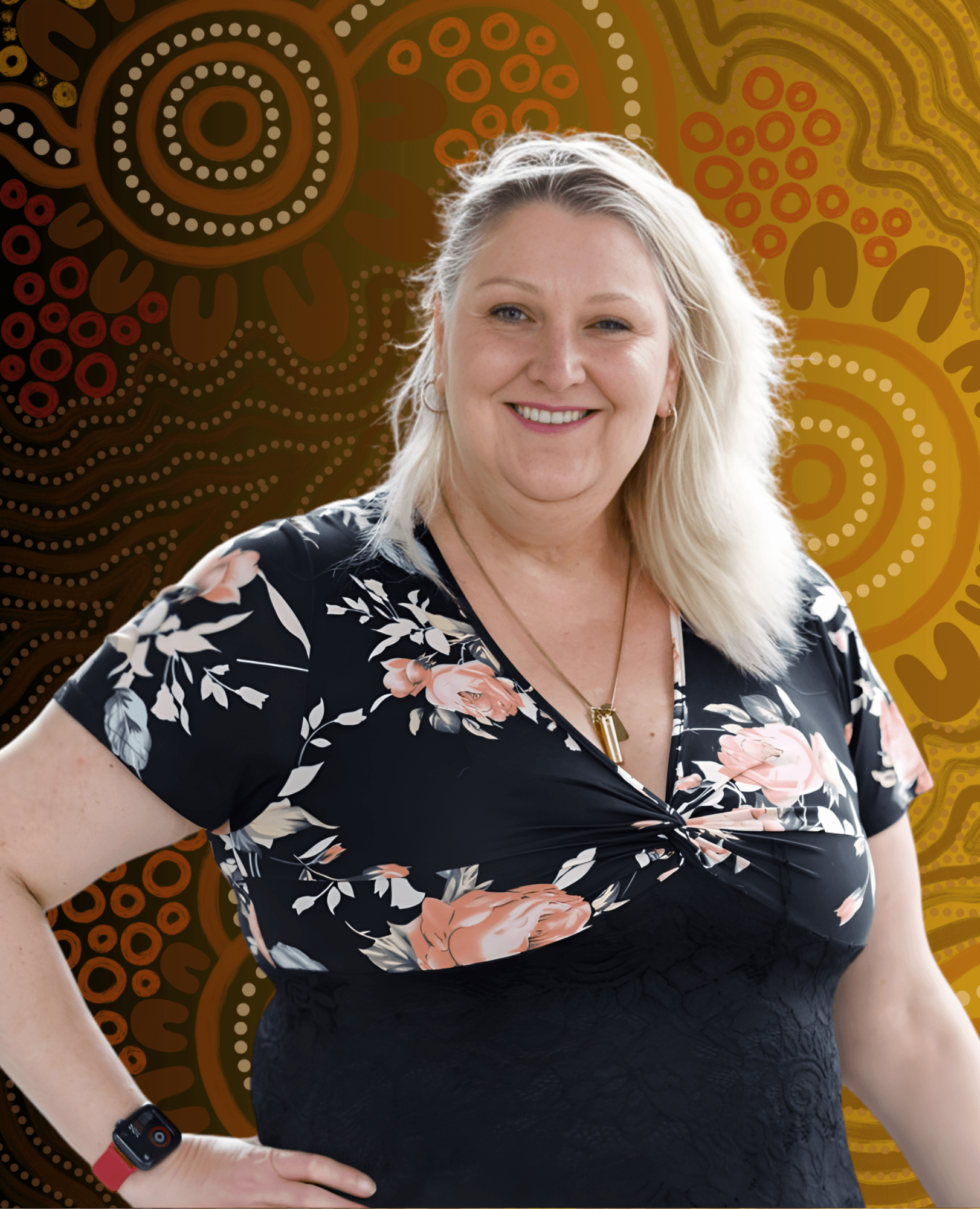
Suzy Trindall

Suzy Trindall

Lived Experience Consultant & Peer Training Coordinator
Community Disability Alliance Hunter (CDAH)

Suzy Trindall is a proud Gadigal woman and a respected advocate for disability inclusion. She currently serves as Peer Group Coordinator at the Community Disability Alliance Hunter (CDAH), where she supports peer mentoring, training, and lived experience leadership. Suzy is also a Senior Lived Experience Consultant, bringing an intersectional lens to her work and ensuring that First Nations voices are represented in disability advocacy. Her contributions extend nationally, having served on the First Nations Advisory Council, the First Nations Strategy Working Group, and the Equity and Inclusion Reference Group with the National Disability Insurance Agency.

Suzy’s career reflects both professional achievement and community impact. She previously worked with Vision Australia, where she was awarded the Gili Award for Trainee of the Year in 2013. Today, she continues to champion equity and cultural safety, drawing on her lived experience to influence policy and practice across Australia. Her leadership in disability advocacy makes her a powerful voice for inclusion and a valued contributor to national conversations on justice and accessibility.


Jody Barney

Jody Barney

Deaf Indigenous Consultant
Deaf Indigenous Community Pty Ltd (DICC)

Jody Barney (Birri-Gubba/Urangan) (she/her) A leading Aboriginal disability communications consultant, Jody Barney has over 35 years’ experience advocating for First Nations Deaf and disabled communities. Jody’s work centres on improving access and equity through Aboriginal and Torres Strait Islander cultural sign languages and culturally safe support within all levels of services including the NDIS. She is a Churchill Fellow, Victorian Honour Roll for Women inductee, and recipient of multiple national awards for advocacy and leadership. Jody is passionate about empowering First Nations people with disability to thrive in their communities.


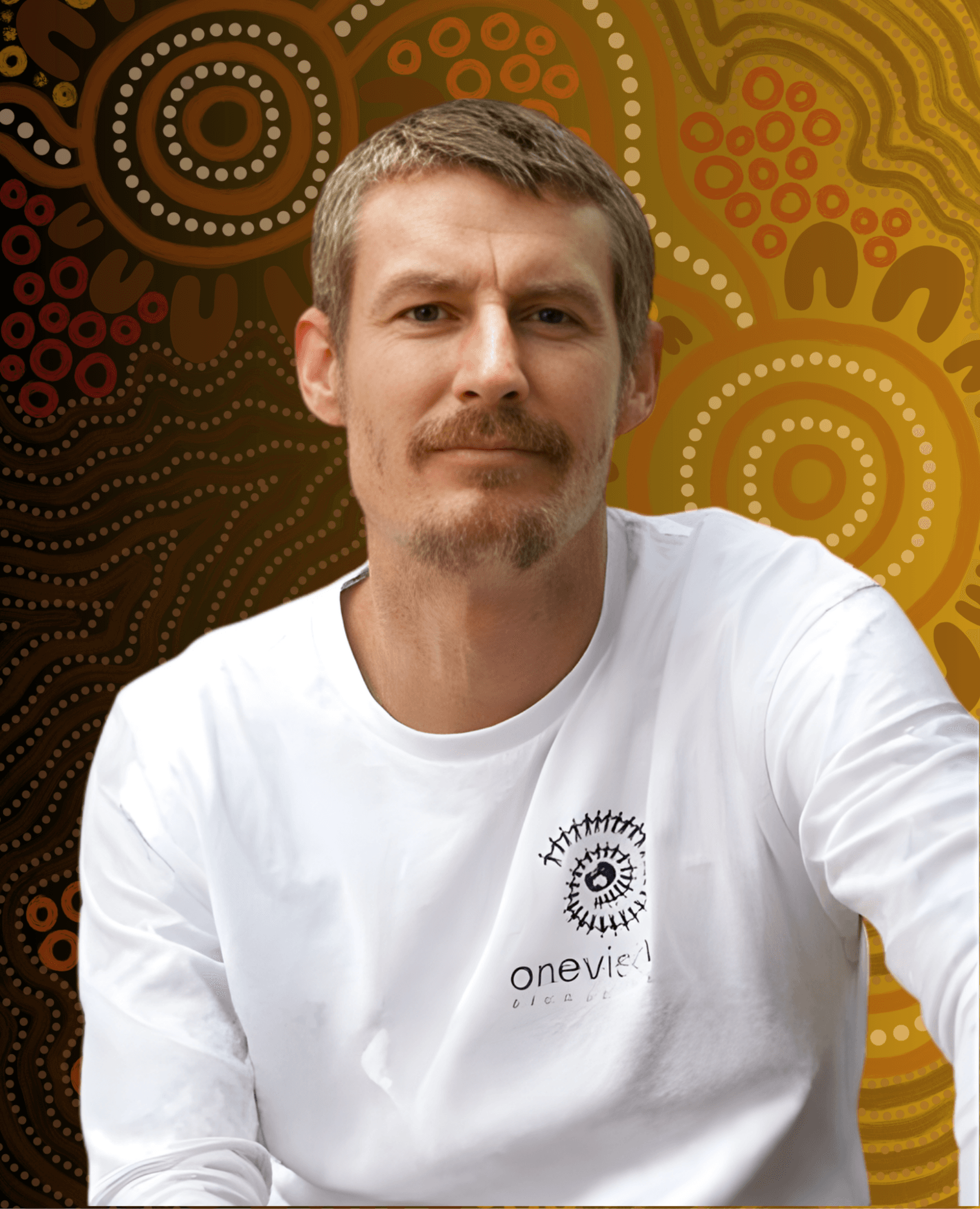
Mark Robertson

Mark Robertson

Founding Director
MPOWER & One Vision Productions NSW

Mark Robertson is the founder and director of One Vision Productions, a not‑for‑profit organisation based on Bundjalung Country in Byron Bay. For more than 17 years, he has led programs that combine music, film, and creative arts to support youth wellness and Indigenous education. Through One Vision, Mark has empowered over 12,000 isolated and at‑risk young people across Australia, providing evidence‑based mental health tools, mentoring services, and pathways to education and career opportunities. His work reflects a deep commitment to cultural safety, resilience, and the transformative power of creativity.

He is also the creator of MPOWER, an online personal empowerment toolkit designed to strengthen mental health and wellbeing. Developed in collaboration with high‑profile ambassadors such as Chris Hemsworth, Damon Gameau, and Baker Boy, MPOWER offers digital content that blends ancient wisdom with modern strategies for self‑growth. Mark’s leadership bridges grassroots community engagement with innovative digital platforms, making him a respected advocate for youth empowerment and Indigenous health.


Maria Liza Edubas-Callaghan

Maria Liza Edubas-Callaghan

Managing Director
ICS Australia Pty Ltd

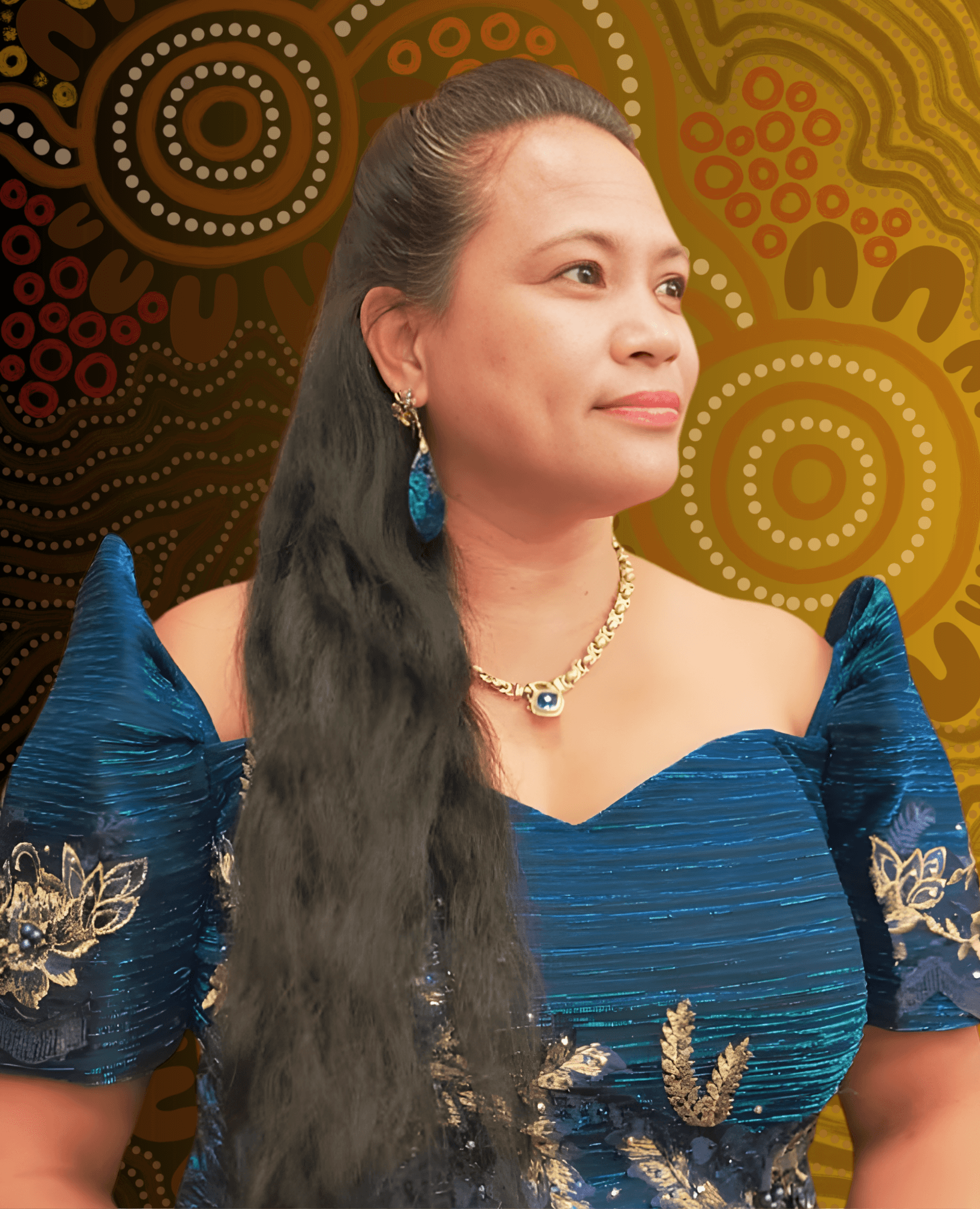
Maria Callaghan is a nurse-midwife and a proud descendant of the Bol-anon tribe from her mother’s side and the mountain-dwelling Higaonon tribe from her father’s heritage. She completed her Australian Migration Law degree at Australian Catholic University. With over three centuries of Spanish rule and occupation of the Philippines, Maria knows too well the long-term effect of colonization the most devastating consequences for her people were the loss of cultural identity as her ancestors were chronically stripped of their unique traditions and languages from forced assimilation, coercion into adopting Spanish culture, Catholicism and cultural suppression that led to significant disconnect with their ancestral roots. The encomienda system, which granted Spanish colonizers control over Indigenous labour subjected her ancestors to brutal working conditions often without fair compensation and exploited their country's resources which continues to shape the social, economic, and cultural dynamics of the Philippines today. Maria has more than 20 years of experience in nursing and midwifery, health management, workforce development, event management, law and business. She’s passionate about building compassionate communities and has trained more than six hundred compassionate community connectors to date from Weipa in the Cape & Torres to Birtinya in Sunshine Coast where mobilised community connectors are making a difference and supporting families in communities one at a time. 


Dr Joseph B. Stone, PhD

Dr Joseph B. Stone, PhD

Clinical Psychologist
Indigenous Development Specialists – USA

Dr Joseph B Stone, PhD, is an Anaskapi-Pikuni Ceremonialist and Traditionalist and member of the OKKAN (Sundance), the Beaver Lodge, and the Last Star Thunder Medicine Pipe. He is retired from providing direct clinical services and now specializes in consultation, program development, and education to Indigenous communities and agencies. His prior clinical experiences include work at Taiwhenua o Heretaunga – a Kaupapa Mauri Health Provider, and Awhina Whanau Services located in Hawkes Bay, New Zealand. He was instrumental in the development and subsequent operation of the Te Pae Tawhiti Trust -Whaiora Ara Tapu (TPTT WAT) Healing Journey to Wellness Methamphetamine Assessment and Treatment Program in Wairoa, New Zealand. Previously, he spent six years as Department Head and Chief of Services at the Gallup Indian Medical Center, the largest US indigenous behavioral health service located in New Mexico USA. He has extensive clinical experience with adult and juvenile prisoners in the corrections systems in the USA and New Zealand. He is affiliated with the National Centre on Trauma and Project Making Medicine – Indian Health Services Assessment and Treatment of Child Abuse at Oklahoma State University. He has presented to the US Senate Select Committee in Indian Affairs. He has extensive international experience providing presentations and consultations, and publications including articles on trauma, suicide, and other cultural and behavioral issues.


Dr Amber Logan

Dr Amber Logan

Health Psychologist
Indigenous Development Specialists NZ

Dr. Amber R. Logan is a traditional Kahungunu Māori wahine, a New Zealand Health Psychologist and Doctoral Fellow in Public Health at Otago University. She teaches health psychology course work at the University of Auckland & Otago University and is well-known in New Zealand for her work in methamphetamine education and community activism. She is a consummate grant writer, health services evaluator and health services program designer. She has presented extensively in Australia, Canada, and the USA at Harvard University, the University of Washington, and to the US Federal Government.


Uncle Thomas Callaghan

Uncle Thomas Callaghan

Chief Executive Officer & Secretary
ICS Australia and ATSIDNQ Aboriginal & Torres Straits Islander Corporation

Uncle Thomas Callaghan is a proud Koori man and descendant hailed from Biripi country (Taree) and Kempsey Dunghutti country in New South Wales. He grew up on Old Burnt Bridge Aboriginal Mission, just 8km west of Kempsey NSW and until his late teenage years. As a young adult, Tom returned to his grandmother's and family home traditional of the Biripi people where he lived on Purfleet Aboriginal Mission just 9Km South of Taree NSW. Today, he is the oldest living grandchild of Thomas Benjamin Callaghan, late of Bellbrook West of Kempsey and grandmother, Cinderella Callaghan (Richie) late of Purfleet south of Taree NSW. Over the years, Thomas established Aboriginal Medical Services, owned varied business enterprises, worked as professional fisherman, professional motorbike racer, Prime Minister Keating's team member and worked at UNHCR setting up refugee settlement camps across the Africas and the Middle East.


Uncle Warren Martens

Uncle Warren Martens

Chairperson
Aboriginal and Torres Straits Islander Disability Network of Queensland (ATSIDNQ) Corporation

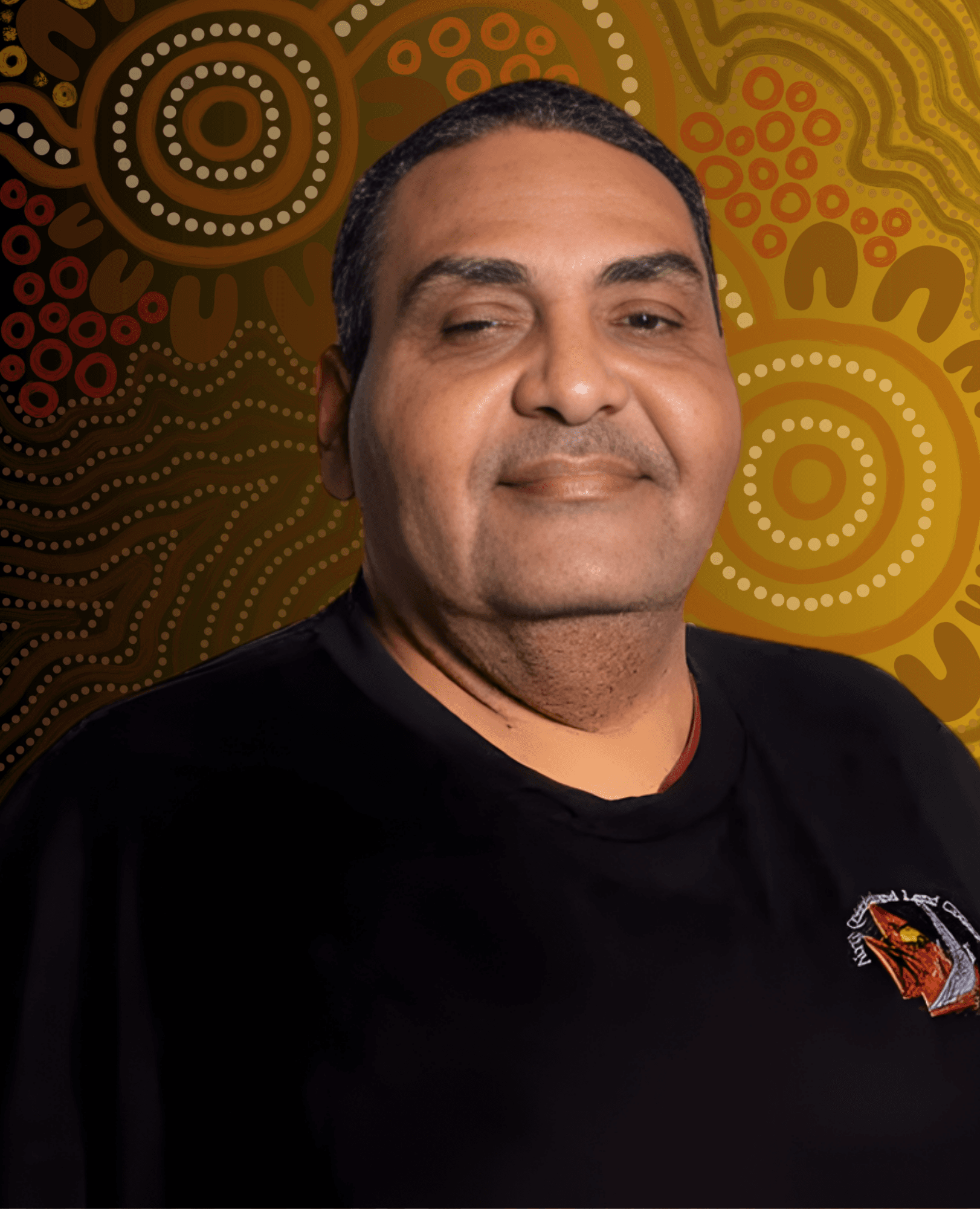
Uncle Warren Martens is currently serving as the chairperson for the newly established Aboriginal and Torres Strait Islander Disability Network of Queensland (ATSIDNQ) Aboriginal & Torres Straits Islander Corporation. ATSIDNQ is a network of Aboriginal and Torres Strait Islander people living with a disability, their families and carers established to raise awareness of the cultural and social needs of Aboriginal and Torres Strait Islander people living with a disability. The network provides opportunities to connect with others and supports a collective voice for members living with a disability. Warren also serves as board member for North Queensland Land Council amongst oother community-controlled organisations.


Francisco de Paula

Francisco de Paula

Director and Neuro-Behaviour
The Calmer Approach

Francisco de Paula is the Founder and Director of The CALMER® Approach Limited, an NDIS registered provider specialising in behaviour support, therapeutic supports and practitioner training. With over 25 years of experience in the disability sector, Francisco has worked across frontline practice, service development and practitioner training. The CALMER® Approach emerged through a process of knowledge translation, integrating insights from lived experience, neuroscience, behavioural science and frontline practice to bridge the gap between theory and practice in Positive Behaviour Support. Francisco focuses on supporting practitioners and organisations to develop neuro-affirming, co-designed therapeutic supports that strengthen quality of life and reduce restrictive practices. He has presented his work at conferences including the Australasian Society for Intellectual Disability, the Australian Association of Special Education and more.


Tina Powney

Tina Powney

Chief Executive Officer & Founder
Gallawah NDIS Disability Services

Tina's work directly helps NDIS participants who struggle to navigate complex systems, including those in or at risk of entering the criminal justice system, individuals with mental health conditions, and others facing barriers to mainstream services. By bridging gaps in disability support—especially in justice settings—she advocates for fairer treatment, independence, and access to resources. This includes empowering participants through goal-setting, skill-building, budget management, and coordination of multiple providers, while integrating informal supports like family and community networks


Eric Brown

Eric Brown

Chief Executive Officer and Founder at Natcha Management Pty Ltd
Chief Executive Officer and Founder at Ngabul Foundation Limited

Eric Brown is a descendant of the Dharawal, Bidjigal and Gundungurra people, a proud father to 5 boys, a social entrepreneur, adaptive athlete and dedicated advocate for Aboriginal young people in our communities. His vision is to build an integrated, culturally-led model of healing, mentoring, cultural connection and pathways for our young mob — one that not only supports young people but also nurtures a network of Aboriginal social enterprises creating change in their own communities.


Nicole Bloomfield

Nicole Bloomfield

Cultural Advisor
Gsllawah Disability services

Nicole is a proud Wiradjuri woman with exceptional leadership, community connections and change management skills. Her wide experience across local government, community health, education, Disability and sport sectors has enabled Nicole to hone her exceptional negotiating and influencing skills. Her expert knowledge of Aboriginal and Torres Strait Islander communities across Australia has been an invaluable asset including indigenous networks, RAP committees, advisory councils and project teams.


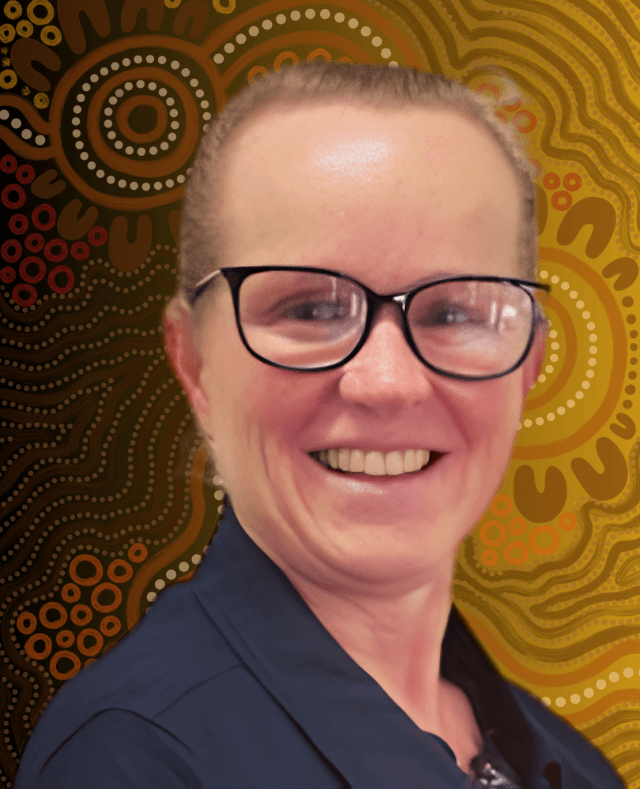
Dr Tess Bright

Dr Tess Bright

Senior Research Fellow in the Disability and Health Unit
The University of Melbourne

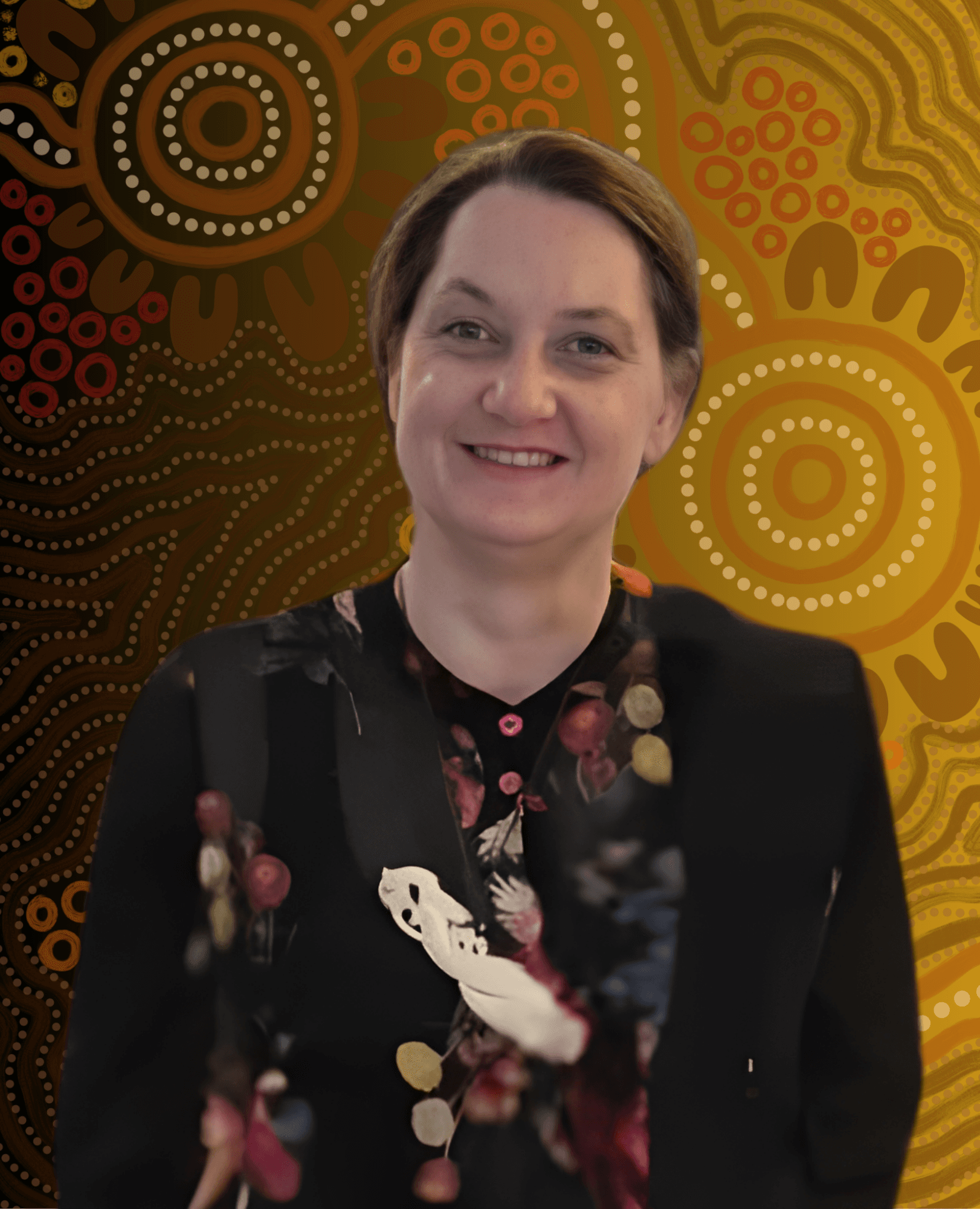
Dr Tess Bright is a Senior Research Fellow in the Disability and Health Unit at The University of Melbourne. Her research focuses on improving health and social outcomes for people with disability through collaborative, co-designed approaches that centre lived experience and support meaningful policy and practice change. She works in partnership with people with disability, advocacy organisations, and communities, including co-designing research with Aboriginal and Torres Strait Islander peoples. Her work spans disability, housing, mental health, and health service access, with a particular focus on equity, inclusion, and systems change.

Conference Agenda

Note

This conference agenda may change without prior notice.

8:30 AM
Registration and Networking with Delegates, Sponsors & Exhibitors
9:00 AM
Keynote Session: Master of Ceremony – Welcome & Safety Announcement – Joedie Saunders, Artist, Advocate & Proud Biripi Woman, Jodie Lawler Collection NSW
9:15 AM
Keynote Session: Welcome to Country, Acknowledgement of Elders and Community Leaders & Traditional Performance – Aunty Erica Eurell, Traditional Custodian, Dreamtime Artistry Gold Coast
9:30 AM
Keynote Session: Supporting Stolen Generations and Institutional Abuse Survivors – Uncle James Morrison, Chairperson, Yokai – WA Stolen Generations Aboriginal Corporation
10:30 AM
Morning Tea – Network with Service Providers/Exhibitors
11:00 AM
Keynote Session: Embedding Indigenous Voices in NDIS Governance – Professor John Gilroy, Professor, The University of Sydney
11:45 AM
Keynote Session: Developing Community-Led Strategies for NDIS Implementation – Eric Brown, CEO/Founder, Natcha Management Pty Ltd & Ngabul Foundation Limited
12:30 PM
Lunch Break – Network with Service Providers/Exhibitors
1:30 PM
Keynote Session: Culturally Safe Assistive Technology Provision in Australia: Concept Mapping Perspectives from Aboriginal and Torres Strait Islander Peoples – Vanessa Langenberg & Shane Hearn, Independent Living Assessment (iLA)
2:15 PM
Keynote Session: Embedding Cultural Safety in NDIS Practice – Suzy Trindall, Lived Experience Consultant & Peer Training Coordinator, Community Disability Alliance Hunter (CDAH)
3:00 PM
Afternoon Tea – Network with Service Providers/Exhibitors
3:30 PM
Keynote Session: Closing the Gap in Positive Behaviour Support Practice Through Co-Designed Neuro-Affirming Therapeutic Support Planning – Francisco de Paula, Director & Neuro-Behaviour Specialist, The Calmer Approach
6:00 PM
Conference Dinner

Registration

Early Bird Discount Available!

Register early to save on registration fees. Pricing changes monthly!

Please note that registrations are set out in an affordable way for organisations, which changes on a monthly basis. Hence the earlier you register, the more savings for your organisation. Registration fees include all-day access to the event, available conference papers, daily lunch, and refreshments for registered delegates only. Fees do not include travel costs or accommodation.

Important Payment Terms

Registration fees must be received within 7 DAYS from being issued an invoice. Otherwise, bookings will not be considered.

Let's Connect

We'd love to hear from you. Whether you have a question about our conferences, registration, or anything else, our team is ready to answer all your questions.

Contact us ICS

Indigenous Conference Services

ICS Australia Pty Ltd

Email

admin@icsconferences.org

We typically respond within 24-48 hours

Mailing Address

8 Kiwi Court Point Vernon QLD 4655

Send us a message

Fill out the form below and we'll get back to you as soon as possible.

Maximum 5000 characters

Ready to join us?

Register Now

Become Part of ICS

Keynotes

Keynotes

Empower others with your stories, insights, and wisdom, inspiring a world where Indigenous culture is celebrated and respected.

Become a Speaker
Exhibitions

Exhibitions

Use your platform to create awareness about vital Indigenous causes and issues, inspiring attendees to become advocates for positive change.

Become an Exhibitor
Sponsorship

Sponsorship

Associate your brand with a cause that matters, gaining valuable exposure to a diverse and engaged audience, both locally and globally.

Become a Sponsor
Australian Conference by Indigenous Organizers

Join Our Conference

Subscribe to our mailing list and stay informed about the latest developments in the world of ICS conferences.