National Conference

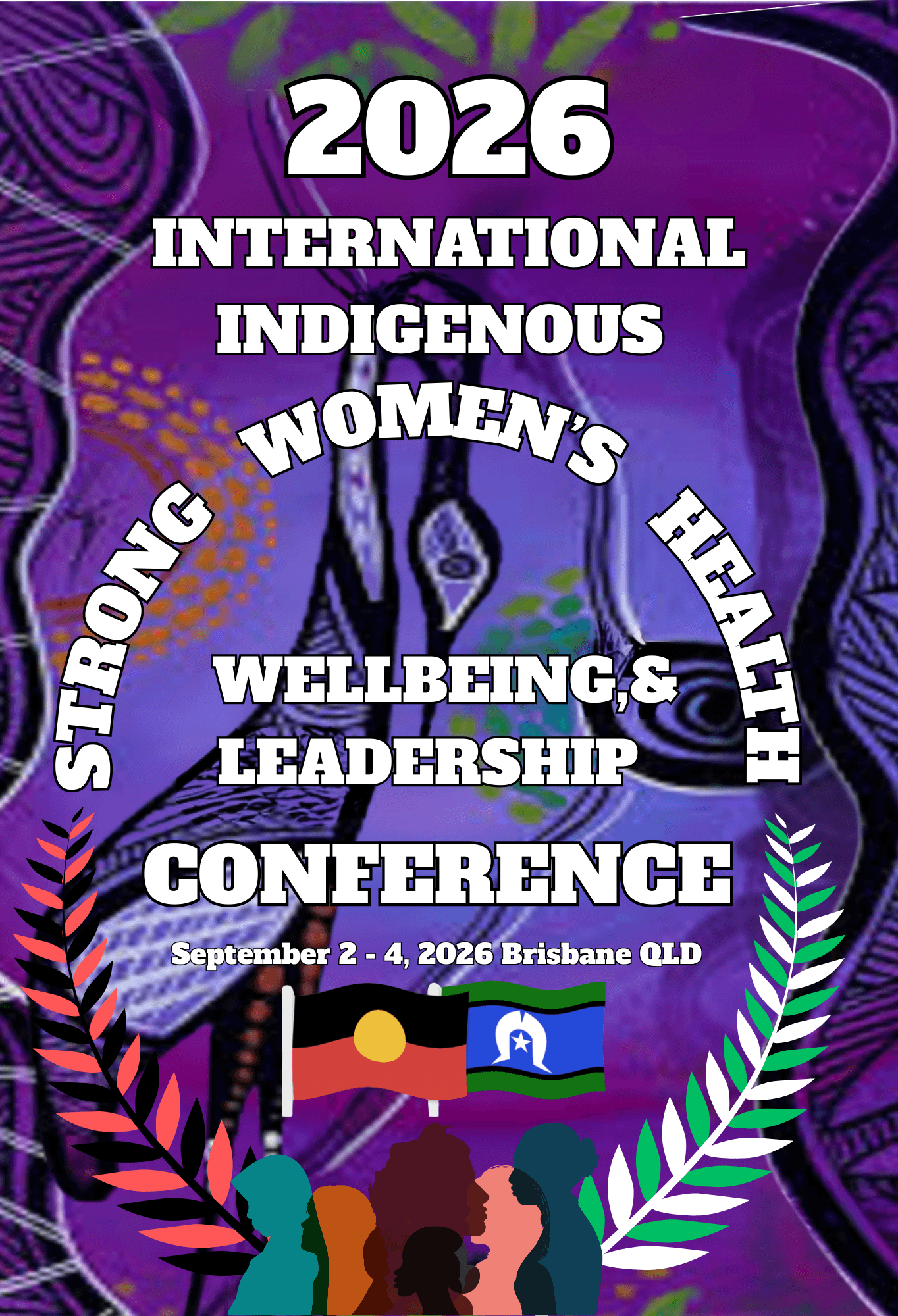
2026 International Indigenous Strong Women’s Health, Wellbeing & Leadership Conference


02- 04 September 2026Brisbane QLD
View Event Details
Skip to event content
Date
Sep 2 - Sep 4, 2026
Venue
Brisbane QLD
Call for Papers
Open
Accepting submissions

Acknowledgement to Country

In Australia, protocol requires us to recognise the Traditional Owners of the land on which we gather. All presentations must therefore begin with an acknowledgement to Country and to local Traditional Elders: "We wish to acknowledge and respect the traditional custodians whose ancestral lands we meet upon. We acknowledge the deep feelings of attachment and relationship of Aboriginal peoples to Country. We also pay respects to the cultural authority of Aboriginal peoples visiting or attending from other areas of Australia who are present here." Indigenous Conference Services acknowledges and pays respect to the Traditional people of the Country. "Welcome to Country" ceremonies and "acknowledging the traditional custodians" of the land demonstrates respect for Aboriginal people as Australia's First Peoples. Ceremonies and protocols form a fundamental part of Aboriginal cultures.

THE CONFERENCE

The 2026 International Indigenous Strong Women’s Health, Wellbeing & Leadership Conference is scheduled to be held in Brisbane Queensland Australia on September 2-4, 2026. The conference is a powerful gathering honouring the resilience, leadership, and collective power of Aboriginal and Torres Strait Islander women, and Indigenous women around the world. Grounded in culture, Country, and sovereignty, this conference recognises Indigenous women as system shakers, leaders who challenge colonial and patriarchal structures and as stewards of ecosystems who protect ancestral knowledge, care for Country and Sea Country, and defend our lands for future generations.

This conference is a space for reclaiming power. For Aboriginal and Torres Strait Islander women, leadership is not new — it is being restored. Long before invasion, our women held central roles in governance, law, kinship, health, and community decision-making. In celebrating International Indigenous Women’s Day, this conference confronts the ongoing impacts of colonisation and gendered violence, while affirming women’s authority to lead healing, governance, and systems change on our own terms. 

The conference places land and resource rights at its core. Indigenous women are on the frontlines of climate change, environmental degradation, and territorial threats. Caring for Country is inseparable from wellbeing — it is cultural responsibility, resistance, and survival. Protecting land, waters, and sacred places is essential to protecting women’s rights, community health, and the continuation of culture. Similarly, rooted in the understanding that culture is a powerful protective factor, the conference centres healing, safety, and self-determination as foundations for strong women, strong families, and strong communities. 

Through yarning, storytelling, ceremony, and shared lived experience, delegates will explore culturally safe, trauma-aware, and community-led approaches to health and wellbeing that honour identity, restore balance, and strengthen spirit. Across two and a half days, Elders, community leaders, health practitioners, midwives, researchers, policymakers, and advocates will come together through workshops, community-led sessions, and evidence-informed discussions. Together, we will elevate strengths, share knowledge, and shape clear, actionable strategies that drive political, economic, and social empowerment for Indigenous women — locally, nationally, and globally.  

THE CONFERENCE THEME

The 2026 International Indigenous Strong Women’s Health, Wellbeing & Leadership Conference  will focus on three interconnected themes:

Theme 1: Resilient Leadership — Reclaiming Power and Sovereignty showcasing Indigenous women as leaders, decision-makers, and system shakers restoring our rightful roles in governance, community life, and systems change. It explores how Indigenous women are reclaiming authority disrupted by colonial and patriarchal systems, strengthening self-determination, and leading political, social, and economic transformation grounded in culture, law, and collective care.

Theme 2: Caring for Country — Land, Sea, and Climate Justice honouring Indigenous women as stewards of ecosystems, protecting ancestral knowledge, land, waters, and sacred places. It highlights women’s leadership on the frontlines of climate change, environmental protection, and land and resource rights, recognising that caring for Country and Sea Country is inseparable from health, wellbeing, cultural survival, and the rights of future generations.

Theme 3: Strong Women, Strong Futures — Healing, Wellbeing, and Collective Strength focusing on holistic health and wellbeing across body, mind, spirit, and Country. Grounded in the understanding that culture is a powerful protective factor, it elevates culturally safe, trauma-aware, and community-led approaches to healing that strengthen women, families, and communities. It celebrates intergenerational knowledge, lived experience, and collective resilience as foundations for strong futures.

CONFERENCE AIM & PHILOSOPHY

The 2026 International Indigenous Strong Women’s Health, Wellbeing & Leadership Conference aims to build a stronger, more connected network of Indigenous women leaders, deliver measurable improvements in health, wellbeing, and governance, and advance policies that protect Indigenous women’s rights, leadership, and Country, creating lasting impact locally, nationally, and internationally. This conference represents a strategic investment in Indigenous women’s leadership, resilience, and empowerment, delivering measurable social, cultural, and environmental benefits for communities across Australia and internationally. Specifically, the conference aims to:

  • Strengthen Indigenous Women’s Leadership and Resilience

  • Recognise and support Aboriginal and Torres Strait Islander women as system shakers and leaders in health, governance, climate action, and community wellbeing.

  • Advance Cultural Sovereignty and Community-Led Governance

  • Reclaim and restore the central roles of Indigenous women in governance, decision-making, and community leadership disrupted by colonisation.

  • Protect Land, Sea, and Resource Rights and elevate Indigenous women’s leadership in environmental stewardship, land and water protection, and climate resilience, linking cultural practices to sustainable policy outcomes.

  • Promote Holistic Health and Wellbeing supporting culturally safe, trauma-aware, and community-led approaches to health, healing, and wellbeing that strengthen women, families, and communities.

  • Facilitate Global and National Solidarity and connect Indigenous women from Australia and around the world to share knowledge, strategies, and best practices, strengthening collective advocacy and policy influence.

  • Generate Actionable Policy and Systems Change and

  • Identify evidence-informed strategies and community-led solutions to inform policy, service delivery, and program development across local, regional, national and global levels.

WHO SHOULD ATTEND

The 2026 International Indigenous Strong Women’s Health, Wellbeing & Leadership Conference is for First Nations women and allies from across Australia and the world who are passionate about strengthening Indigenous leadership, health, and wellbeing.

This includes:

  • Indigenous Women

  • Elders, Knowledge Holders & Cultural Leaders

  • Community Leaders & Advocates

  • Health Practitioners, Midwives & Trauma-Informed Care Workers

  • Researchers, Academics & Policy Influencers

  • Environmental & Land Rights Advocates

  • Students & Emerging Leaders
Why Attend

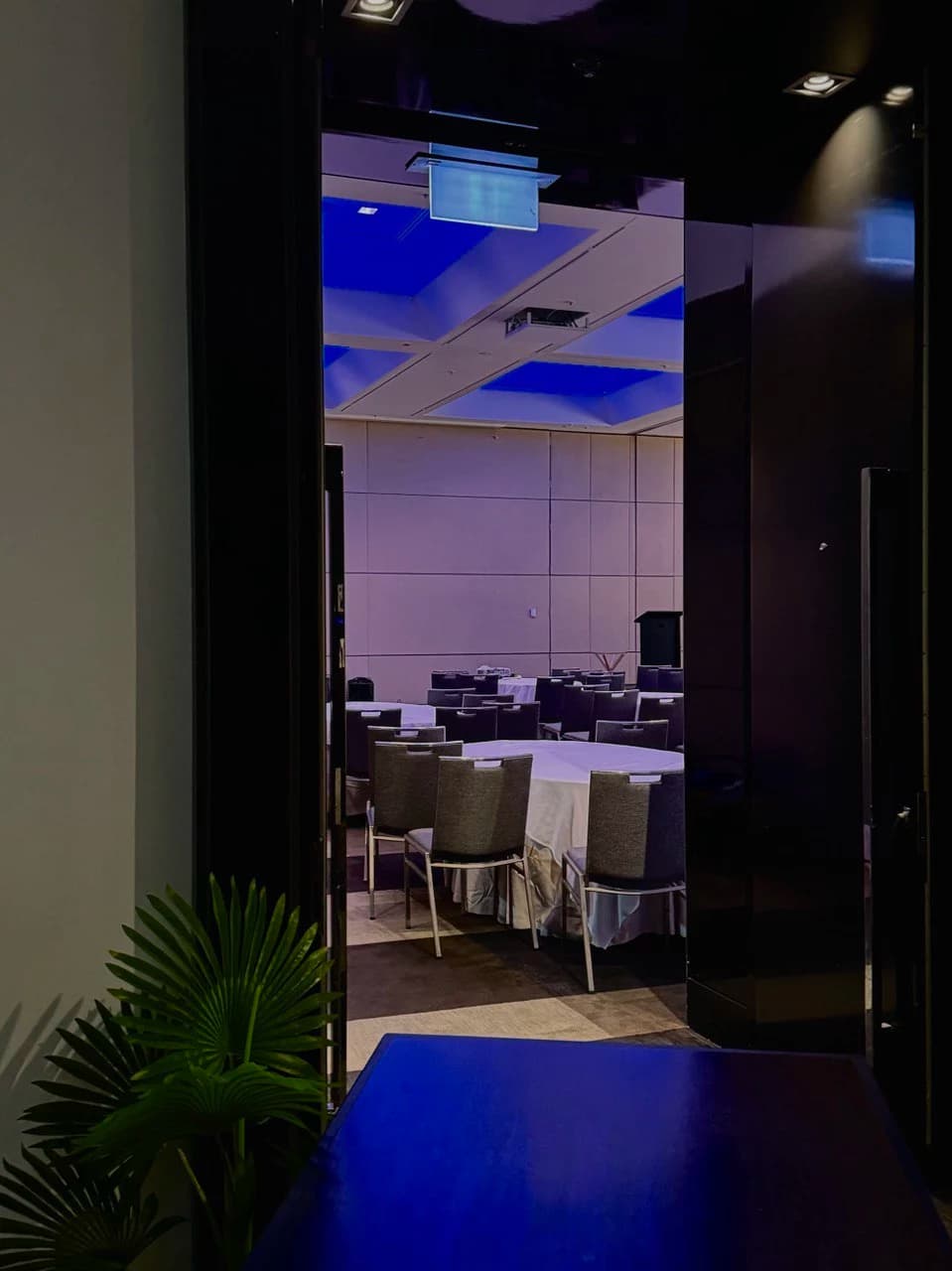
This conference offers delegates a unique opportunity to participate in a positive environment dedicated to sharing information and empowering all attendees. In our everyday working environment, the daily pressures of our roles often limit our capacity to expand knowledge and build networks. Whether working at community or governmental level, opportunities to network and establish contacts beyond your local region can be limited. This conference addresses that challenge, providing valuable connections and insights that extend well beyond your immediate professional circle.

Guest Speakers

This event features an impressive array of guest speakers who share stories, successes, and challenges they've overcome, offering inspiration and opportunities for delegates to engage with Culture, Empowerment, Education, and Networking. Drawn from diverse cultural backgrounds, professional careers, and grassroots community commitments, this year's speakers transform an ordinary event into an extraordinary one. Their contributions create lasting impact, ensuring the conference remains a source of tremendous benefit and memorable insights long after it concludes.

Our Speakers

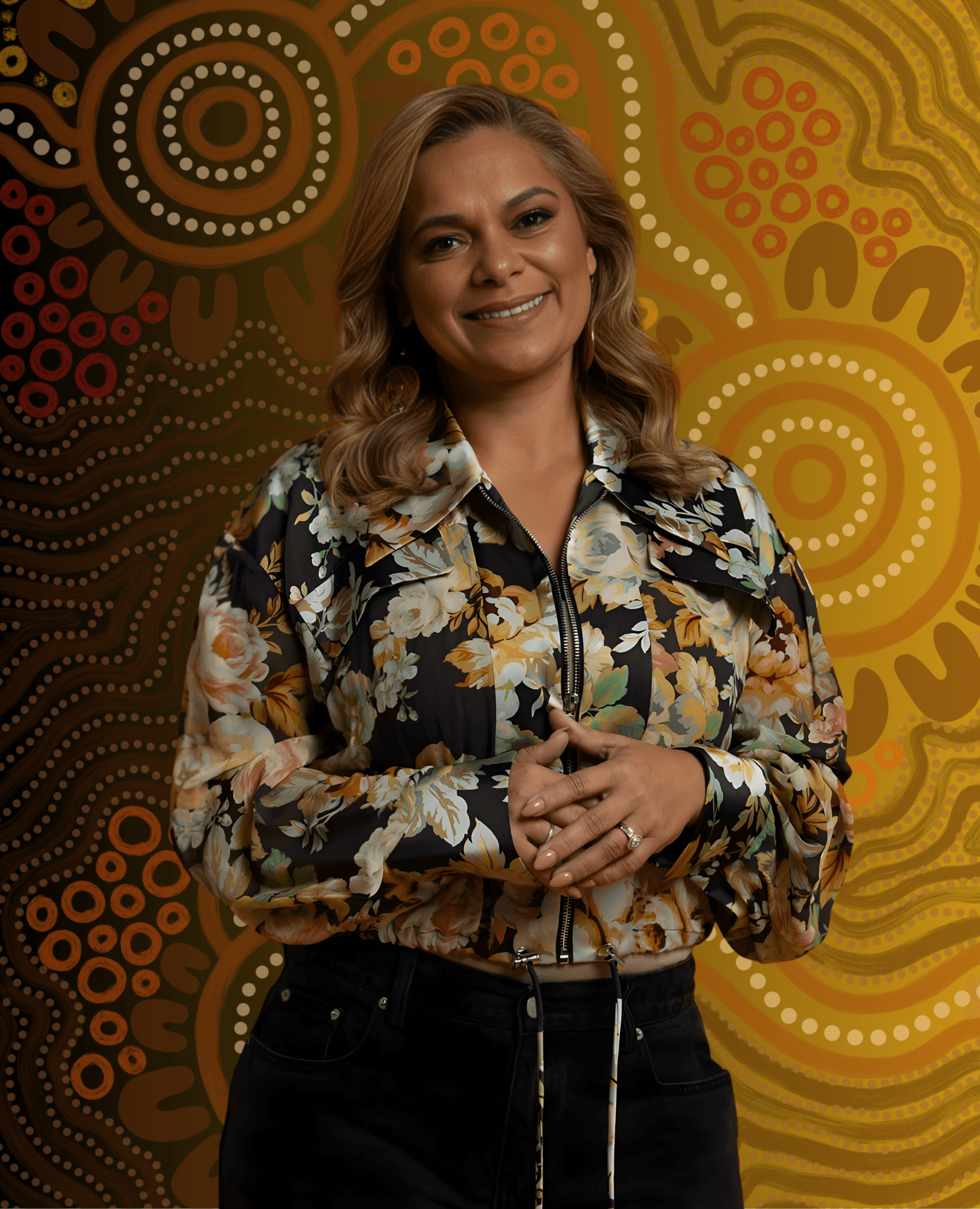
Aunty Bernice Hookey

Aunty Bernice Hookey

Founder and CEO
MZB Empowerment

Bernice Hookey’s family lineage traces back to the Waanyi people from the Lower Gulf of Carpentaria, Queensland. She embodies courage despite the fear that occasionally arises. As a solo mother, aunty, sister, cousin, colleague, and friend, she is deeply passionate about challenging the status quo.

An accomplished Lead Facilitator for an Indigenous National Women’s Empowerment program via Tranby, Bernice is also the Founder of MZB Empowerment. She is widely recognized as a Changemaker, Difference Maker, and Cycle Breaker, as well as a published author, mentor, and multi-award winner. Her achievements include being a finalist for national and international awards that celebrate Indigenous Excellence and Leadership.

Bernice has overcome challenges related to disempowerment, feelings of unworthiness, and well-being depreciation, navigating limited opportunities and barriers to self-expression within cultural spaces. Through experiential learning, she has lived these realities firsthand and continues to thrive.

As both a participant and now a Fellow of a globally recognized top 10 leadership program, Bernice has developed invaluable leadership skills that have strengthened her confidence. These skills, combined with her grassroots-led leadership approach, drive her mission to advance generational equity. Above all, she remains a steadfast cheerleader for families and communities, inspiring those around her with her unwavering dedication and vision.


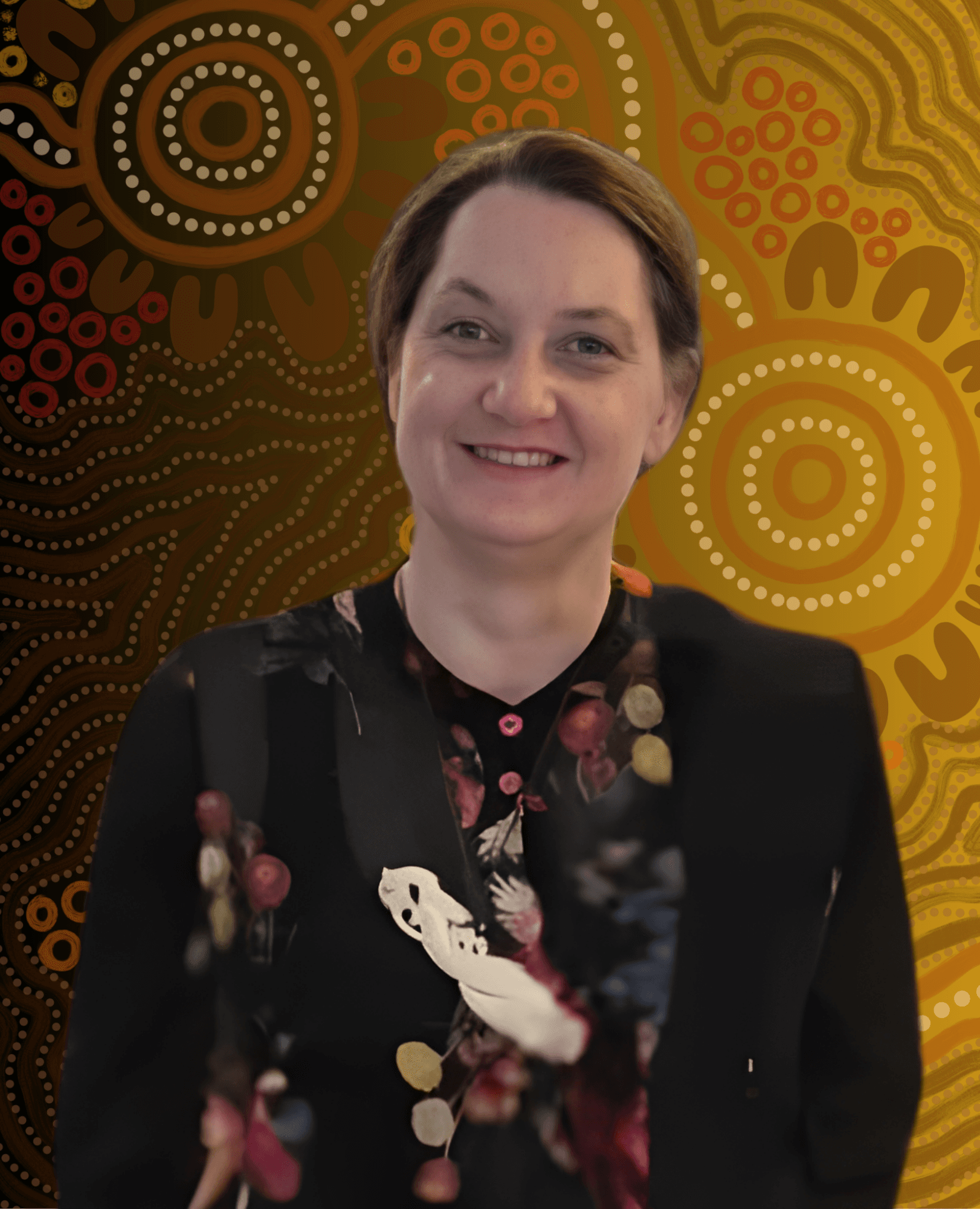
Dr Amber Logan

Dr Amber Logan

Health Psychologist
Indigenous Development Specialists NZ

Dr. Amber R. Logan is a traditional Kahungunu Māori wahine, a New Zealand Health Psychologist and Doctoral Fellow in Public Health at Otago University. She teaches health psychology course work at the University of Auckland & Otago University and is well-known in New Zealand for her work in methamphetamine education and community activism. She is a consummate grant writer, health services evaluator and health services program designer. She has presented extensively in Australia, Canada, and the USA at Harvard University, the University of Washington, and to the US Federal Government.


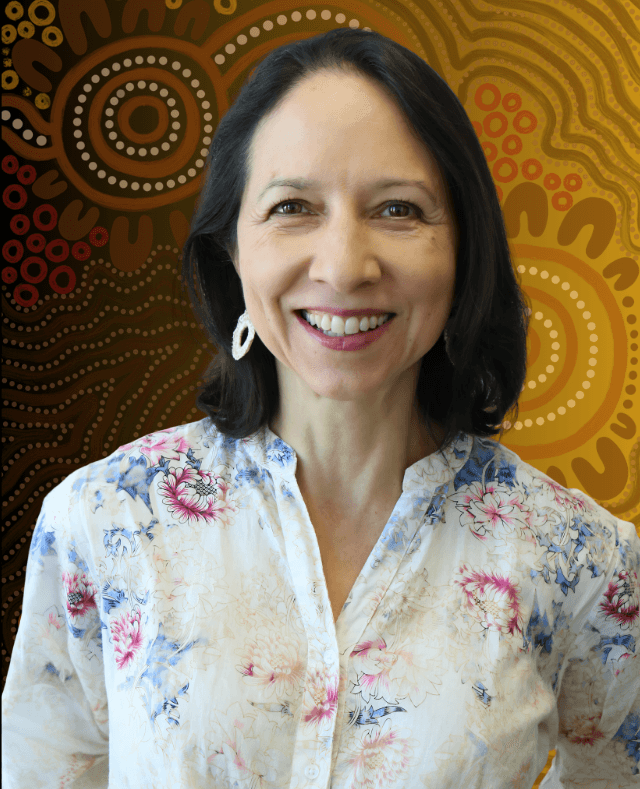
Mundanara Bayles

Mundanara Bayles

Managing Director & Co‑Founder
BlackCard Pty Ltd

Mundanara is a proud Wonnarua, Bunjalung, Birri-Gubba, and Gungalu woman with over two decades of experience working across Indigenous and non-Indigenous organisations in NSW and QLD. She is the Co-Founder and Managing Director of BlackCard Pty Ltd, a 100% Aboriginal-owned consultancy delivering cultural capability training, co-founded with Dr Lilla Watson. An award-winning advocate, she hosts the Black Magic Woman podcast—the first Indigenous podcast to join the iHeart network—and was named Indigenous Businesswoman of the Year at the 2023 Supply Nation Awards.

Recognised internationally for her teaching and leadership, Mundanara is an Associate Fellow of the Higher Education Academy in the UK and serves on several boards and committees, including The Murri School and Philanthropy Australia’s First Nations Governance Committee. She is a Visiting Fellow at QUT, Founder of Deadly Futures Indigenous Corporation, and Founding Director of The Land Back Foundation. Currently completing a Masters in Indigenous Business Leadership at Monash University, Mundanara continues to champion Aboriginal knowledge and leadership while making a positive contribution to her community.


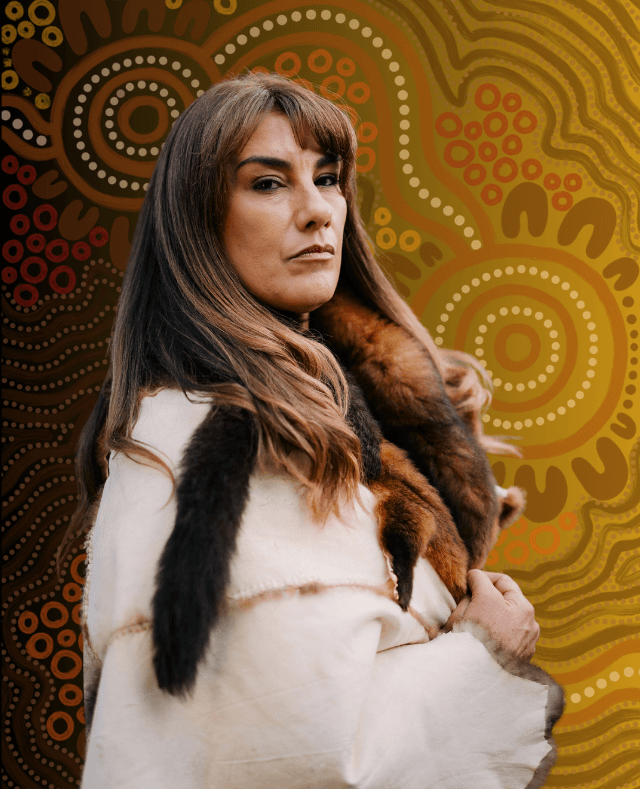
Lidia Thorpe

Lidia Thorpe

Senator
Blak Sovereign Movement

Lidia Thorpe is a proud Gunnai, Gunditjmara and Djab Wurrung woman, mother, grandmother, the first Aboriginal woman elected to the Victorian Parliament, and the first Aboriginal Senator from Victoria in federal parliament. Her story is rooted in her family’s legacy and the ongoing resistance of First Peoples across this continent.

Growing up in the Collingwood public housing flats, Lidia was surrounded by strong Blak Elders, activists and community. Her grandmother, Alma Thorpe, founded the Victorian Aboriginal Health Service, while her mother, Marjorie Thorpe, co-commissioned the Bringing Them Home report on the Stolen Generations and later served on the Council for Aboriginal Reconciliation. Influenced by Elders like Uncle Robbie Thorpe and Uncle Gary Foley, she learned that resistance, truth-telling, and care for community are the foundation of change.

Before entering Parliament, Lidia worked in Aboriginal health, at the Koori Information Centre, and at the Aboriginal funeral service, witnessing firsthand the impacts of colonisation, systemic racism, deaths in custody, and child removals on her people.

Since 2020, Lidia has used her Senate platform to hold the colony to account — demanding Land Back, Treaty, and an end to the ongoing genocide of First Peoples. Her work is driven by the need for justice, healing, and the survival of Sovereignty, culture, and Country for future generations.


Trudy Hart

Trudy Hart

Director Business Solutions
Indigenous Business Australia

Trudy Hart serves as the Director of Business Solutions at Indigenous Business Australia, a role she commenced in 2023. Leading a team dedicated to empowering Aboriginal and Torres Strait Islander people, she facilitates business workshops, access to resources, and commercial finance to support entrepreneurs in starting and growing their businesses.

Before joining Indigenous Business Australia, Hart held the position of Acting Deputy Under Treasurer at Queensland Treasury, where she was responsible for attracting and stimulating investment in priority industries. Prior to her move to Queensland in 2022, she held diverse leadership roles within the Victorian Government, overseeing commercial, economic, and budget functions at the Department of Treasury and Finance while also supporting health services across metropolitan, regional, and rural Victoria.

With over 20 years of experience as a senior government executive in the Victorian and Commonwealth governments, Hart has built and led multiple teams, developed strategic policies across commercial, budget, and social sectors, and implemented significant financial management reforms. With Central American heritage, she remains deeply committed to reducing inequality and increasing economic participation.


Dr Rose Harris

Dr Rose Harris

Managing Director at Maori Health Ltd
Founder at Hine Health Ltd

Dr. Rose Harris is a Māori doctor, advocate, and founder of Hine Health, a kaupapa grounded in restoring hauora for wāhine Māori and their whānau through culturally-led, community-driven care. Raised with a deep connection to whakapapa and whenua in the Hokianga, Dr. Harris brings both lived experience and clinical expertise to her work. Her journey into medicine has been shaped by resilience — including navigating hardship, motherhood at a young age, and systemic barriers — which now fuel her commitment to equity and transformation within health systems. Dr. Harris currently works across emergency and primary care settings in both Aotearoa and Australia.

Her clinical experience, combined with her grassroots leadership, has led to the development of Hine Health — an initiative designed to reduce barriers to care by bringing services directly to whānau. Through Hine Health, she has led community-based events that integrate education, screening (including breast and cervical cancer), and direct access to specialist care such as obstetrics and gynaecology, creating seamless pathways from prevention to treatment. Her work is grounded in Te Whare Tapa Whā, tikanga Māori, and a belief that true healing occurs when care is relational, culturally safe, and led by the people it serves. She is particularly passionate about early intervention, empowering wāhine with knowledge, and shifting health systems from reactive models to preventative, whānau-centred approaches. Dr. Harris is also an emerging voice in Indigenous health innovation, with a strong focus on integrating clinical excellence, cultural frameworks, and digital solutions to improve outcomes for underserved communities. Through her speaking, she shares not only models of care, but a vision — one where Indigenous leadership, identity, and connection are central to health and wellbeing. “Knowledge is care. Hauora is wealth.”


Janine Dureau

Janine Dureau

Paul Ramsey Foundation Fellow
Collaboration for Impact

Janine Dureau is the Founder and Inaugural Chairperson of the Kimberley Aboriginal Women’s Council and a Paul Ramsay Foundation Fellow leading the development of the Kimberley Nation Rebuilding Framework. Her work centres on cultural governance reform, strengthening Indigenous women’s leadership and restoring systems of authority grounded in culture, accountability and self-determination. With a focus on long-term structural change, Janine works at the intersection of healing, governance and nation rebuilding, recognising that sustainable wellbeing outcomes are shaped by the strength of cultural governance systems. Her leadership is grounded in lived experience and deep community engagement across the Kimberley. Janine’s work seeks to move beyond program responses to create the conditions for safer families, stronger leadership and thriving Nations.


Ariel Metekingi

Ariel Metekingi

Chief Executive Officer
Hapu Ora NZ Ltd

Ariel Meteking, Ngati Toa Rangatira, Te Atahaunui a Paparangi, Ngati Tahu Ngati Whaoa, Ngai Tahu, Te Arawa, I am a father of 10 children, raised by a single mother. Our tupuna have also been recognised the need to pivot, and adapt to the changing world. From Taiaha, muskets, cell phone, computors, cloud. My mother and Aunties, started to work in our community 50 years ago, with no money and supported all people, . We have had 100s of whanau, children, adults through our homes over the year and its been our mission to make a difference. To use our cultural and spiritual values to make a difference. We are the lived experience and have use both business and social services to develop a unique model and program.


Patricia (nee Hill) Wall

Patricia (nee Hill) Wall

Academic Leader
Curtin University, School of Population Health

Trish is a Wadandi Bibbulmun woman from the south-west of Western Australia, with kinship ties that extend to Broome. She has been recognised for her outstanding leadership within the Aboriginal community, earning several awards for her contributions. Her role as a respected Elder has been celebrated, notably through NAIDOC and Curtin University - accolades that highlight her influence and commitment to cultural preservation and community wellbeing. Drawing on her extensive and varied experience working with Aboriginal people, Trish has consistently demonstrated dedication to uplifting and supporting her community. In addition to her leadership achievements, Trish has recently completed her first book. This significant work will form part of her thesis as she completes her PhD, which she expects to finalise in October 2026. Her ongoing academic and literary contributions further reflect her commitment to sharing knowledge and empowering future generations. Trish will submit her book, 'My Interruption,' for publication in 2027.

Registration

Early Bird Discount Available!

Register early to save on registration fees. Pricing changes monthly!

Please note that registrations are set out in an affordable way for organisations, which changes on a monthly basis. Hence the earlier you register, the more savings for your organisation. Registration fees include all-day access to the event, available conference papers, daily lunch, and refreshments for registered delegates only. Fees do not include travel costs or accommodation.

Important Payment Terms

Registration fees must be received within 7 DAYS from being issued an invoice. Otherwise, bookings will not be considered.

Let's Connect

We'd love to hear from you. Whether you have a question about our conferences, registration, or anything else, our team is ready to answer all your questions.

Contact us ICS

Indigenous Conference Services

ICS Australia Pty Ltd

Email

admin@icsconferences.org

We typically respond within 24-48 hours

Mailing Address

8 Kiwi Court Point Vernon QLD 4655

Send us a message

Fill out the form below and we'll get back to you as soon as possible.

Maximum 5000 characters

Ready to join us?

Register Now

Become Part of ICS

Keynotes

Keynotes

Empower others with your stories, insights, and wisdom, inspiring a world where Indigenous culture is celebrated and respected.

Become a Speaker
Exhibitions

Exhibitions

Use your platform to create awareness about vital Indigenous causes and issues, inspiring attendees to become advocates for positive change.

Become an Exhibitor
Sponsorship

Sponsorship

Associate your brand with a cause that matters, gaining valuable exposure to a diverse and engaged audience, both locally and globally.

Become a Sponsor
Australian Conference by Indigenous Organizers

Join Our Conference

Subscribe to our mailing list and stay informed about the latest developments in the world of ICS conferences.