THE CONFERENCE
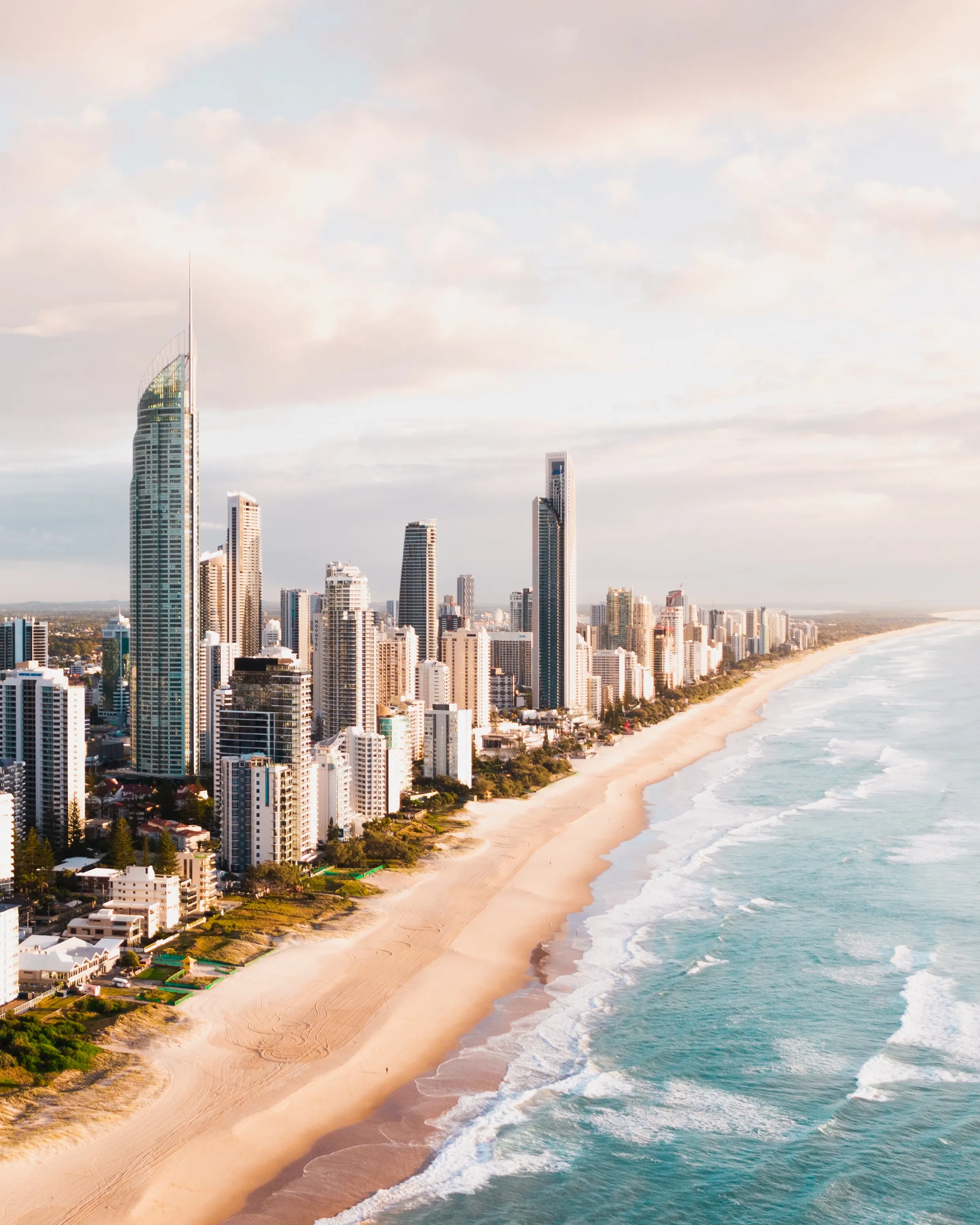
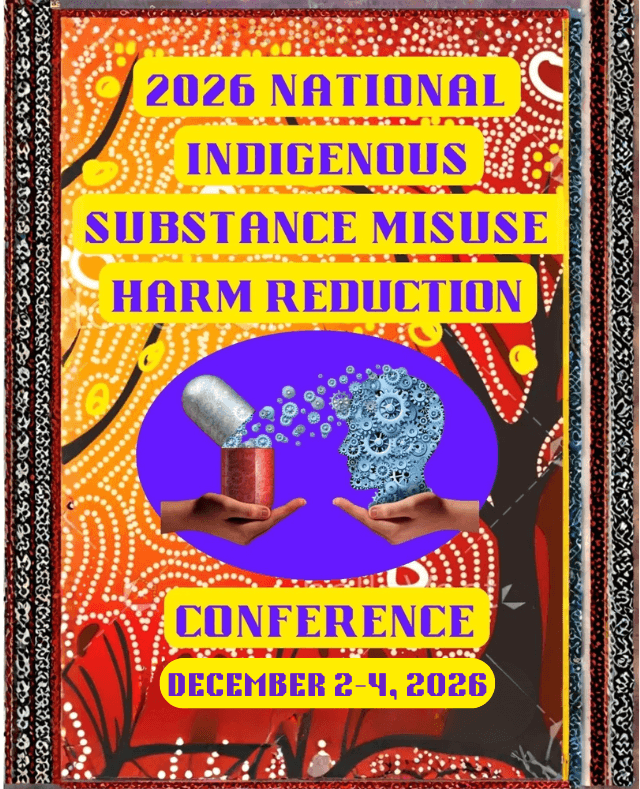
The 2026 National Indigenous Substance Misuse Harm Reduction Conference is scheduled in the Gold Coast QLD on December 2-4, 2026 which brings together AOD workers, mental health practitioners, and Aboriginal & Torres Strait Islander Emotional and Social Well-being workers from across Australia. Through a culturally grounded, community-led lens, the conference confronts the urgent impacts of substance misuse, promoting harm reduction, prevention, and recovery strategies that respect culture, identity, and connection to Country. Delegates and valued speakers alike will explore the root causes of addiction—including intergenerational trauma, systemic inequity, and gaps in culturally safe services—while sharing lived experience, evidence-based approaches, and community-driven solutions. This conference is more than a meeting: it is a movement for self-determination, policy reform, and whole-of-community healing, empowering First Nations peoples and organisations to lead the way in creating safer, stronger, and culturally resilient communities.
THE CONFERENCE THEME
The 2026 National Indigenous Substance Misuse Harm Reduction Conference is a bold call to reframe how healing, rehabilitation, and prevention are designed, delivered, and led across Aboriginal and Torres Strait Islander communities. Grounded in culture and driven by community voices, this gathering unites Elders, health workers, youth advocates, policymakers, service providers, and those with lived experience. It recognises that genuine recovery and wellbeing begin with identity, connection to Country, and self-determination. This is more than a conference—it is a movement for healing, justice, and culturally led change. The 2026 conference will focus on three interconnected themes:
Culture as Healing – Restoring Identity and Connection - Culture is medicine. This theme honours the role of Country, kinship, language, and cultural practices in breaking cycles of harm. It centres lived experience and cultural strength as the foundation for renewal, hope, and recovery.
Creating Safe, Strong and Inclusive Support Systems - Healing requires systems that respect and reflect the people they serve. This theme calls for culturally safe alcohol and drug services, trauma-informed practice, workforce reform, and accountability built on trust, understanding, and community partnerships.
Community Power – Prevention, Leadership and Change - Lasting change happens when communities lead the way. This theme champions self-determination, youth engagement, innovation, and community-driven solutions—ensuring every First Nations person has the opportunity to heal with dignity, pride, and purpose.
CONFERENCE AIM & PHILOSOPHY
The 2026 National Indigenous Substance Misuse Harm Reduction Conference philosophy is grounded in the truth that healing must come from culture, community, and self-determination. Every First Nations person has the right to recover with dignity, identity, and pride—supported by systems that listen, respect, and follow the leadership of our people. This conference rejects one-size-fits-all service models and instead centres cultural knowledge, lived experience, and community-led solutions as the foundation for real change. It recognises that intergenerational trauma, inequality, and disconnection cannot be addressed without restoring culture, empowering families, and creating pathways built on justice, respect, and truth. At its heart, this philosophy calls for collective responsibility, cultural resurgence, and bold systemic reform so that healing is not an intervention—but a right, a legacy, and a movement carried by our people.
The 2026 National Indigenous Substance Misuse Harm Reduction Conference empowers Aboriginal and Torres Strait Islander communities by providing a culturally strong, inclusive space for dialogue, healing, and action. Centering lived experience and community leadership, the conference advances culturally led prevention, recovery, and reform grounded in identity, connection to Country, and self-determination.
HISTORICAL BACKGROUND
Before European invasion, Aboriginal and Torres Strait Islander societies were strong, sophisticated, and sustained by ancient systems of law, kinship, spirituality, and care for Country. Our peoples lived in balance with land, sea, and sky, guided by cultural knowledge passed down over tens of thousands of years. The arrival of colonisation brought foreign diseases, alcohol, dispossession, and systems designed to dismantle our ways of life disruptions whose impacts continue to reverberate across generations.
Over time, the erosion of language, culture, and spiritual wellbeing has been compounded by forced removals, institutional control, and rapid urbanisation, with nearly seventy per cent of Indigenous peoples now living in cities. This raises confronting truths about how Australia has been shaped and whose voices were silenced in the process. We are compelled to ask hard questions about history, power, and place, and to reckon honestly with how different this nation might look had colonisation not targeted the most fertile and strategically valuable lands.
At the heart of our survival remains family, culture, and spirituality. By coming together to share past and present experiences, we create space for healing, learning, and collective strength. These conversations are essential to shaping future strategies that empower our people to reclaim leadership, responsibility, and cultural pride within their communities. Through open, respectful, and culturally safe dialogue, we strengthen connections, build collective wisdom, and advance collaborative pathways toward justice, self-determination, and wellbeing for First Nations communities.
WHO SHOULD ATTEND
The conference is open to everyone dedicated to improving disability care, inclusion, and cultural safety across Australia. It brings together First Nations people with disability, their families, carers, community leaders, Elders, and Traditional Owners who are passionate about creating meaningful change. The conference also welcomes NDIS providers, health and allied health professionals, mental health practitioners, policy makers, educators, researchers, and government representatives committed to building culturally safe and responsive systems. It is an essential gathering for community organisations, advocates, and emerging leaders seeking to strengthen partnerships, share knowledge, and drive reform within the disability sector. Whether you work in service delivery, policy, education, or advocacy, this conference offers a powerful space to connect, learn, and collaborate toward a future where every First Nations person living with disability is empowered to live strong, independent, and proud—grounded in culture, community, and belonging.