2026 National Indigenous Closing the Gap Health Conference

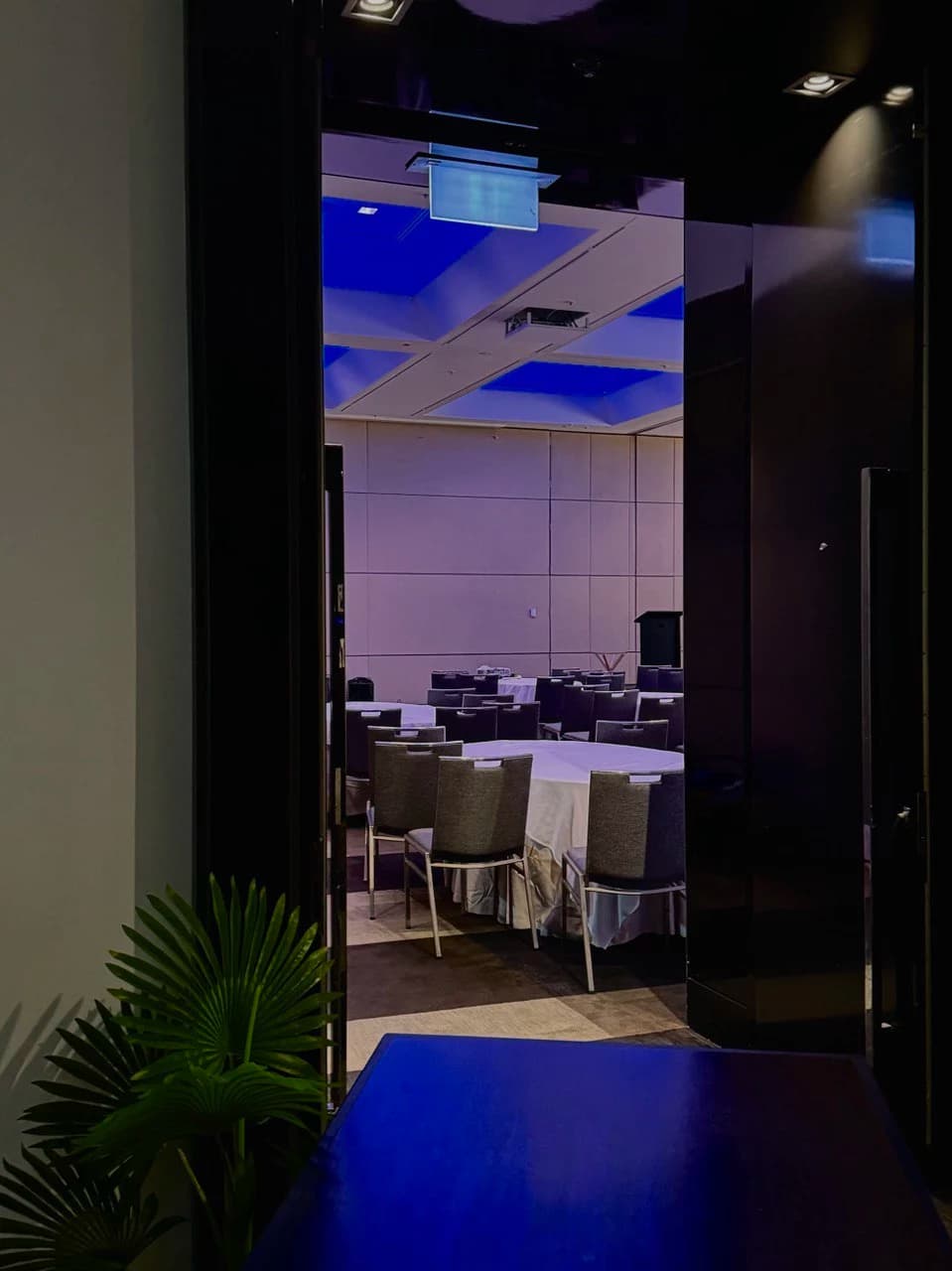
08- 10 December 2026 | Hilton Hotel, Gold Coast

About the Conference

Conference Events

By registering, you get access to all keynotes and panels
  • 2026 National Indigenous Closing the Gap Health Conference
  • 2026 National Indigenous Chronic Diseases Conference
Learn more about events

POST-CONFERENCE MASTERCLASS

(optional, AUD$350 per person)
  • Indigenous Led Trauma-Informed Care & Suicide Prevention
  • Healing Circle Work

Conference Networking Dinner

(optional, AUD$150 per person)

Networking Dinner

Accommodation

(optional, from AUD$300 per night)

Accommodation at Hilton Hotel, Gold Coast

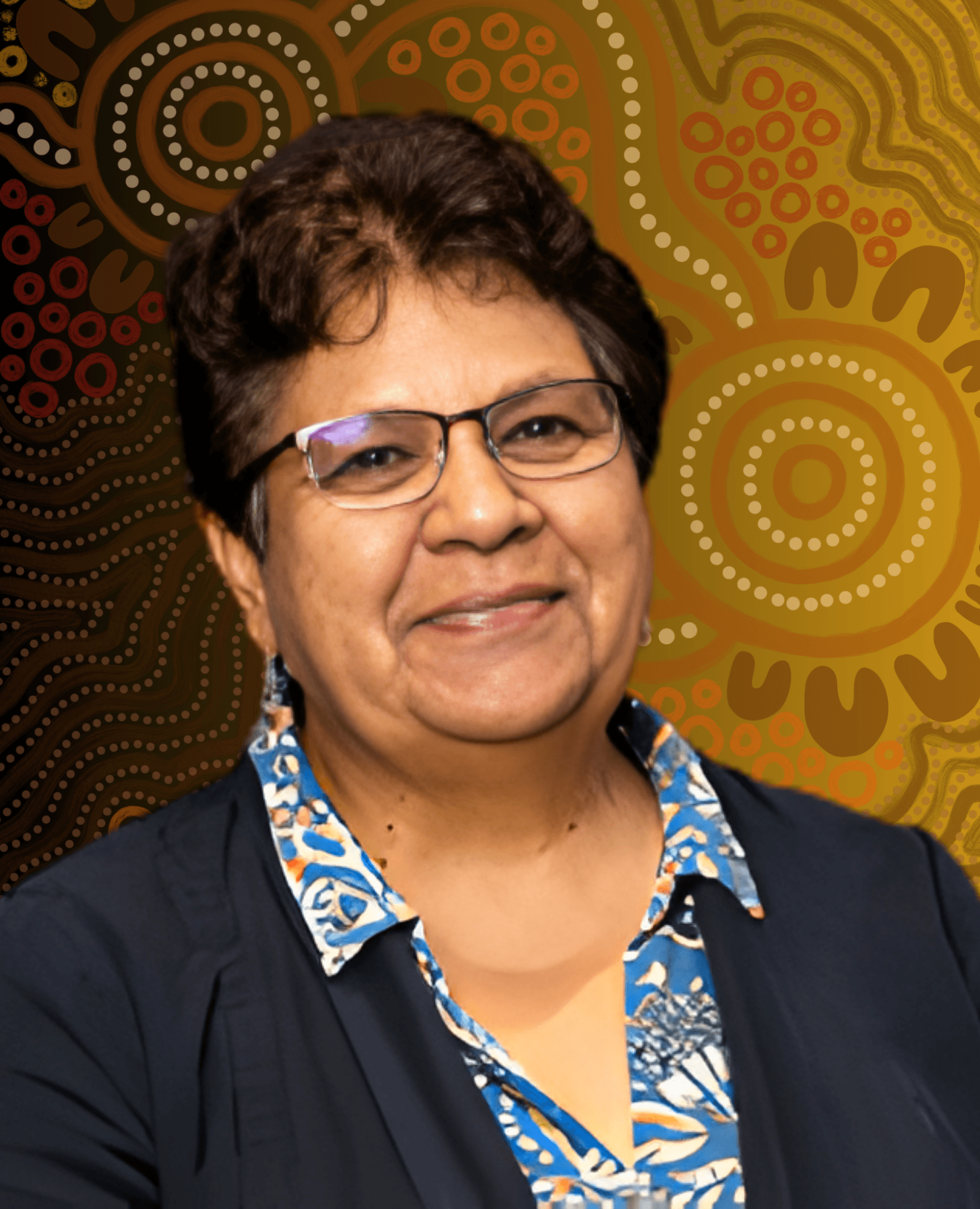
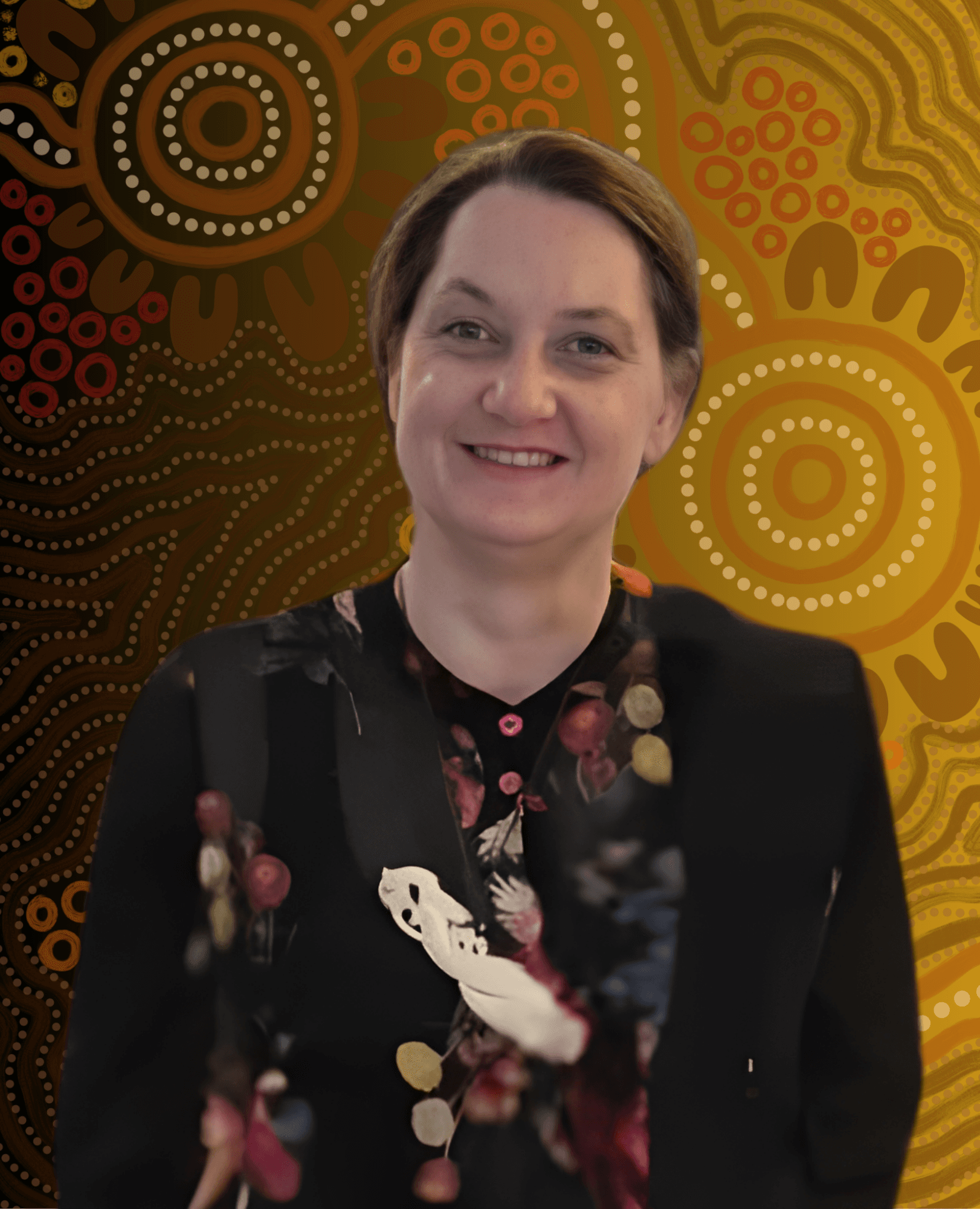
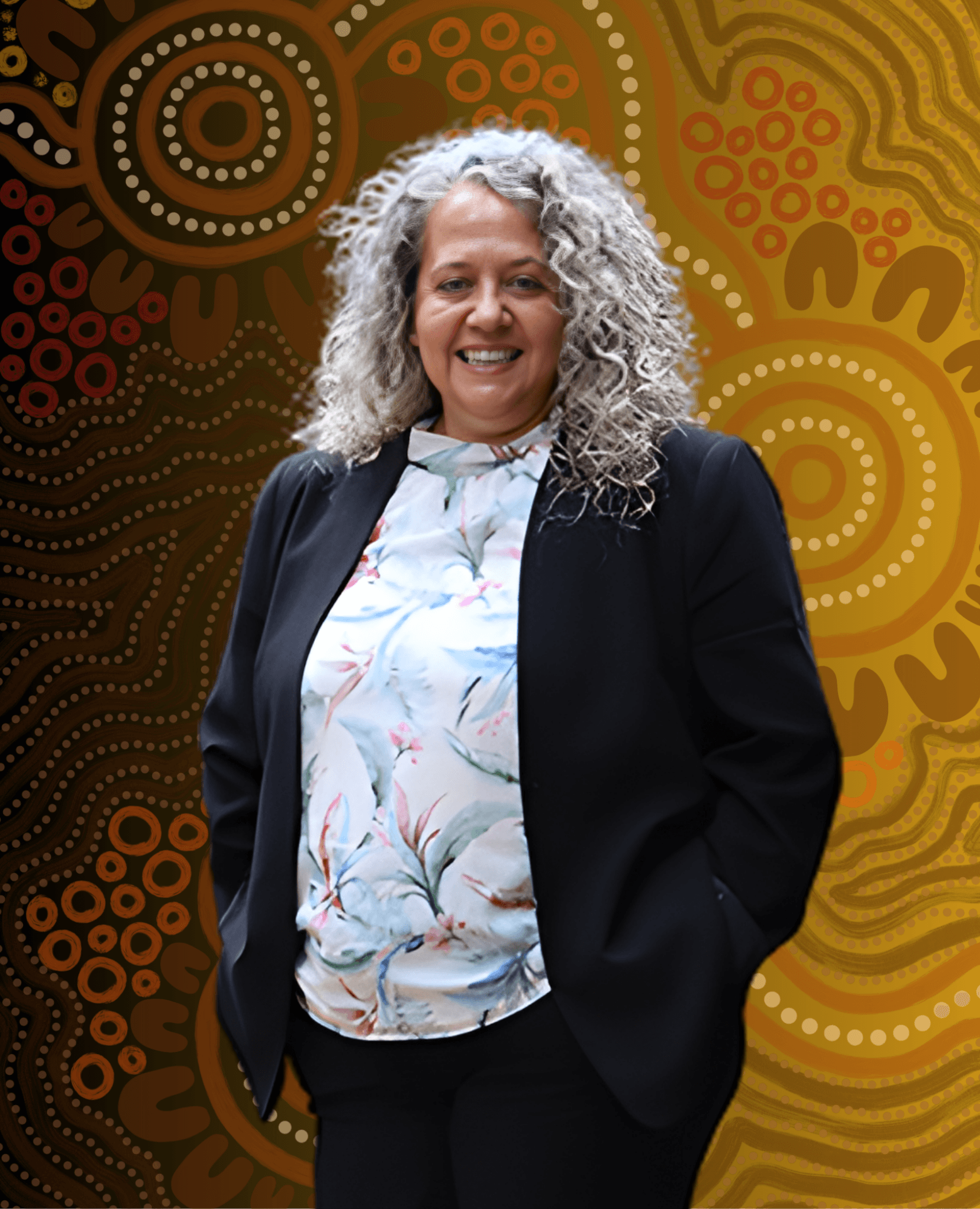
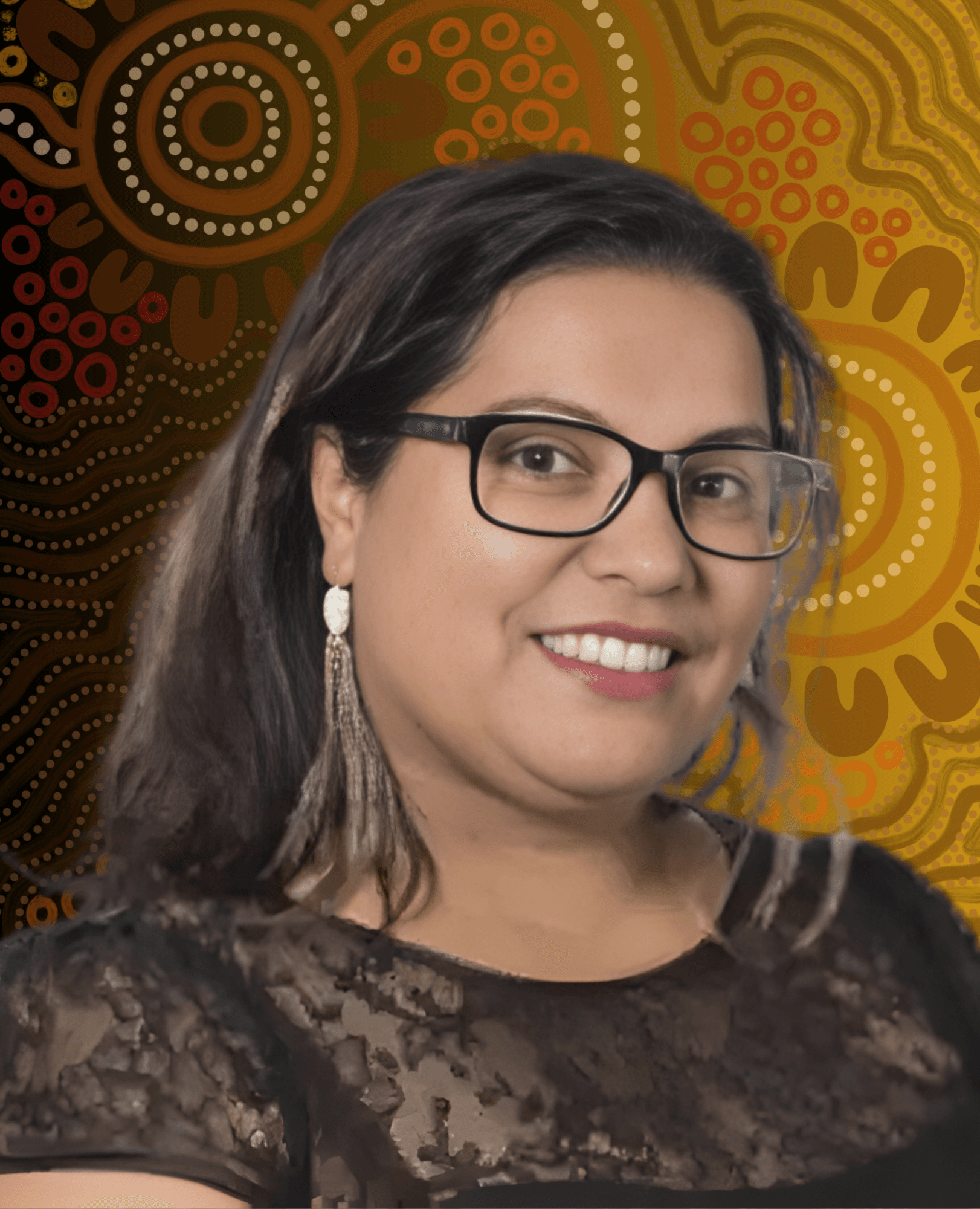
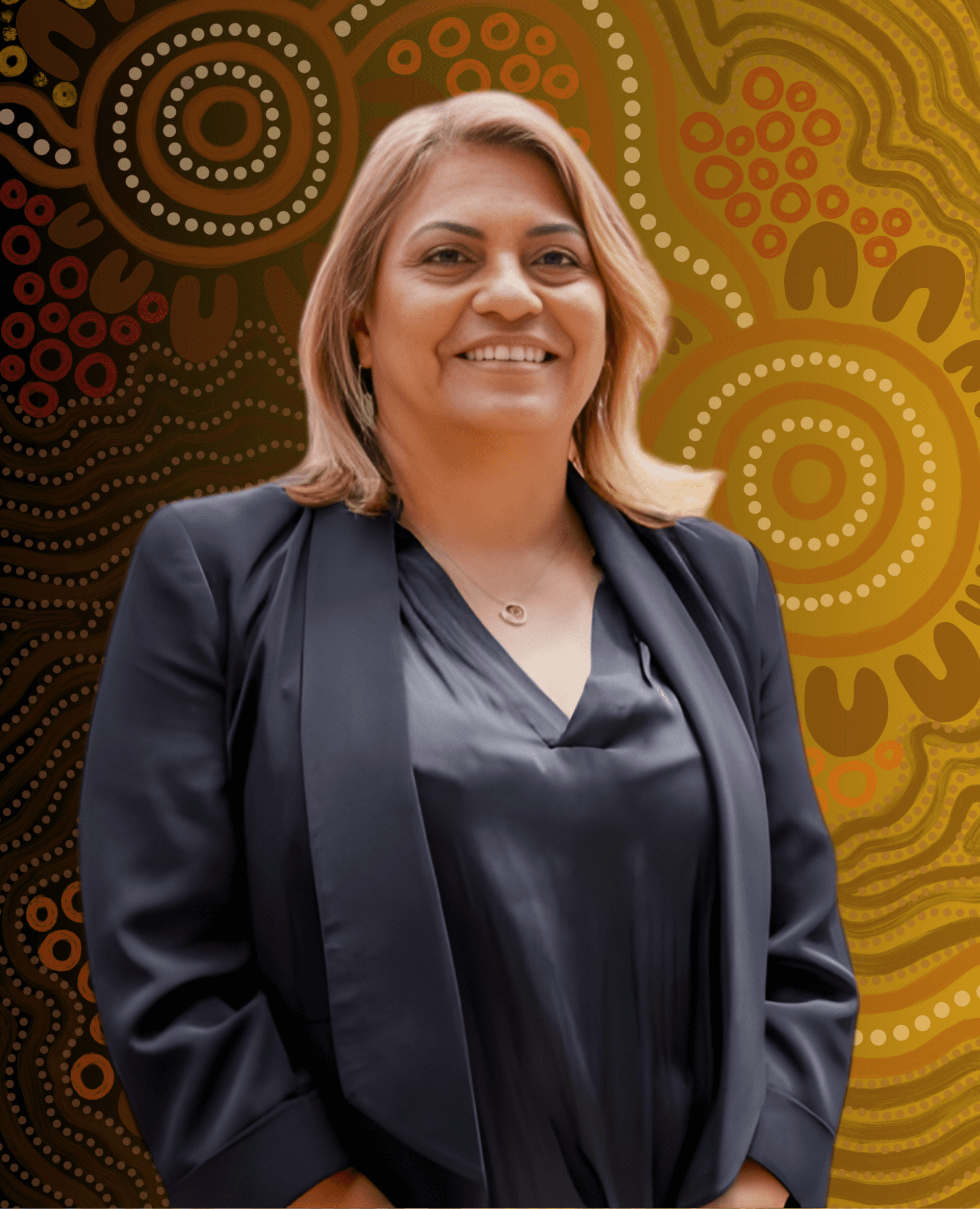
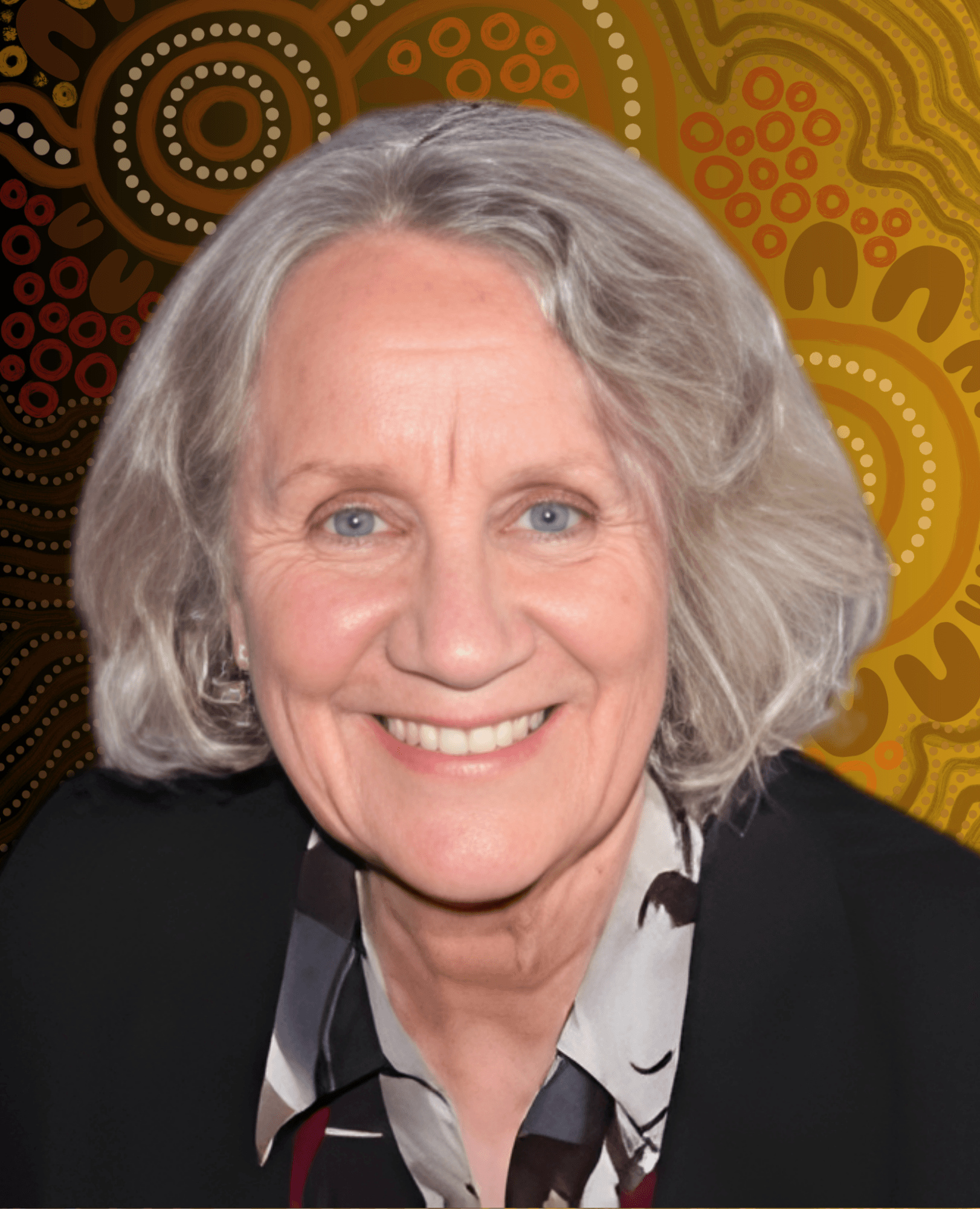
Judy Atkinson

Judy Atkinson

Writer| Educator| Researcher | Professor at The University of New South Wales (UNSW)
Emeritus Professor at The Southern Cross University -Freelance

Emeritus Professor Judy Atkinson is a Jiman woman from Central West Queensland and Bundjalung woman from Northern New South Wales, with Anglo‑Celtic and German heritage. She is internationally recognized for her pioneering work on trauma, violence, and healing in Indigenous communities. Holding a BA from the University of Canberra and a PhD from Queensland University of Technology, she also completed Harvard University’s Program for Refugee Trauma in Global Mental Health. Her landmark book Trauma Trails – Recreating Songlines explores the transgenerational effects of trauma in Indigenous Australia and has become a cornerstone text in the field.

Professor Atkinson has been honored with numerous awards, including the Carrick Neville Bonner Award for curriculum innovation and the Fritz Redlich Memorial Award for Human Rights and Mental Health. In 2019, she was appointed a Member of the Order of Australia (AM) for her services to Indigenous communities, education, and mental health. As founder and patron of We Al‑li, she continues to lead culturally informed trauma‑integrated healing programs, empowering communities to reclaim resilience and wellbeing through Indigenous knowledge and practice.
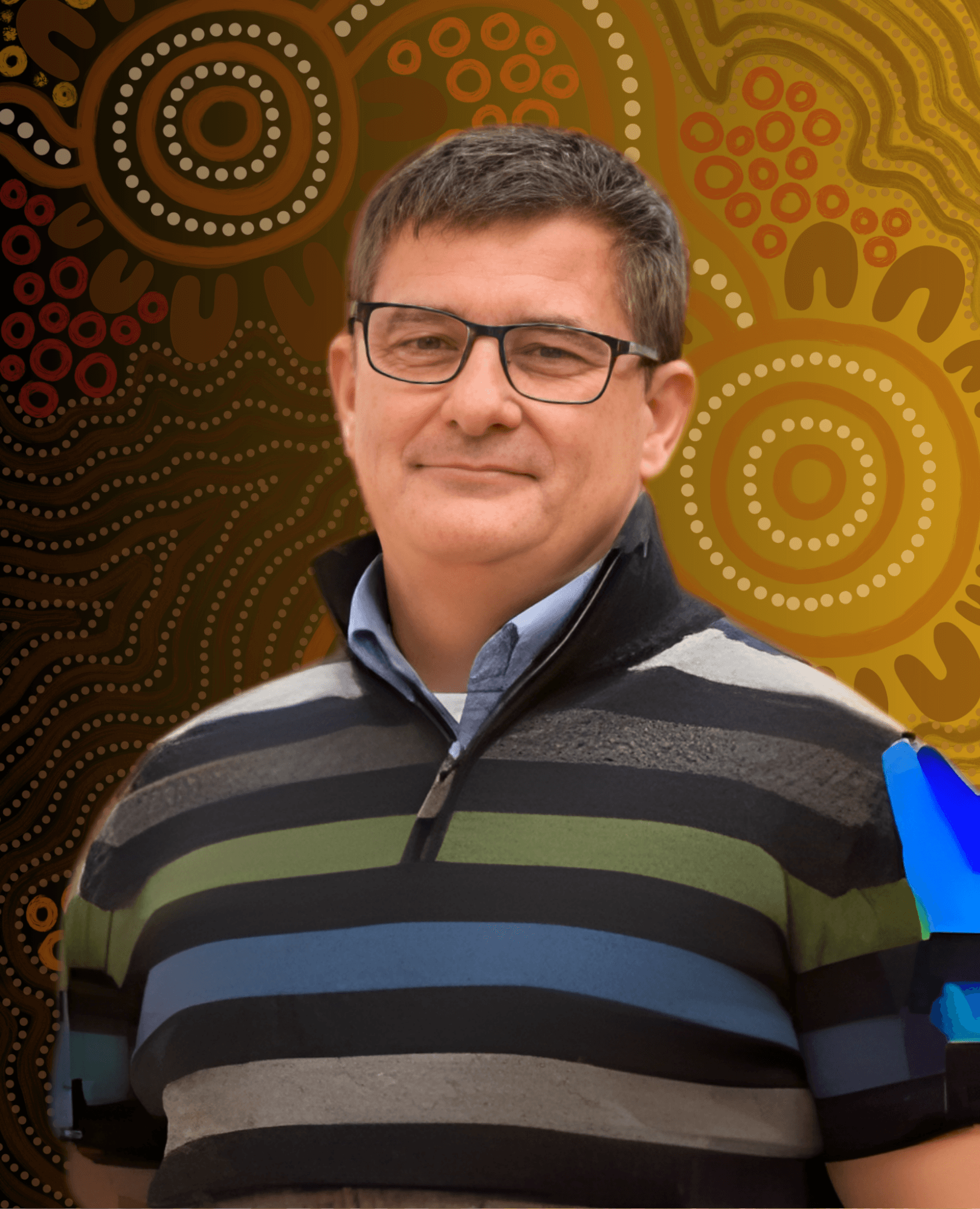

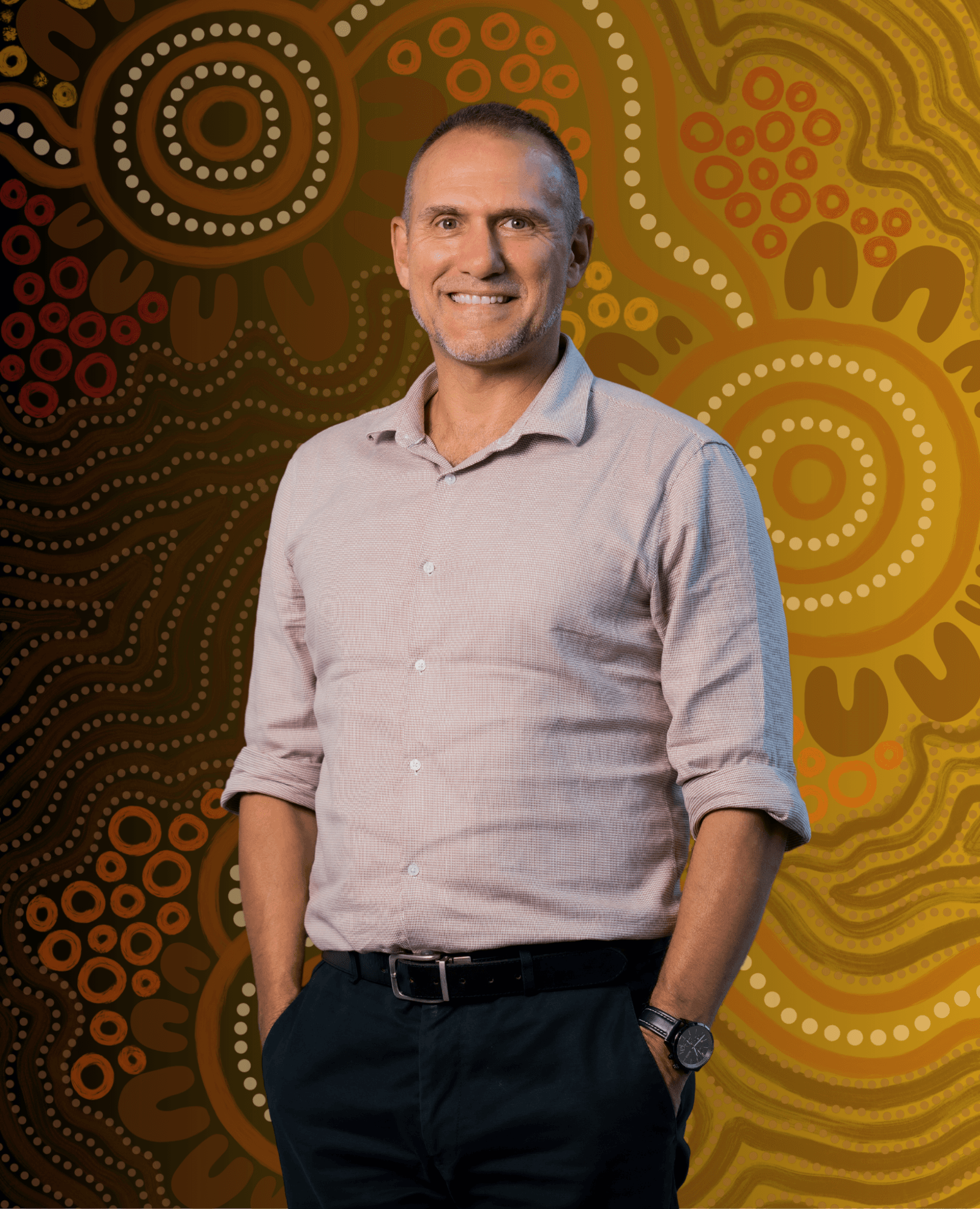
 Dr. Stewart Sutherland

Dr. Stewart Sutherland

Associate Professor and Chair Indigenous Health Framework
ANU School of Medicine and Psychology

Dr. Stewart Sutherland is a proud Wiradjuri man from Wellington, New South Wales, and an Associate Professor at the Australian National University’s School of Medicine and Psychology. He serves as Chair of the Indigenous Health Framework and has worked for more than a decade in Indigenous health, focusing on identity, trauma, and mental health. His PhD research examined the relationship between reconciliation and the social and emotional wellbeing of the Stolen Generations, highlighting the impact of forced removals on Indigenous communities. Stewart’s scholarship has been influential in shaping approaches to Social and Emotional Wellbeing (SEWB), cultural health, and food sovereignty.

Beyond academia, Dr. Sutherland has extensive experience as a project manager in food, health, and SEWB initiatives, and has contributed to national conversations on reconciliation and Indigenous health policy. He has lectured across multiple disciplines, including nursing, veterinary science, and cultural competency, and continues to lead Aboriginal and Torres Strait Islander Health education at ANU. His work bridges rigorous research with community advocacy, making him a respected voice in advancing Indigenous health equity and cultural safety.


Aunty Bernice Hookey

Aunty Bernice Hookey

Lead Yanalangami Facilitator, Founder and CEO(MZB Empowerment)
Tranby Aboriginal Co-operative

Bernice Hookey’s family lineage traces back to the Waanyi people from the Lower Gulf of Carpentaria, Queensland. She embodies courage despite the fear that occasionally arises. As a solo mother, aunty, sister, cousin, colleague, and friend, she is deeply passionate about challenging the status quo.

An accomplished Lead Facilitator for an Indigenous National Women’s Empowerment program via Tranby, Bernice is also the Founder of MZB Empowerment. She is widely recognized as a Changemaker, Difference Maker, and Cycle Breaker, as well as a published author, mentor, and multi-award winner. Her achievements include being a finalist for national and international awards that celebrate Indigenous Excellence and Leadership.

Bernice has overcome challenges related to disempowerment, feelings of unworthiness, and well-being depreciation, navigating limited opportunities and barriers to self-expression within cultural spaces. Through experiential learning, she has lived these realities firsthand and continues to thrive.

As both a participant and now a Fellow of a globally recognized top 10 leadership program, Bernice has developed invaluable leadership skills that have strengthened her confidence. These skills, combined with her grassroots-led leadership approach, drive her mission to advance generational equity. Above all, she remains a steadfast cheerleader for families and communities, inspiring those around her with her unwavering dedication and vision.


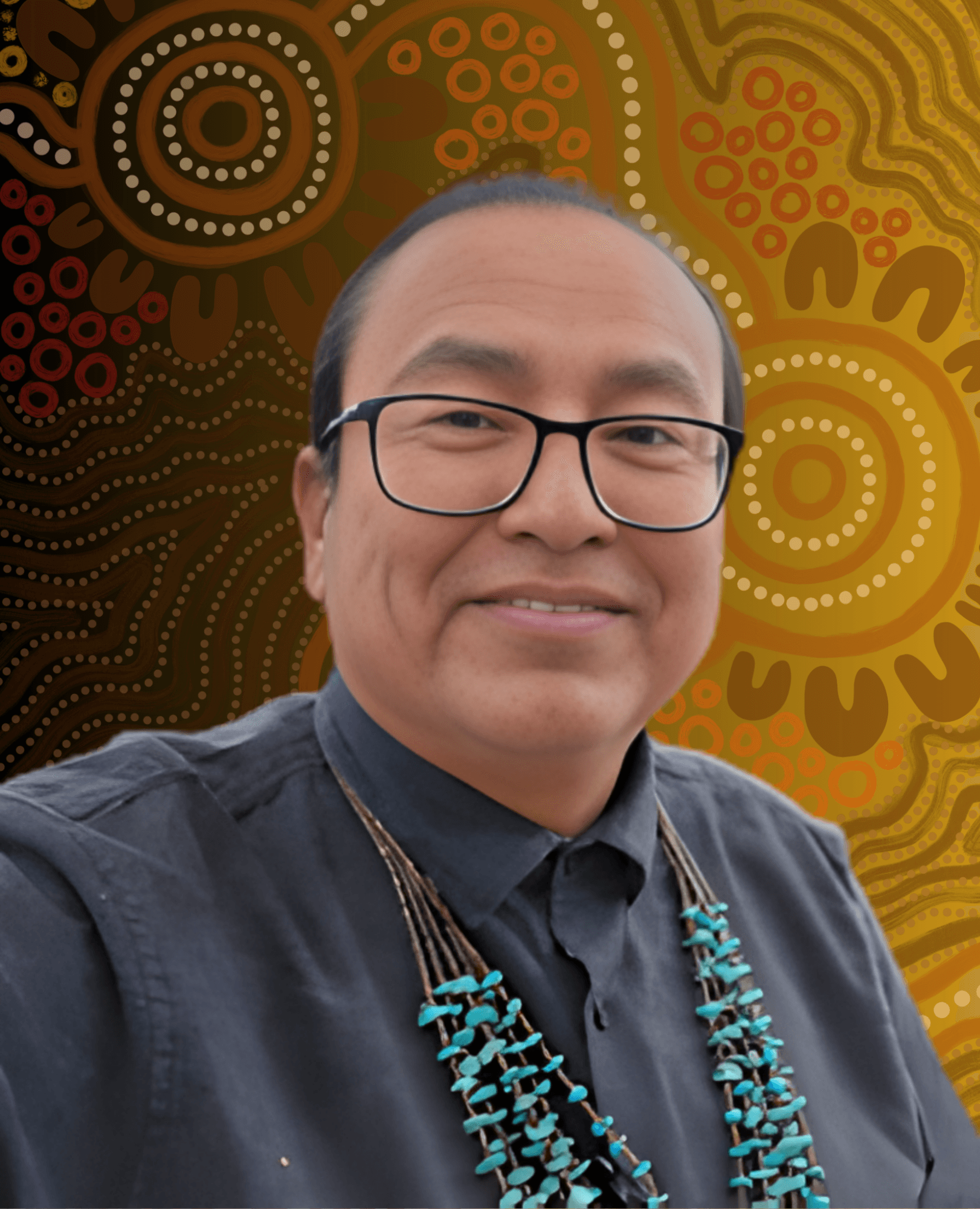
  Adrian Salliego

Adrian Salliego

Trainer, Generation Red Road, Inc.
Native American/Alaskan Native/Indigenous Non-Profit

Adrian Salliego is an enrolled member of the Navajo Tribe. His Maternal clan is Bitterwater and born for the Deerspring Clan. His Mother is from Tuba City, AZ and Father from Cedar Ridge, AZ. Adrian grew up on the Navajo Reservation his whole life. He was raised with the Traditional way of the Navajo people. Adrian surrendered to the disease of addiction on November 3, 2004. He started a new way of life in a 12-step fellowship. Today, Adrian is a productive member of society currently working for Beechtree Diagnostics. He is also a trainer for Generation Red Road working with Carlos Rivera. Adrian has traveled across Turtle Island meeting with many Tribal members to help the people seeking recovery. Adrian lives in Tempe, AZ and continues to work with a sponsor in the fellowship of Narcotics Anonymous. Helping the fellow addict seeking recovery has become a service commitment for Adrian Salliego.


Dr. Jocelyn Jones

Dr. Jocelyn Jones

Associate Professor & Vice‑Chancellor Professoriate Research Fellow at The Edith Cowan University (ECU)
Adjunct Senior Research Fellow at The National Drug Research Institute (NDRI)

Dr. Jocelyn Jones is a proud Noongar woman from Western Australia and a leading advocate for Indigenous health and education. She is currently a Senior Research Fellow at Curtin University, where her work focuses on improving health outcomes for Aboriginal and Torres Strait Islander peoples through culturally safe research and practice. With a background in nursing and public health, Jocelyn has contributed to national projects addressing chronic disease, mental health, and the social determinants of wellbeing. Her scholarship emphasizes the importance of Indigenous leadership in shaping health policy and service delivery.

Beyond academia, Dr. Jones is deeply engaged in community advocacy and capacity building. She has worked extensively to strengthen Indigenous voices in health research, mentoring emerging Aboriginal scholars and collaborating with communities to ensure research reflects lived experience. Her leadership bridges clinical expertise, cultural knowledge, and grassroots advocacy, making her a respected figure in advancing equity and resilience across Indigenous health systems.


Dr Amber Logan

Dr Amber Logan

Health Psychologist
Indigenous Development Specialists NZ

Dr. Amber R. Logan is a traditional Kahungunu Māori wahine, a New Zealand Health Psychologist and Doctoral Fellow in Public Health at Otago University. She teaches health psychology course work at the University of Auckland & Otago University and is well-known in New Zealand for her work in methamphetamine education and community activism. She is a consummate grant writer, health services evaluator and health services program designer. She has presented extensively in Australia, Canada, and the USA at Harvard University, the University of Washington, and to the US Federal Government.


Dr Joseph Stone

Dr Joseph Stone

Clinical Psychologist
Indigenous Development Specialists USA

Dr. Joseph B. Stone, PhD is an Anasaki-pikuni ceremonialist and traditionalist and member of the OKKAN (Sundance), the Last Star Thunder Medicine Pipe and Beaver Lodge. Dr. Stone works at Te Taiwhenua o Heretaunga – a Kaupapa Māori Health Provider; Awhina Whanu Family Services, and the Napier Family Centre all located in Hawkes Bay, New Zealand. He has clinical experience with adult prisoners & corrections and juvenile justice in both New Zealand and USA. He is affiliated with the National Centre on Trauma and Project Making Medicine – Indian Health Service Assessment and Treatment of Child Abuse at Oklahoma State University. He has presented to, and served as consultant to, the U.S. Senate Select Committee on Indian Affairs of Native Youth Suicide. Dr. Stone’s publications include articles on trauma, suicide, and other cultural & behavioural issues.


Dr Raelene Ward

Dr Raelene Ward

Knowledge Broker First Nations Engagement| Chairperson Goolburri Aboriginal Health Advancement |SQNNSW Innovation Hub Aboriginal advisor
One Basin CRC First Nations Director|Lecturer (Indigenous Health) School of Nursing and Midwifery|Aboriginal Researcher

Dr Raelene Ward is a proud Kunja woman from Cunnamulla, Queensland, and an accomplished nurse, academic, and researcher. She holds a Bachelor of Nursing, a Master of Health, and a PhD from the University of Southern Queensland, where her doctoral work focused on Aboriginal suicide. With extensive experience in both hospital and university settings, Dr Ward has dedicated her career to improving health outcomes for Aboriginal and Torres Strait Islander peoples, particularly in the areas of mental health, suicide prevention, and remote health services.

Currently, Dr Ward serves as Knowledge Broker for First Nations Engagement at the Southern Queensland and Northern New South Wales Drought Resilience Adoption and Innovation Hub. She also contributes nationally as First Nations Director with the One Basin CRC and as a member of the Murray–Darling Basin Authority’s First Nations Leadership Group. Her leadership is widely recognised for bridging cultural knowledge with research and policy, ensuring that First Nations voices are central to resilience, wellbeing, and community development initiatives across Australia.


Victoria Sinka

Victoria Sinka

Research Fellow | NHMRC Postgraduate Scholar | Kidney Awareness , Prevention & Early Detection | Indigenous Perspectives | Indigenous Research Methodologies
Poche Centre for Indigenous Health

Victoria Sinka is an emerging social epidemiologist specializing in Aboriginal health across Australia and internationally. She is a PhD candidate and Research Fellow with the ARDAC Kidney Health Study, which investigates chronic kidney disease in Aboriginal children and works toward prevention through culturally safe approaches. Her expertise spans Indigenous health promotion, participatory action research, systematic reviews, and cohort studies, with a strong focus on maternal health, social and emotional wellbeing, and the early prevention of chronic disease. She has also worked as a Research Assistant at the University of Sydney’s Centre for Kidney Research, contributing to projects that unite clinical science with Indigenous knowledge.

Beyond her academic work, Victoria is recognized as a strategic thinker and planner who applies an Indigenous lens to public health research. She is committed to strengthening Aboriginal and Torres Strait Islander population health by addressing social and cultural determinants of wellbeing. Her contributions highlight the importance of data linkage and community‑driven research in shaping equitable health outcomes. By combining rigorous epidemiological methods with cultural protocols, she continues to advance Indigenous health research and inspire collaborative solutions for future generations.


Odette Pearson

Odette Pearson

Co-Lead Aboriginal Health Equity Theme
South Australian Health and Medical Research Institute (SAMRHI)

Professor Odette Pearson is a Kuku Yalanji/Torres Strait Islander woman and Co‑Theme Leader of the Wardliparingga Aboriginal Health Equity Theme at the South Australian Health and Medical Research Institute (SAHMRI). She also holds an adjunct professorship with the University of Adelaide’s School of Medicine. With qualifications in health sciences, research methods, and health economics, Professor Pearson brings a unique skillset shaped by extensive post‑doctoral training in Indigenous health policy, health systems, and inequity. Her research focuses on understanding how institutional policies and practices drive health and social inequities experienced by Aboriginal and Torres Strait Islander peoples.

Beyond her leadership role at SAHMRI, Professor Pearson leads independent programs of research and is deeply committed to building the capacity of the next generation of Aboriginal and Torres Strait Islander researchers. She serves as Co‑Chair of the Aboriginal Human Research Health Ethics Committee of South Australia and is the first Aboriginal board member of the Adelaide Fringe. Her work has highlighted pressing health challenges, including the prevalence of type 2 diabetes among Aboriginal and Torres Strait Islander communities, and she continues to advocate for culturally safe, community‑driven approaches to health equity.

Become Part of ICS

Keynotes

Keynotes

Empower others with your stories, insights, and wisdom, inspiring a world where Indigenous culture is celebrated and respected.

Become a Speaker
Exhibitions

Exhibitions

Use your platform to create awareness about vital Indigenous causes and issues, inspiring attendees to become advocates for positive change.

Become an Exhibitor
Sponsorship

Sponsorship

Associate your brand with a cause that matters, gaining valuable exposure to a diverse and engaged audience, both locally and globally.

Become a Sponsor
Australian Conference by Indigenous Organizers

Join Our Conference

Subscribe to our mailing list and stay informed about the latest developments in the world of ICS conferences.