National Conference

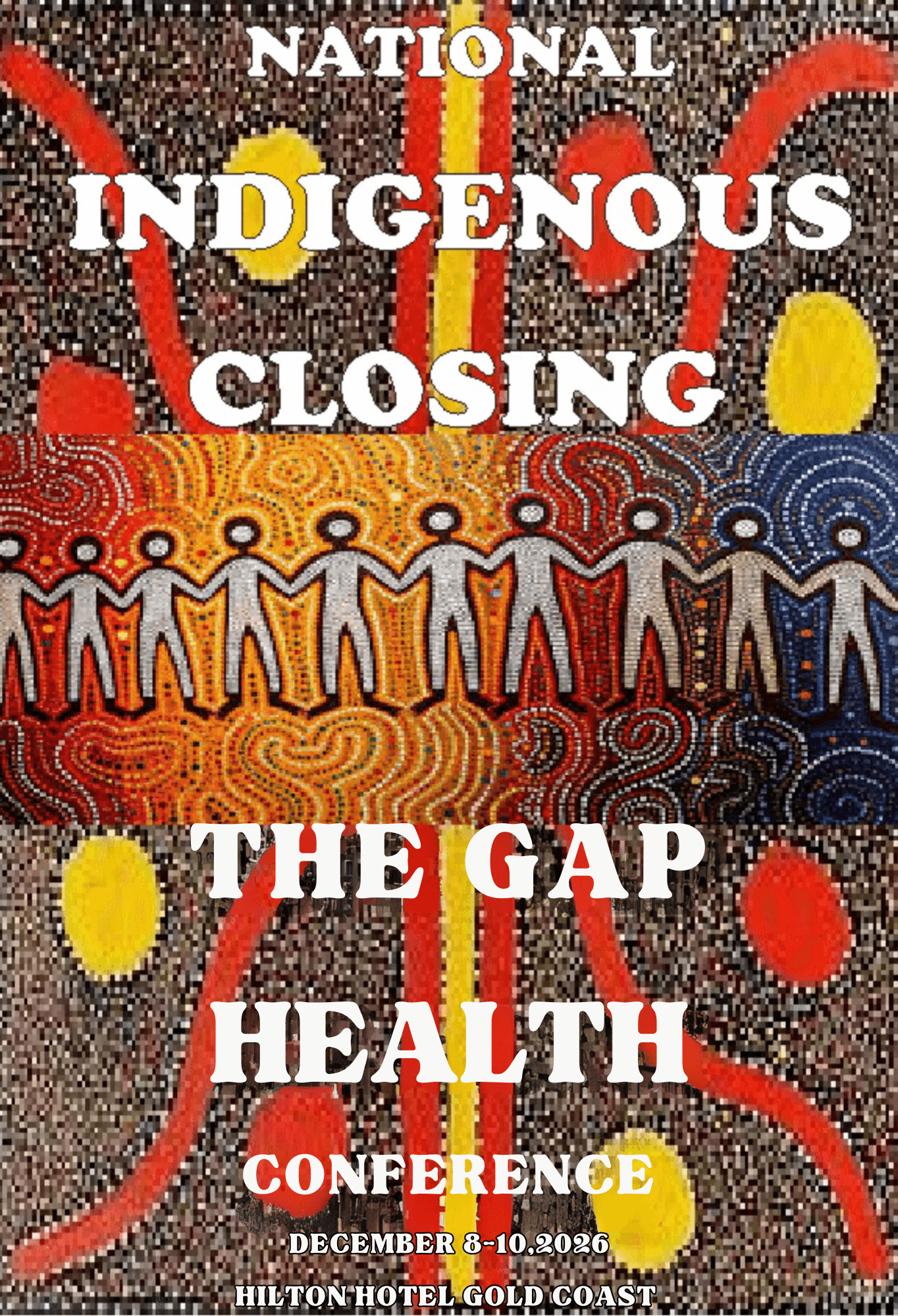
2026 National Indigenous Closing the Gap Health Conference


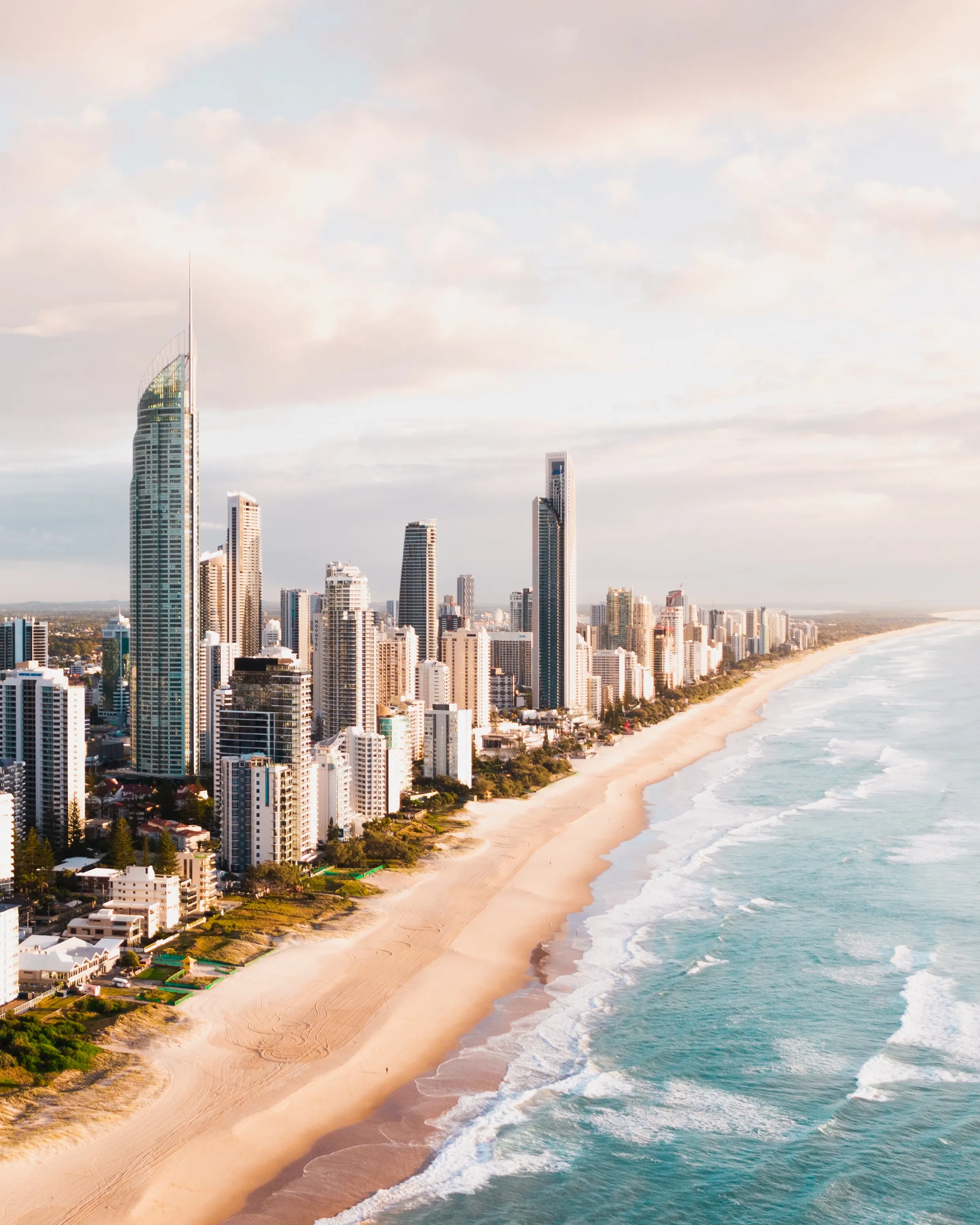
08- 10 December 2026Hilton Hotel, Gold Coast
View Event Details
Skip to event content
Date
Dec 8 - Dec 10, 2026
Venue
Hilton Hotel, Gold Coast
Call for Papers
Open
Accepting submissions

Acknowledgement to Country

In Australia, protocol requires us to recognise the Traditional Owners of the land on which we gather. All presentations must therefore begin with an acknowledgement to Country and to local Traditional Elders: "We wish to acknowledge and respect the traditional custodians whose ancestral lands we meet upon. We acknowledge the deep feelings of attachment and relationship of Aboriginal peoples to Country. We also pay respects to the cultural authority of Aboriginal peoples visiting or attending from other areas of Australia who are present here." Indigenous Conference Services acknowledges and pays respect to the Traditional people of the Country. "Welcome to Country" ceremonies and "acknowledging the traditional custodians" of the land demonstrates respect for Aboriginal people as Australia's First Peoples. Ceremonies and protocols form a fundamental part of Aboriginal cultures.

THE CONFERENCE

The 2026 National Indigenous Closing the Gap Health Conference is scheduled on December 8-10, 2026 at the Hilton Hotel on the Gold Coast. The conference is based on the belief that prevention is better than cure which is grounded in culture, leadership, and holistic wellbeing. It brings together Elders, Aboriginal and Torres Strait Islander health workers, community leaders, researchers, AMS staff, PHN program officers, and policymakers to create a space where the body is nurtured through health innovation, the mind through knowledge sharing, and the spirit through culture, connection to Country, and community wisdom. The conference celebrates Indigenous leadership, truth-telling, and lived experience, while addressing ongoing disparities in life expectancy, chronic disease, mental health, and access to quality care. 

Through collaboration, storytelling, and evidence-based approaches, participants will share knowledge, strengthen partnerships, and co-design culturally safe, sustainable solutions that empower communities, foster resilience, and advance health equity. It highlights the importance of self-determination, culture, and community-led initiatives in achieving lasting health improvements. More than a conference, this is a movement for action, healing, and transformative change, shaping a future where Aboriginal and Torres Strait Islander peoples thrive in mind, body, and spirit.

THE CONFERENCE THEME

The 2026 National Indigenous Closing the Gap Health Conference will focus on three interconnected themes:

Our Leadership, Our Health - Celebrating self-determination, collective leadership, and community-driven solutions to close the health gap.

 Truth, Culture, Healing - Acknowledging the past, embracing cultural integrity, and fostering holistic wellbeing through identity, Country, and connection.

Innovate Together, Transform Generations - Uniting knowledge, partnerships, and innovation to create sustainable, culturally safe, and equitable health outcomes for current and future generations.

CONFERENCE PHILOSOPHY

The 2026 National Indigenous Closing the Gap Health Conference is grounded in a truth our Elders have always taught us: sharing is caring—and caring demands action. But we must ask ourselves: Is the Gap in Aboriginal and Torres Strait Islander health truly closing, or has “Closing the Gap” become just another government catch phrase?

Our communities continue to experience some of the highest rates of diabetes, heart and kidney disease, obesity, preventable illnesses, and mental health challenges. These are not just statistics—they are lived realities shaped by history, systemic inequities, and structures that were never designed with us in mind.

We believe that real change comes when solutions are led by our people, guided by culture, and strengthened through evidence. Top-down approaches cannot close the Gap. What will make a difference is self-determination, truth-telling, cultural integrity, and genuine partnership.

This conference is our space to share knowledge, inspire action, challenge barriers, and strengthen capacity, all while keeping Aboriginal and Torres Strait Islander voices and leadership at the centre. It is more than a conference—it is a collective movement to achieve culturally safe, equitable, and enduring health outcomes for our communities.

THE CONFERENCE OBJECTIVES

The 2026 National Indigenous Closing the Gap Health Conference aims to advance equitable health outcomes for Aboriginal and Torres Strait Islander peoples through culture, self-determination, and holistic wellbeing. The conference will:

  • Provide a culturally safe space to nurture the body, mind, and spirit through dialogue, learning, and sharing innovations in Indigenous health.

  • Amplify Indigenous voices to ensure community priorities, lived experience, and cultural knowledge guide health initiatives.

  • Showcase holistic, community-led programs that strengthen physical health, mental wellbeing, and spiritual connection while reflecting culture and Country.

  • Foster collaboration between communities, health services, policymakers, and organisations to deliver culturally safe and sustainable solutions.

  • Promote Indigenous leadership and workforce development, empowering First Nations professionals to lead change across body, mind, and spirit-focused initiatives.

  • Celebrate resilience, culture, and self-determination, recognising that lasting health improvements grow from empowered communities and holistic wellbeing.

WHO SHOULD ATTEND

The conference is open to everyone dedicated to improving disability care, inclusion, and cultural safety across Australia. It brings together First Nations people with disability, their families, carers, community leaders, Elders, and Traditional Owners who are passionate about creating meaningful change. The conference also welcomes NDIS providers, health and allied health professionals, mental health practitioners, policy makers, educators, researchers, and government representatives committed to building culturally safe and responsive systems. It is an essential gathering for community organisations, advocates, and emerging leaders seeking to strengthen partnerships, share knowledge, and drive reform within the disability sector. Whether you work in service delivery, policy, education, or advocacy, this conference offers a powerful space to connect, learn, and collaborate toward a future where every First Nations person living with disability is empowered to live strong, independent, and proud—grounded in culture, community, and belonging.
Why Attend

This conference offers delegates a unique opportunity to participate in a positive environment dedicated to sharing information and empowering all attendees. In our everyday working environment, the daily pressures of our roles often limit our capacity to expand knowledge and build networks. Whether working at community or governmental level, opportunities to network and establish contacts beyond your local region can be limited. This conference addresses that challenge, providing valuable connections and insights that extend well beyond your immediate professional circle.

Guest Speakers

This event features an impressive array of guest speakers who share stories, successes, and challenges they've overcome, offering inspiration and opportunities for delegates to engage with Culture, Empowerment, Education, and Networking. Drawn from diverse cultural backgrounds, professional careers, and grassroots community commitments, this year's speakers transform an ordinary event into an extraordinary one. Their contributions create lasting impact, ensuring the conference remains a source of tremendous benefit and memorable insights long after it concludes.

Our Speakers

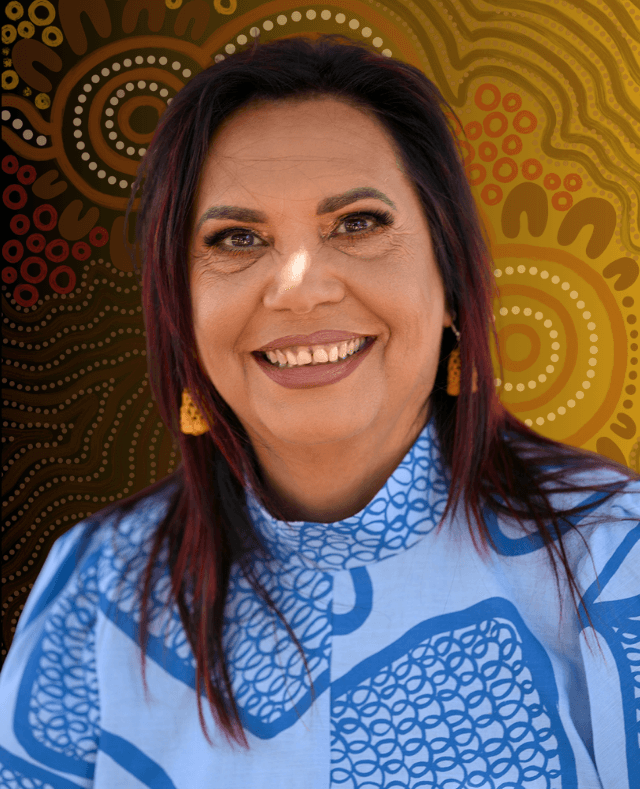
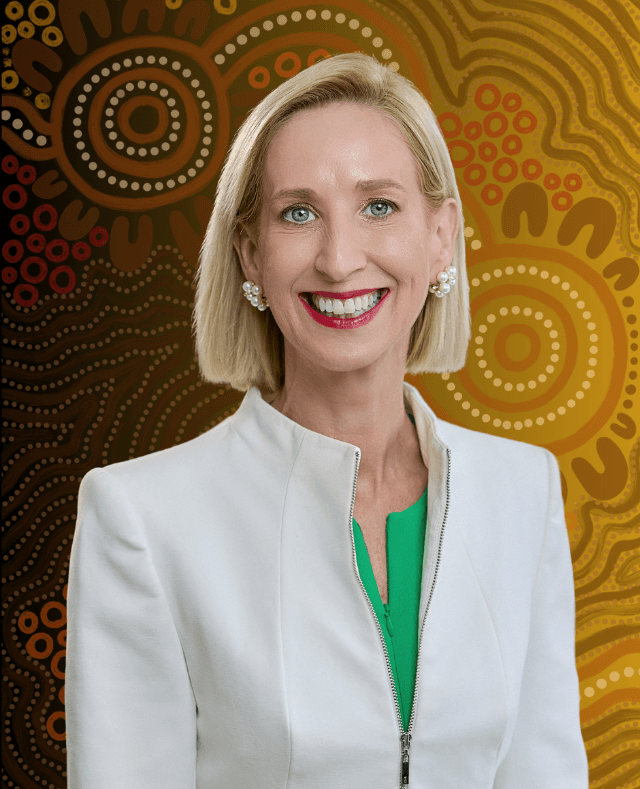
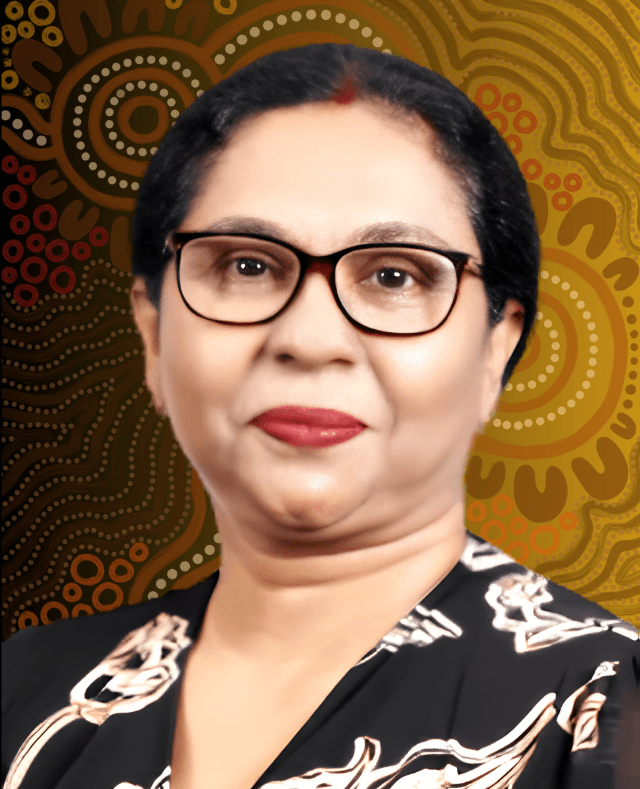
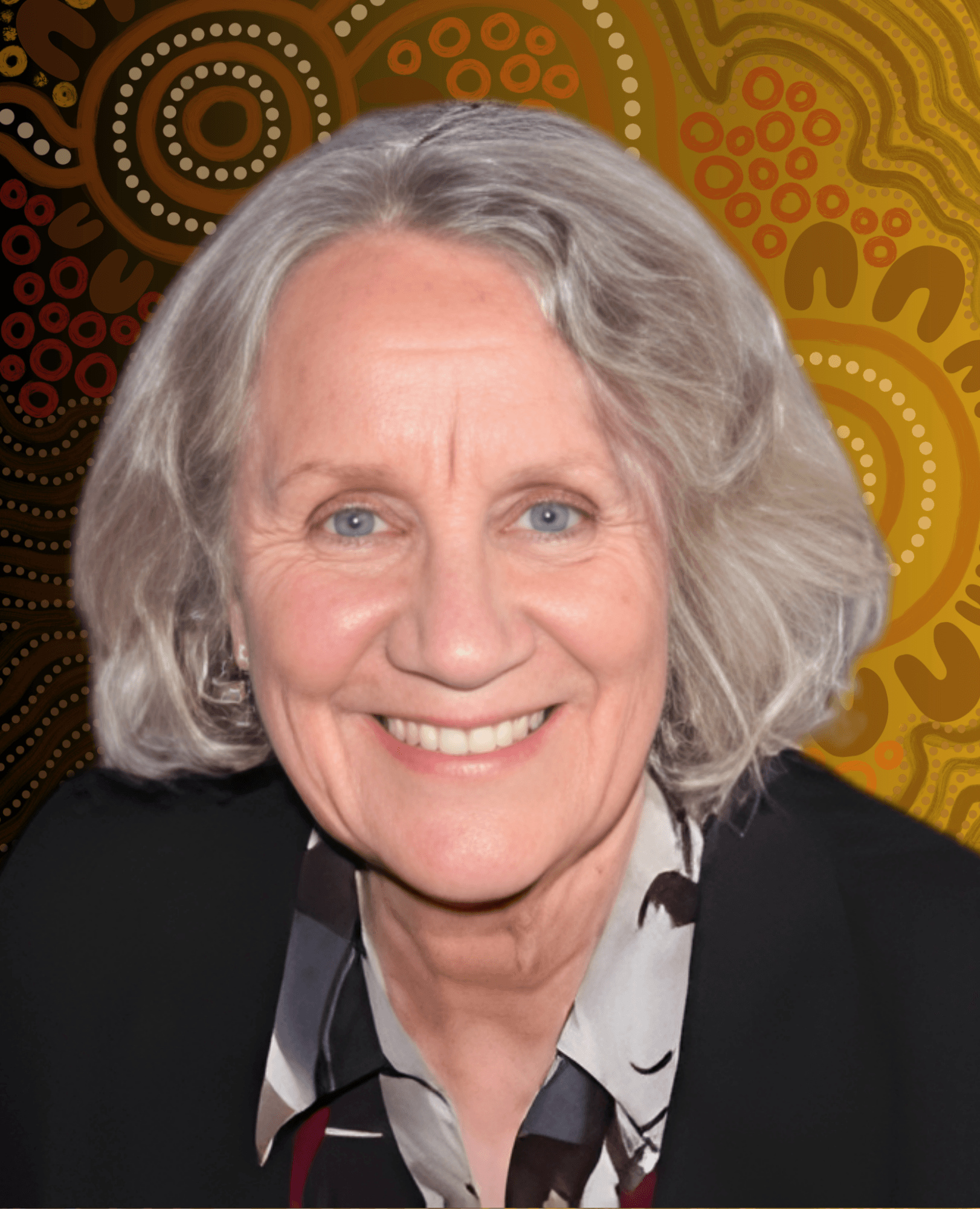
Judy Atkinson

Judy Atkinson

Writer| Educator| Researcher | Professor at The University of New South Wales (UNSW)
Emeritus Professor at The Southern Cross University -Freelance

Emeritus Professor Judy Atkinson is a Jiman woman from Central West Queensland and Bundjalung woman from Northern New South Wales, with Anglo‑Celtic and German heritage. She is internationally recognized for her pioneering work on trauma, violence, and healing in Indigenous communities. Holding a BA from the University of Canberra and a PhD from Queensland University of Technology, she also completed Harvard University’s Program for Refugee Trauma in Global Mental Health. Her landmark book Trauma Trails – Recreating Songlines explores the transgenerational effects of trauma in Indigenous Australia and has become a cornerstone text in the field.

Professor Atkinson has been honored with numerous awards, including the Carrick Neville Bonner Award for curriculum innovation and the Fritz Redlich Memorial Award for Human Rights and Mental Health. In 2019, she was appointed a Member of the Order of Australia (AM) for her services to Indigenous communities, education, and mental health. As founder and patron of We Al‑li, she continues to lead culturally informed trauma‑integrated healing programs, empowering communities to reclaim resilience and wellbeing through Indigenous knowledge and practice.


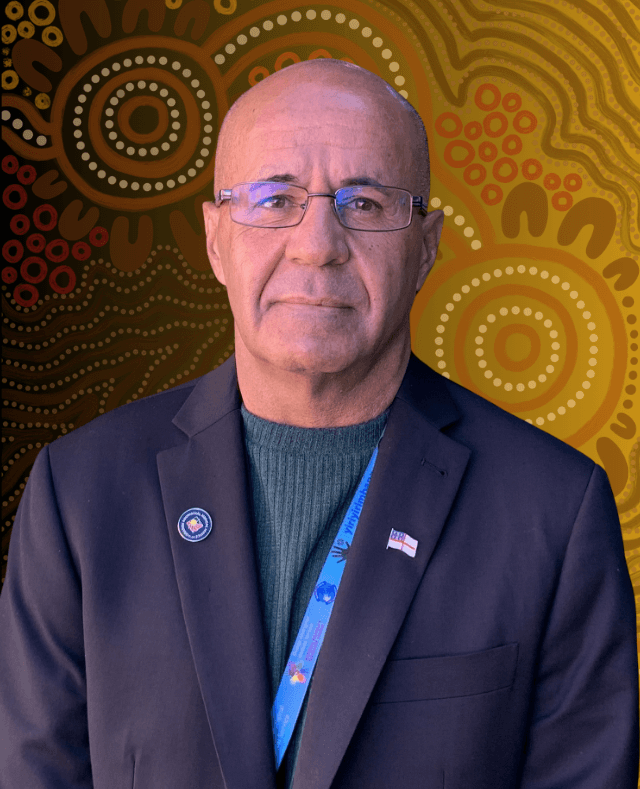
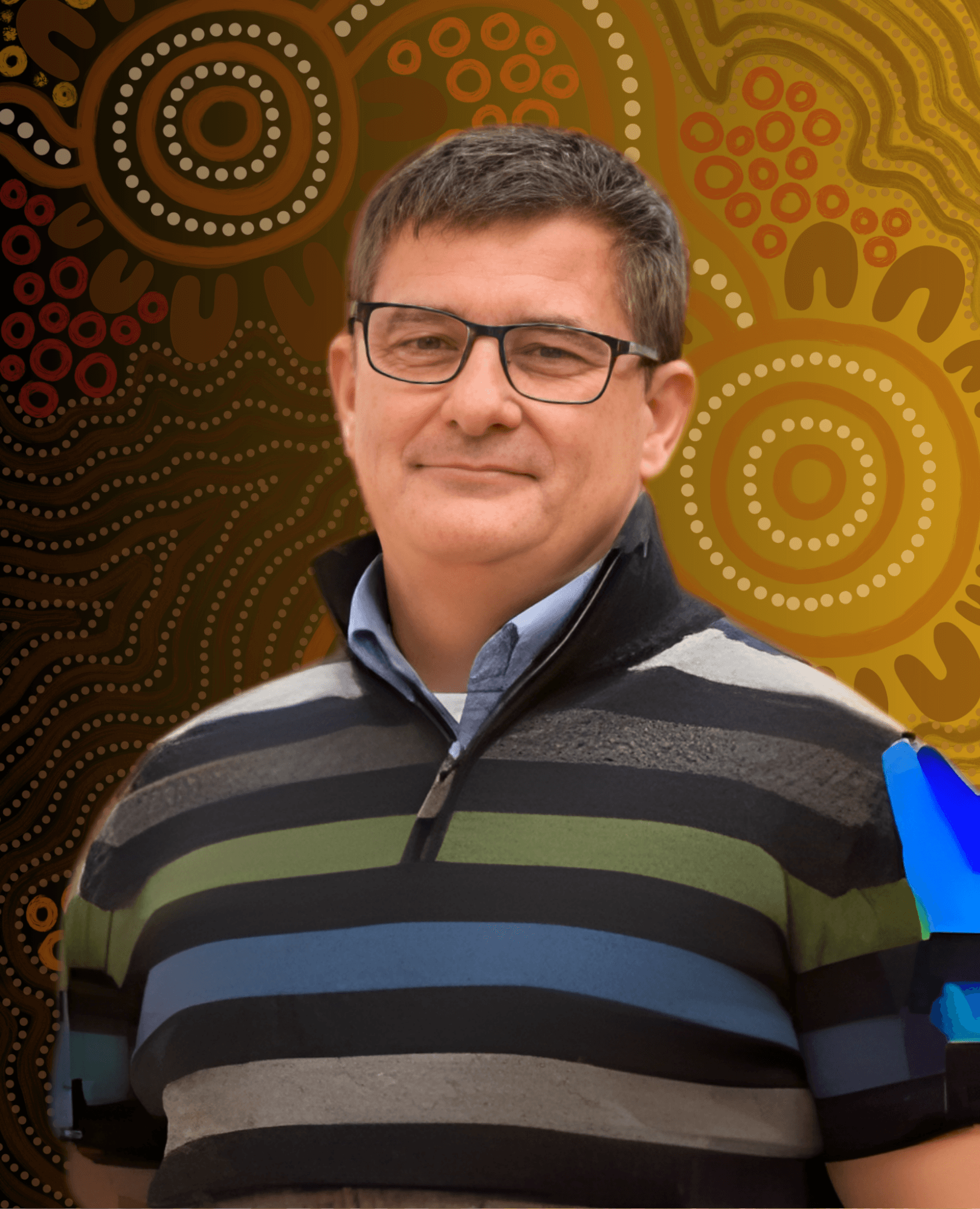
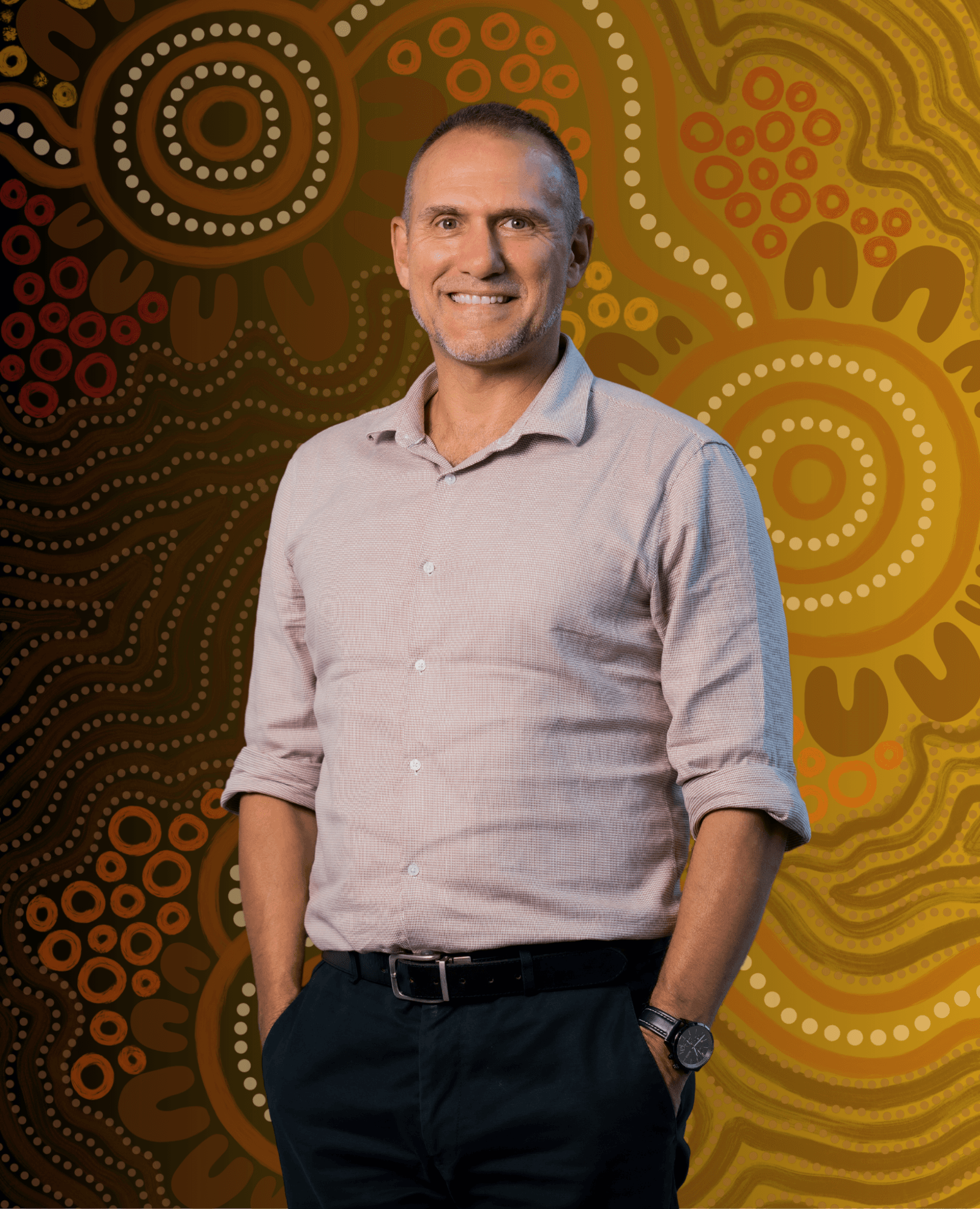
 Dr. Stewart Sutherland

Dr. Stewart Sutherland

Associate Professor and Chair Indigenous Health Framework
ANU School of Medicine and Psychology

Dr. Stewart Sutherland is a proud Wiradjuri man from Wellington, New South Wales, and an Associate Professor at the Australian National University’s School of Medicine and Psychology. He serves as Chair of the Indigenous Health Framework and has worked for more than a decade in Indigenous health, focusing on identity, trauma, and mental health. His PhD research examined the relationship between reconciliation and the social and emotional wellbeing of the Stolen Generations, highlighting the impact of forced removals on Indigenous communities. Stewart’s scholarship has been influential in shaping approaches to Social and Emotional Wellbeing (SEWB), cultural health, and food sovereignty.

Beyond academia, Dr. Sutherland has extensive experience as a project manager in food, health, and SEWB initiatives, and has contributed to national conversations on reconciliation and Indigenous health policy. He has lectured across multiple disciplines, including nursing, veterinary science, and cultural competency, and continues to lead Aboriginal and Torres Strait Islander Health education at ANU. His work bridges rigorous research with community advocacy, making him a respected voice in advancing Indigenous health equity and cultural safety.


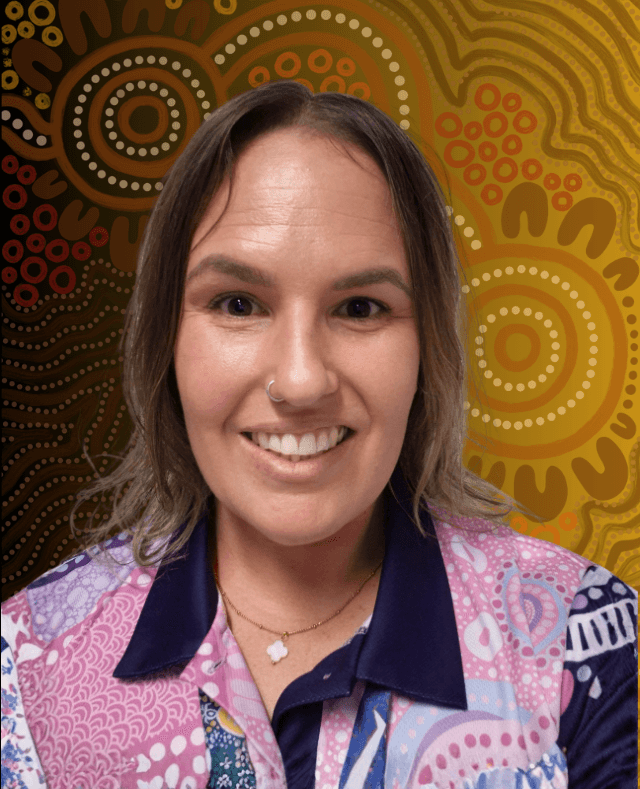
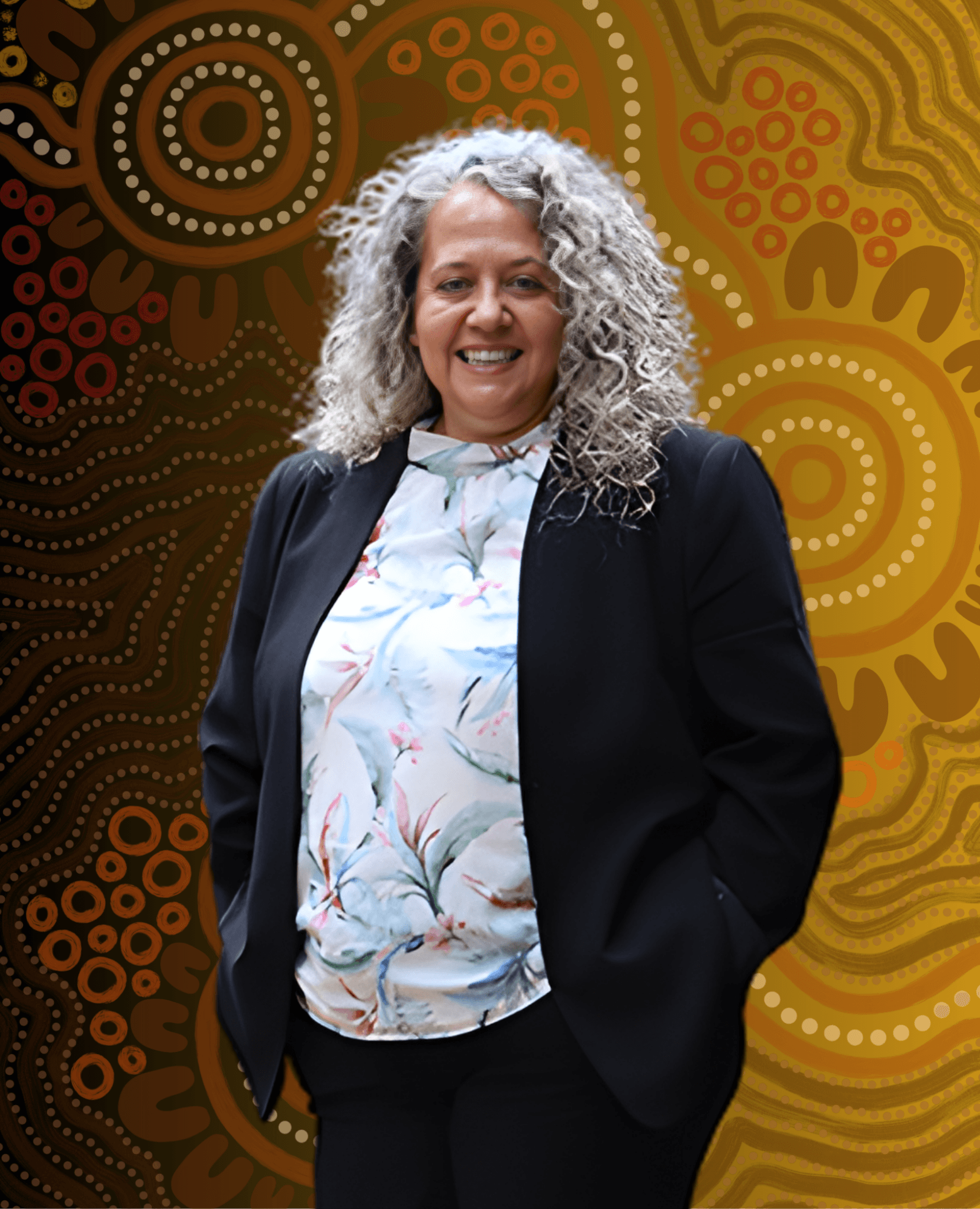
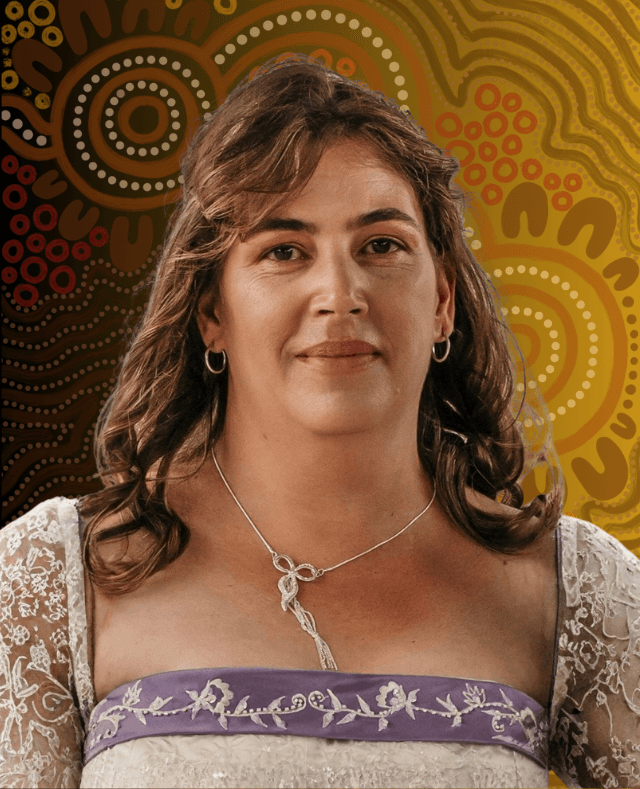
Aunty Bernice Hookey

Aunty Bernice Hookey

Lead Yanalangami Facilitator, Founder and CEO(MZB Empowerment)
Tranby Aboriginal Co-operative

Bernice Hookey’s family lineage traces back to the Waanyi people from the Lower Gulf of Carpentaria, Queensland. She embodies courage despite the fear that occasionally arises. As a solo mother, aunty, sister, cousin, colleague, and friend, she is deeply passionate about challenging the status quo.

An accomplished Lead Facilitator for an Indigenous National Women’s Empowerment program via Tranby, Bernice is also the Founder of MZB Empowerment. She is widely recognized as a Changemaker, Difference Maker, and Cycle Breaker, as well as a published author, mentor, and multi-award winner. Her achievements include being a finalist for national and international awards that celebrate Indigenous Excellence and Leadership.

Bernice has overcome challenges related to disempowerment, feelings of unworthiness, and well-being depreciation, navigating limited opportunities and barriers to self-expression within cultural spaces. Through experiential learning, she has lived these realities firsthand and continues to thrive.

As both a participant and now a Fellow of a globally recognized top 10 leadership program, Bernice has developed invaluable leadership skills that have strengthened her confidence. These skills, combined with her grassroots-led leadership approach, drive her mission to advance generational equity. Above all, she remains a steadfast cheerleader for families and communities, inspiring those around her with her unwavering dedication and vision.


  Adrian Salliego

Adrian Salliego

Trainer, Generation Red Road, Inc.
Native American/Alaskan Native/Indigenous Non-Profit

Adrian Salliego is an enrolled member of the Navajo Tribe. His Maternal clan is Bitterwater and born for the Deerspring Clan. His Mother is from Tuba City, AZ and Father from Cedar Ridge, AZ. Adrian grew up on the Navajo Reservation his whole life. He was raised with the Traditional way of the Navajo people. Adrian surrendered to the disease of addiction on November 3, 2004. He started a new way of life in a 12-step fellowship. Today, Adrian is a productive member of society currently working for Beechtree Diagnostics. He is also a trainer for Generation Red Road working with Carlos Rivera. Adrian has traveled across Turtle Island meeting with many Tribal members to help the people seeking recovery. Adrian lives in Tempe, AZ and continues to work with a sponsor in the fellowship of Narcotics Anonymous. Helping the fellow addict seeking recovery has become a service commitment for Adrian Salliego.


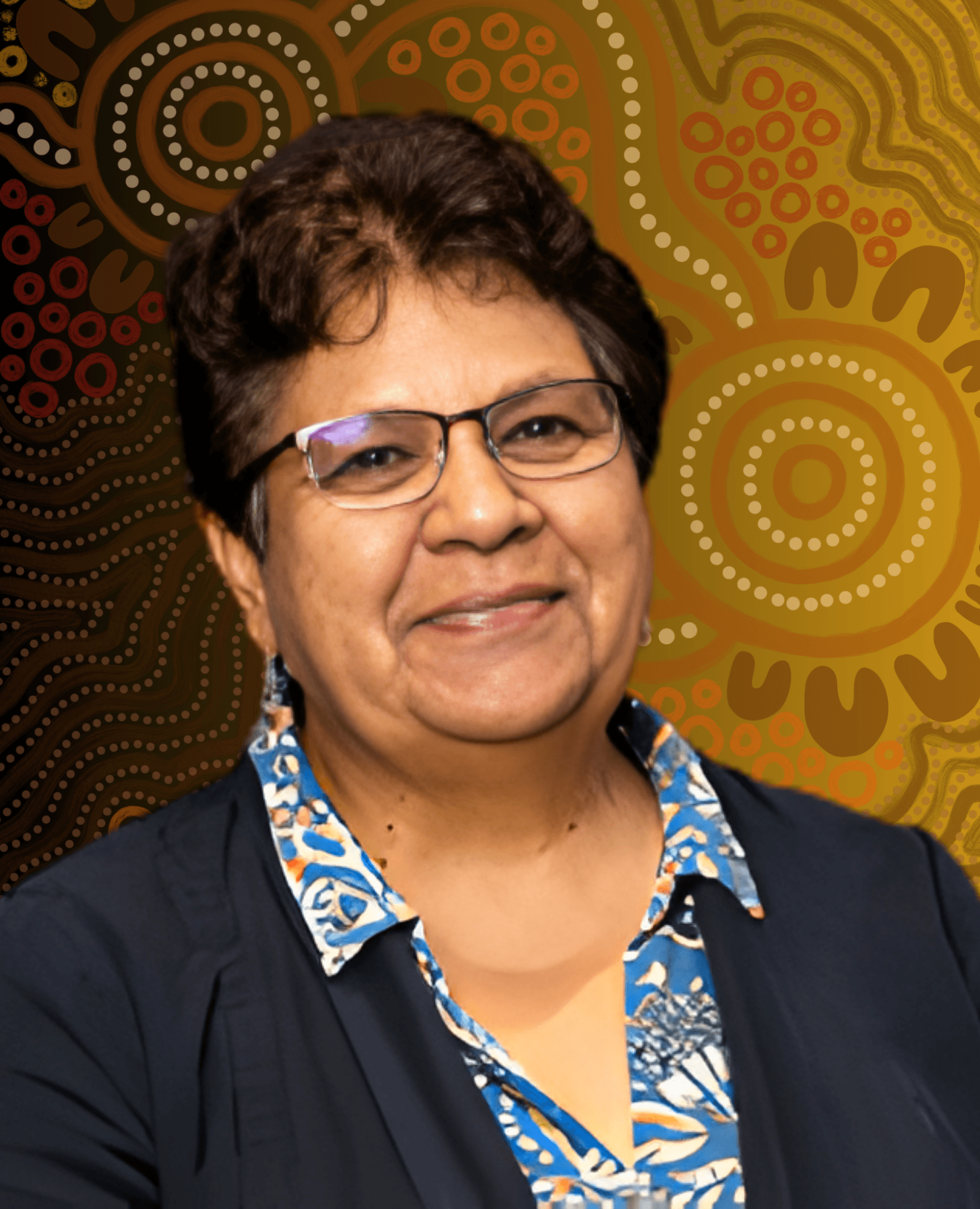
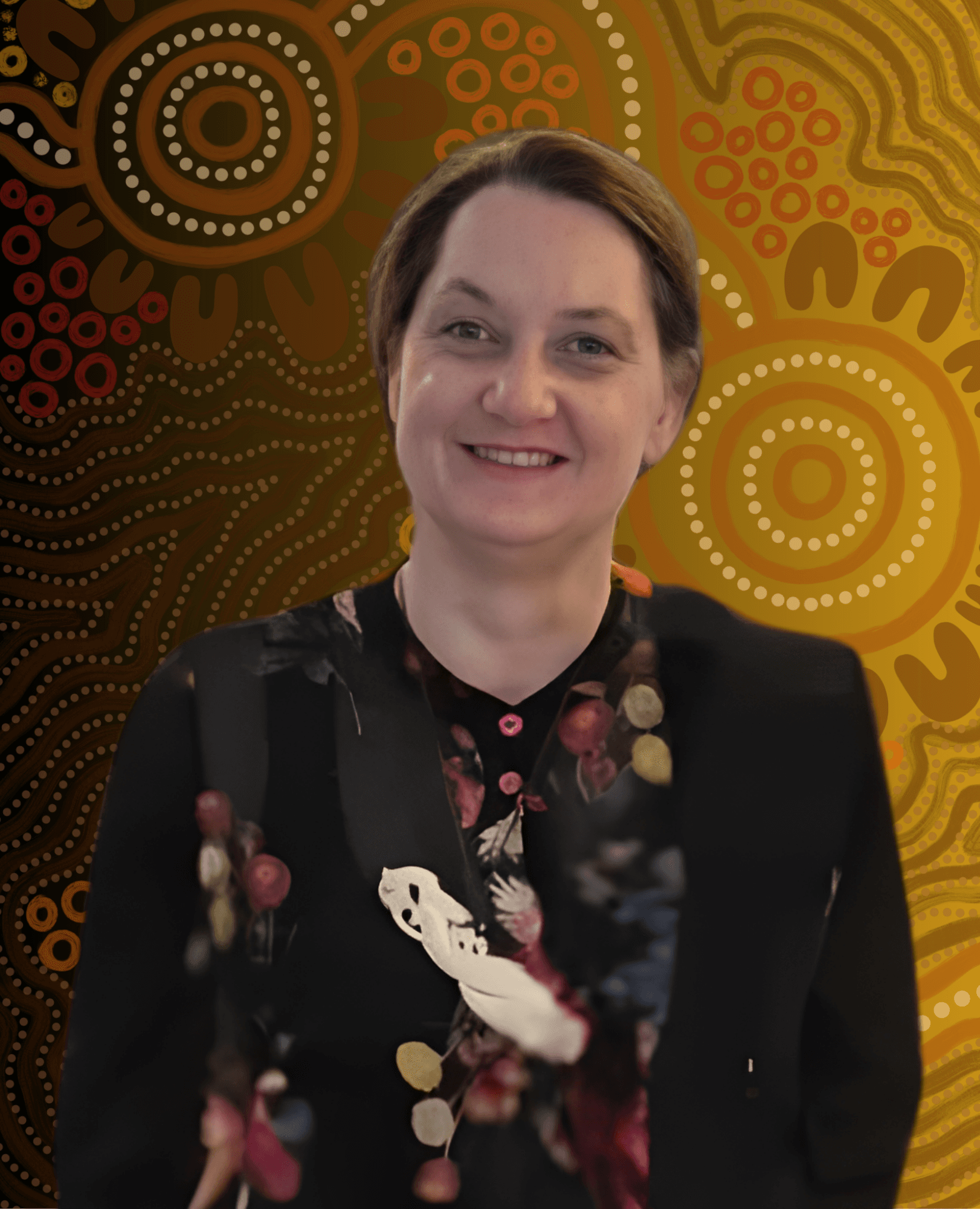
Dr. Jocelyn Jones

Dr. Jocelyn Jones

Associate Professor & Vice‑Chancellor Professoriate Research Fellow at The Edith Cowan University (ECU)
Adjunct Senior Research Fellow at The National Drug Research Institute (NDRI)

Dr. Jocelyn Jones is a proud Noongar woman from Western Australia and a leading advocate for Indigenous health and education. She is currently a Senior Research Fellow at Curtin University, where her work focuses on improving health outcomes for Aboriginal and Torres Strait Islander peoples through culturally safe research and practice. With a background in nursing and public health, Jocelyn has contributed to national projects addressing chronic disease, mental health, and the social determinants of wellbeing. Her scholarship emphasizes the importance of Indigenous leadership in shaping health policy and service delivery.

Beyond academia, Dr. Jones is deeply engaged in community advocacy and capacity building. She has worked extensively to strengthen Indigenous voices in health research, mentoring emerging Aboriginal scholars and collaborating with communities to ensure research reflects lived experience. Her leadership bridges clinical expertise, cultural knowledge, and grassroots advocacy, making her a respected figure in advancing equity and resilience across Indigenous health systems.


Dr Amber Logan

Dr Amber Logan

Health Psychologist
Indigenous Development Specialists NZ

Dr. Amber R. Logan is a traditional Kahungunu Māori wahine, a New Zealand Health Psychologist and Doctoral Fellow in Public Health at Otago University. She teaches health psychology course work at the University of Auckland & Otago University and is well-known in New Zealand for her work in methamphetamine education and community activism. She is a consummate grant writer, health services evaluator and health services program designer. She has presented extensively in Australia, Canada, and the USA at Harvard University, the University of Washington, and to the US Federal Government.


Dr Joseph Stone

Dr Joseph Stone

Clinical Psychologist
Indigenous Development Specialists USA

Dr. Joseph B. Stone, PhD is an Anasaki-pikuni ceremonialist and traditionalist and member of the OKKAN (Sundance), the Last Star Thunder Medicine Pipe and Beaver Lodge. Dr. Stone works at Te Taiwhenua o Heretaunga – a Kaupapa Māori Health Provider; Awhina Whanu Family Services, and the Napier Family Centre all located in Hawkes Bay, New Zealand. He has clinical experience with adult prisoners & corrections and juvenile justice in both New Zealand and USA. He is affiliated with the National Centre on Trauma and Project Making Medicine – Indian Health Service Assessment and Treatment of Child Abuse at Oklahoma State University. He has presented to, and served as consultant to, the U.S. Senate Select Committee on Indian Affairs of Native Youth Suicide. Dr. Stone’s publications include articles on trauma, suicide, and other cultural & behavioural issues.


Dr Raelene Ward

Dr Raelene Ward

Knowledge Broker First Nations Engagement| Chairperson Goolburri Aboriginal Health Advancement |SQNNSW Innovation Hub Aboriginal advisor
One Basin CRC First Nations Director|Lecturer (Indigenous Health) School of Nursing and Midwifery|Aboriginal Researcher

Dr Raelene Ward is a proud Kunja woman from Cunnamulla, Queensland, and an accomplished nurse, academic, and researcher. She holds a Bachelor of Nursing, a Master of Health, and a PhD from the University of Southern Queensland, where her doctoral work focused on Aboriginal suicide. With extensive experience in both hospital and university settings, Dr Ward has dedicated her career to improving health outcomes for Aboriginal and Torres Strait Islander peoples, particularly in the areas of mental health, suicide prevention, and remote health services.

Currently, Dr Ward serves as Knowledge Broker for First Nations Engagement at the Southern Queensland and Northern New South Wales Drought Resilience Adoption and Innovation Hub. She also contributes nationally as First Nations Director with the One Basin CRC and as a member of the Murray–Darling Basin Authority’s First Nations Leadership Group. Her leadership is widely recognised for bridging cultural knowledge with research and policy, ensuring that First Nations voices are central to resilience, wellbeing, and community development initiatives across Australia.


Victoria Sinka

Victoria Sinka

Research Fellow | NHMRC Postgraduate Scholar | Kidney Awareness , Prevention & Early Detection | Indigenous Perspectives | Indigenous Research Methodologies
Poche Centre for Indigenous Health

Victoria Sinka is an emerging social epidemiologist specializing in Aboriginal health across Australia and internationally. She is a PhD candidate and Research Fellow with the ARDAC Kidney Health Study, which investigates chronic kidney disease in Aboriginal children and works toward prevention through culturally safe approaches. Her expertise spans Indigenous health promotion, participatory action research, systematic reviews, and cohort studies, with a strong focus on maternal health, social and emotional wellbeing, and the early prevention of chronic disease. She has also worked as a Research Assistant at the University of Sydney’s Centre for Kidney Research, contributing to projects that unite clinical science with Indigenous knowledge.

Beyond her academic work, Victoria is recognized as a strategic thinker and planner who applies an Indigenous lens to public health research. She is committed to strengthening Aboriginal and Torres Strait Islander population health by addressing social and cultural determinants of wellbeing. Her contributions highlight the importance of data linkage and community‑driven research in shaping equitable health outcomes. By combining rigorous epidemiological methods with cultural protocols, she continues to advance Indigenous health research and inspire collaborative solutions for future generations.


Odette Pearson

Odette Pearson

Co-Lead Aboriginal Health Equity Theme
South Australian Health and Medical Research Institute (SAMRHI)

Professor Odette Pearson is a Kuku Yalanji/Torres Strait Islander woman and Co‑Theme Leader of the Wardliparingga Aboriginal Health Equity Theme at the South Australian Health and Medical Research Institute (SAHMRI). She also holds an adjunct professorship with the University of Adelaide’s School of Medicine. With qualifications in health sciences, research methods, and health economics, Professor Pearson brings a unique skillset shaped by extensive post‑doctoral training in Indigenous health policy, health systems, and inequity. Her research focuses on understanding how institutional policies and practices drive health and social inequities experienced by Aboriginal and Torres Strait Islander peoples.

Beyond her leadership role at SAHMRI, Professor Pearson leads independent programs of research and is deeply committed to building the capacity of the next generation of Aboriginal and Torres Strait Islander researchers. She serves as Co‑Chair of the Aboriginal Human Research Health Ethics Committee of South Australia and is the first Aboriginal board member of the Adelaide Fringe. Her work has highlighted pressing health challenges, including the prevalence of type 2 diabetes among Aboriginal and Torres Strait Islander communities, and she continues to advocate for culturally safe, community‑driven approaches to health equity.

Conference Agenda

Note

This conference agenda may change without prior notice.

8:30 AM
Registrations and Networking – Welcome participants and allow informal connection with service providers and exhibitors
9:00 AM
Master of Ceremony: Welcome & Safety Announcement
9:15 AM
Welcome to Country & Traditional Performances – Begin the day grounded in culture, Country, and spiritual connection
9:30 AM
Formal Opening Address – Setting intentions for holistic health, community leadership, and empowerment
9:45 AM
Keynote: Truth Telling in Health – Understanding the Historical Context
10:30 AM – 11:00 AM
Morning Tea & Networking
11:00 AM
Keynote: Closing the Gap – What’s Working and What Still Needs to Change
11:45 AM
Keynote: Honoring Our Stories & Understanding the Gaps
12:30 PM
Lunch & Networking with Service Providers/Exhibitors
1:30 PM

Breakout Sessions

Workshop Session A – Indigenous Voices on the Frontline: Stories from health workers, midwives, and community advocates
Workshop Session B – Mental Health and Healing: Breaking the Cycle of Trauma
Workshop Session C – Holistic Approaches to Chronic Disease Management
Workshop Session D – Innovations in Indigenous Health: From Community to Policy
2:15 PM

Breakout Sessions

Workshop Session A – Traditional Healing Practices & Connection to Country
Workshop Session B – The Role of First Nations Researchers in Closing the Gap
Workshop Session C – Working Towards Better Outcomes in Diabetes in Remote Communities
Workshop Session D – Self-Determination and Community-Led Health Programs
3:00 PM
Afternoon Tea & Networking
3:30 PM
Keynote: Closing the Gap – Lessons Learned and Pathways Forward
4:15 PM
Interactive Session: Yarning Circle – Storytelling, panel, and Q&A with community members
6:30 PM
Conference Networking Dinner – Strengthening connections, celebrating culture, and building relationships

Registration

Early Bird Discount Available!

Register early to save on registration fees. Pricing changes monthly!

Please note that registrations are set out in an affordable way for organisations, which changes on a monthly basis. Hence the earlier you register, the more savings for your organisation. Registration fees include all-day access to the event, available conference papers, daily lunch, and refreshments for registered delegates only. Fees do not include travel costs or accommodation.

Important Payment Terms

Registration fees must be received within 7 DAYS from being issued an invoice. Otherwise, bookings will not be considered.

Let's Connect

We'd love to hear from you. Whether you have a question about our conferences, registration, or anything else, our team is ready to answer all your questions.

Contact us ICS

Indigenous Conference Services

ICS Australia Pty Ltd

Email

admin@icsconferences.org

We typically respond within 24-48 hours

Mailing Address

8 Kiwi Court Point Vernon QLD 4655

Send us a message

Fill out the form below and we'll get back to you as soon as possible.

Maximum 5000 characters

Ready to join us?

Register Now

Become Part of ICS

Keynotes

Keynotes

Empower others with your stories, insights, and wisdom, inspiring a world where Indigenous culture is celebrated and respected.

Become a Speaker
Exhibitions

Exhibitions

Use your platform to create awareness about vital Indigenous causes and issues, inspiring attendees to become advocates for positive change.

Become an Exhibitor
Sponsorship

Sponsorship

Associate your brand with a cause that matters, gaining valuable exposure to a diverse and engaged audience, both locally and globally.

Become a Sponsor
Australian Conference by Indigenous Organizers

Join Our Conference

Subscribe to our mailing list and stay informed about the latest developments in the world of ICS conferences.