THE CONFERENCE
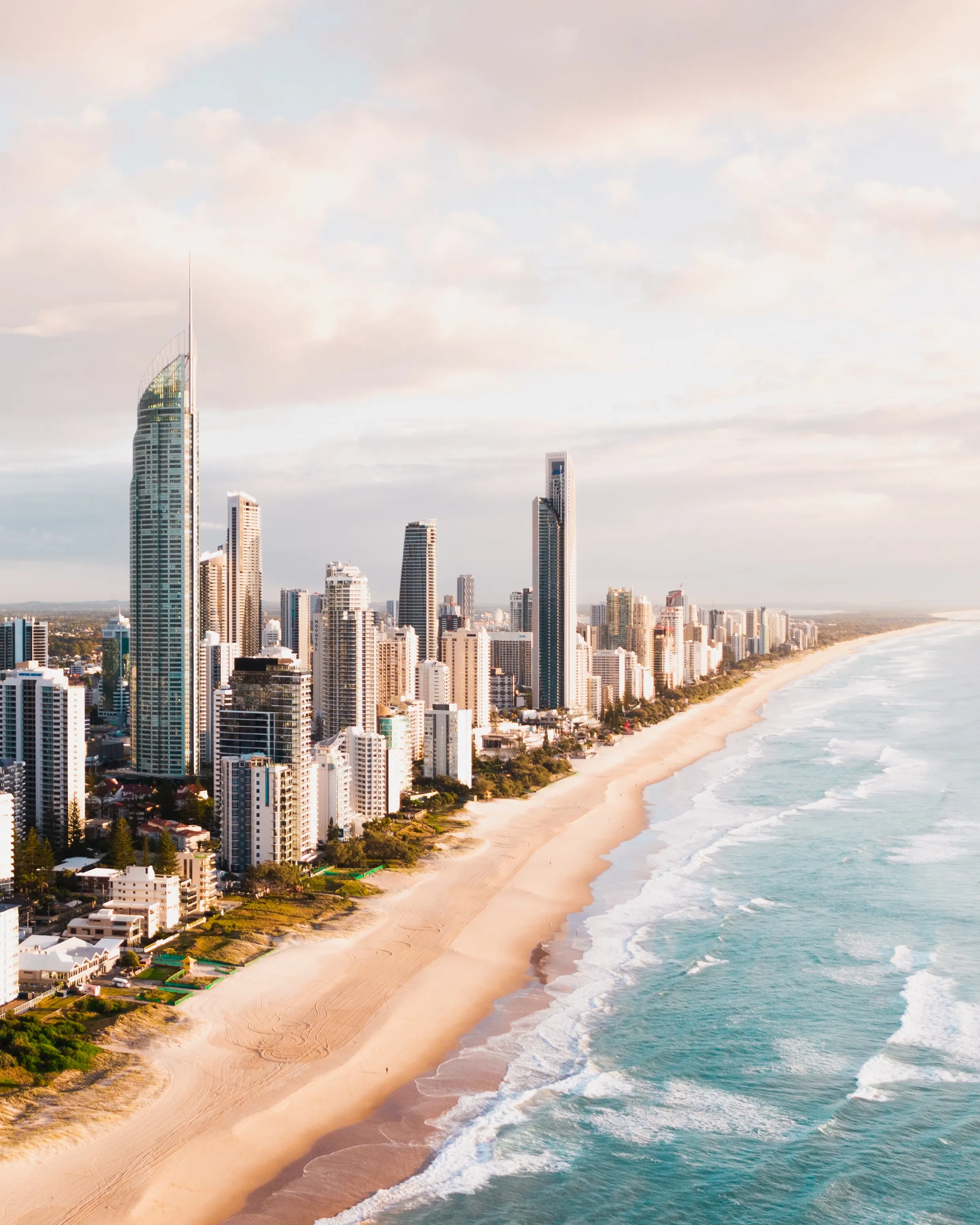
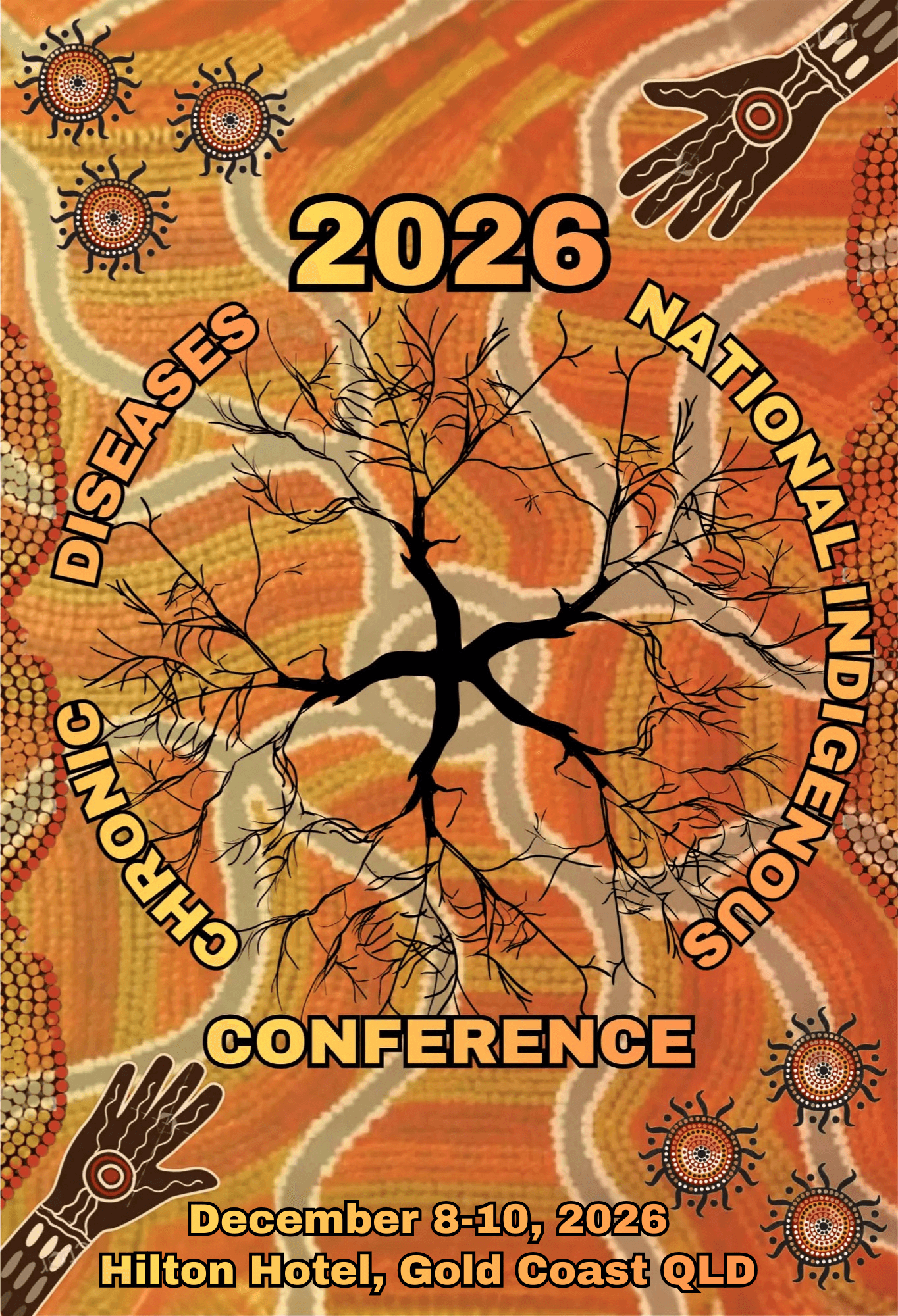
The 2026 National Indigenous Chronic Diseases Conference is scheduled to be held at the Hilton Hotel on the Gold Coast QLD on December 8 - 10, 2026. The conference is envisaged to be a powerful gathering of First Nations Elders, community leaders, healthcare professionals, researchers, and community controlled organisation staff and advocates united in their mission to transform the future of chronic disease care for Indigenous peoples. Over the past ten years, the conference has attracted thousands of attendees bringing together representatives from all states and territories governments, First Nations medical services and mainstream health sectors, community-controlled organisations, First Nations communities, allied health professionals and non-government organisations, primary health networks and research institutions. Set against the rich cultural backdrop of the Northern Territory, this landmark event will spotlight innovative, culturally safe, and community-led strategies to address the disproportionate burden of chronic diseases such as diabetes, cardiovascular conditions, and kidney disease in Indigenous communities. Through keynote presentations, knowledge-sharing forums, and collaborative workshops, the conference will amplify Indigenous voices, promote self-determination in health, and drive systemic change grounded in respect, resilience, and cultural strength. This is more than a conference — it’s a movement toward health equity and lasting healing for generations to come.
THE CONFERENCE AIMS & PHILOSOPHY
The 2026 National Indigenous Chronic Disease Management Conference is grounded in the belief that long-term health and healing for Aboriginal and Torres Strait Islander peoples must honour cultural strengths, Indigenous leadership, and self-determination. Embracing a holistic understanding of wellbeing that connects mind, body, spirit, and culture, the conference champions respectful partnerships and culturally safe systems of care. Its purpose is to support healing not only for individuals, but for families, communities, and future generations.
This conference serves as a culturally safe and empowering movement that amplifies First Nations voices, celebrates community-led innovation, and challenges the systemic barriers shaping chronic disease outcomes. By bringing together Elders, frontline workers, health professionals, researchers, and organisations across all sectors, it strengthens partnerships, shares Indigenous knowledge, and promotes holistic, community-driven strategies for preventing and managing chronic conditions. With powerful speakers, meaningful workshops, and culturally grounded practice, the 2026 conference aims to inspire action, elevate resilience, and contribute to the ongoing journey toward health equity and self-determination for all First Nations peoples.
THE CONFERENCE THEME
The 2026 National Indigenous Chronic Disease Conference is grounded in the principle that “Prevention is Better than Cure,” calling for a united, culturally strong response to the chronic conditions most impacting Aboriginal and Torres Strait Islander peoples—diabetes, cancer, cardiovascular disease, kidney disease, and respiratory illness. The conference places culture, community leadership, and connection at the centre of prevention and care and focuses on three powerful pillars:
Cultural Intelligence in Care – Embedding Indigenous knowledge, cultural practices, and leadership across the health system to ensure care that is holistic, culturally safe, and community-driven.
Prevention Through Empowerment – Strengthening community-led prevention through improved food access, physical activity, connection to Country, culturally informed health literacy, and early intervention that supports lifelong wellbeing.
Healing Systems, Healing Lives – Breaking down systemic barriers through workforce development, stronger integration between mainstream and community-controlled services, policy reform, data sovereignty, and community-led research—while showcasing local innovations already transforming First Nations health.
By elevating grassroots success stories and culturally informed models of practice, the event aims to reshape how chronic disease is understood, managed, and prevented across First Nations communities affirming a whole-person, whole-community, whole-system approach towards a future where Indigenous peoples lead the way in creating healthier, stronger generations.
WHO SHOULD ATTEND
The 2026 National Indigenous Chronic Disease Management Conference is essential for a wide range of professionals and community members dedicated to improving health outcomes for Indigenous populations. Attendees should include but not limited to:
First Nations community leaders, Elders, and people with lived experience of chronic disease
Indigenous health workers and community-controlled health organisation staff
Healthcare providers including doctors, nurses, Aboriginal Health Practitioners, carers and chronic disease coordinators
Researchers and academics working in Indigenous health, chronic disease, or community wellbeing
Policy-makers and advisors shaping health strategies, programs, or reforms
Government and non-government organisation representatives involved in chronic disease prevention and management
Allied health professionals such as dietitians, physiotherapists, social workers, psychologists, and health promotion officers
Educators and students seeking to build capability in culturally safe, community-led healthcare
Anyone committed to advancing equitable, culturally informed, and sustainable healthcare for Aboriginal and Torres Strait Islander peoples
YOUR INVITATION
We wish to invite Indigenous and non-Indigenous people from Australia and throughout, to attend the conference to share and gather information. We also extend an invitation to participants to join us at the conference dinner in a relaxed atmosphere. To ensure that delegates attend and participate in the conference experience, it is important to note that to show accountability of delegates in meeting their obligation; each delegate will receive a Certificate of Attendance only when they attend 85% of all the conference sessions. In addition, at the end of the conference, delegates will receive a copy of all papers & presentations presented at the conference through Dropbox.